
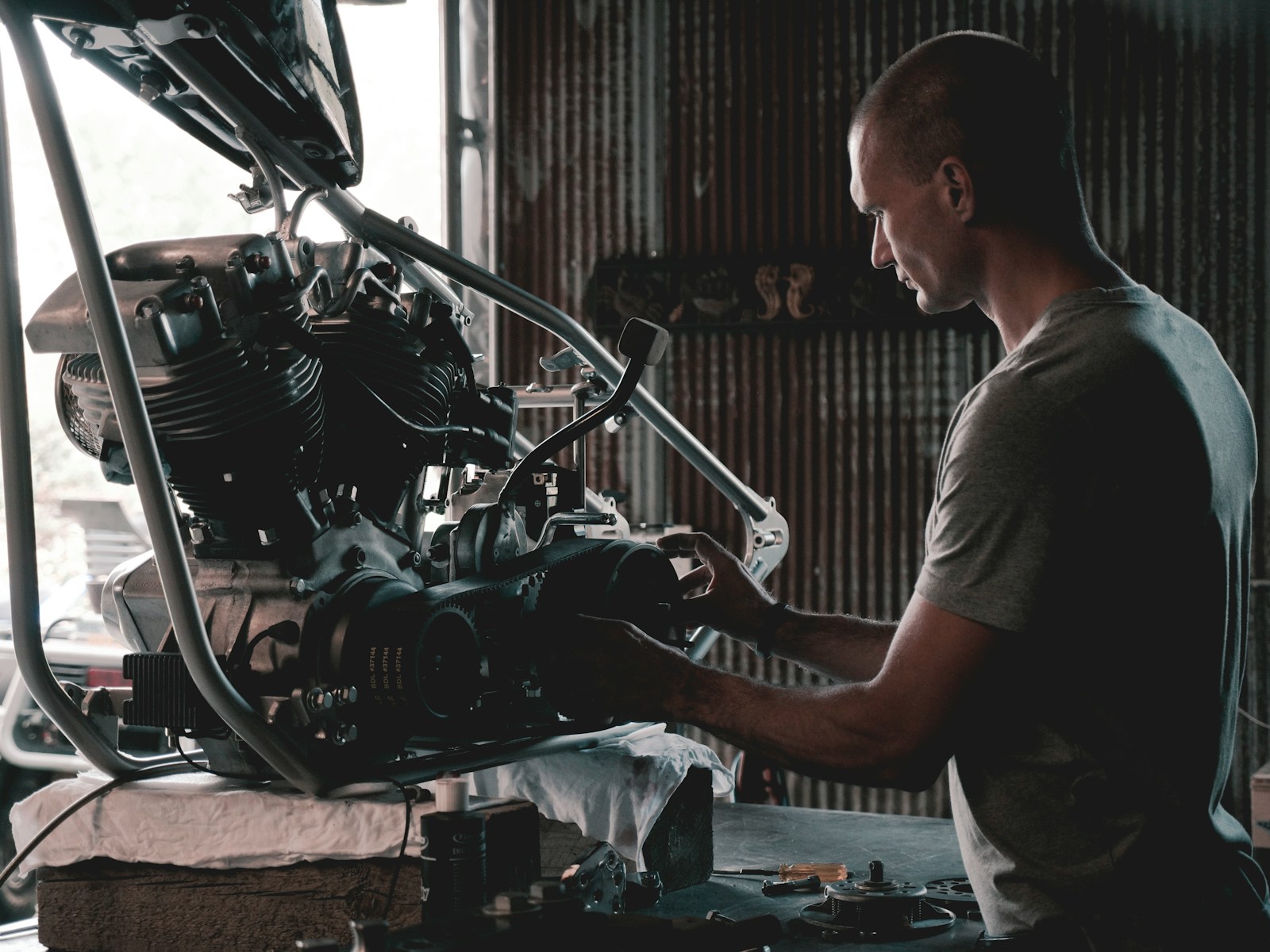

Idling used to feel like a harmless habit, a way to keep the cab warm or the PTO spinning without thinking twice. Now, mechanics are warning that some automakers treat those parked engine hours almost like hidden mileage, and in extreme cases they can use that data to deny warranty coverage. As connected vehicles log every second the engine runs, the gap between what drivers think is “light use” and what manufacturers see in their records is widening fast.
For fleets and everyday owners alike, the risk is not theoretical. Warranty guides, fleet advisories, and even viral social clips are spelling out the same message: excessive idling can be interpreted as abuse, especially when it pushes engine hours far beyond what the odometer suggests. The result can be a nasty surprise when a major repair collides with a fine-print exclusion.
How Idling Turns Into “Hidden” Wear
Mechanics who work with modern trucks say the biggest misconception is that only miles matter. In reality, long periods of idling rack up engine hours that translate into real wear, even while the vehicle is stationary. Industry guidance on excessive idling notes that manufacturers can look at those hours and treat them as equivalent to thousands of extra miles of use, especially on engines that spend their lives running but not rolling.
That disconnect is magnified on work trucks that power auxiliary equipment. When a mechanic warns a customer that their warranty is at risk, they are often looking at vehicles that spend long days running a PTO at elevated rpm, which increases fuel consumption and accelerates wear compared with a lightly driven commuter car. Fleet-focused analysis points out that, also, when running, the application may require higher engine speed, which further skews the relationship between odometer miles and actual engine usage.
What Automakers Put in the Fine Print
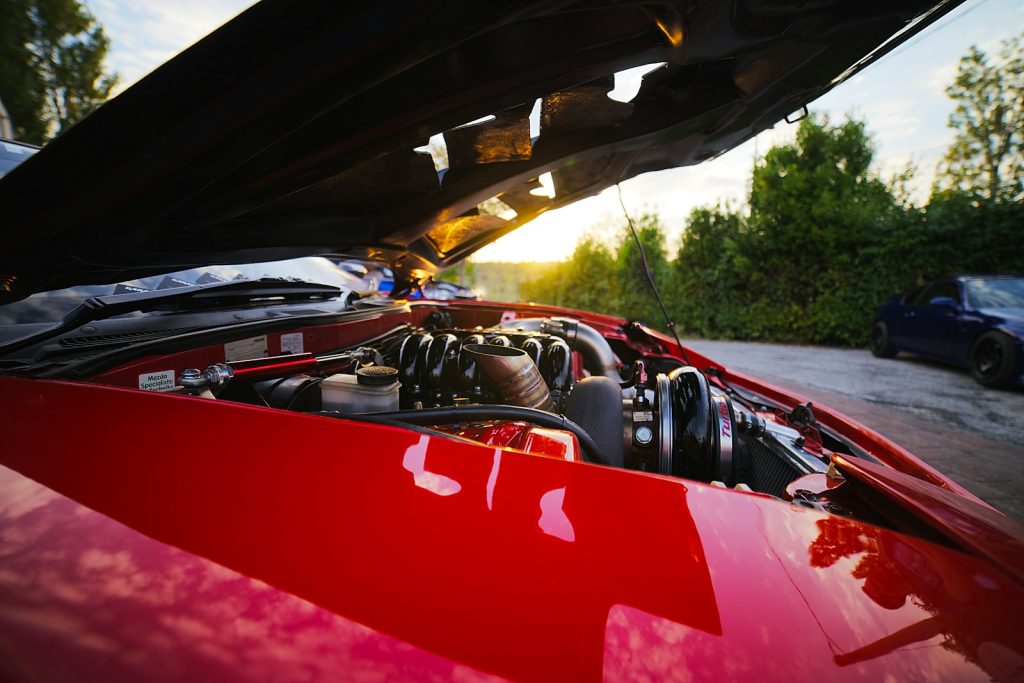
Automakers rarely advertise idling limits in big type, but the expectations are buried in warranty language and fleet bulletins. Internal guidance shared with school and municipal buyers, for example, highlights how Ford warranty coverage can hinge on whether vehicles are used in severe-duty conditions, a category that often includes extended idling, heavy PTO work, and stop‑and‑go routes. The official 2026 Model Year spells out how certain extended protections stay with the vehicle when it is sold, but it also makes clear that coverage depends on following prescribed maintenance and operating within defined use cases.
Other manufacturers are leaning on long powertrain coverage as a selling point, which makes the stakes of any exclusion even higher. The RAM Powertrain Limited Warranty now extends coverage to an incredible 10 years or 100,000 miles, a figure that is echoed in broader announcements that a 10‑year/100,000-mile powertrain warranty covers Ram 1500, 2500, and 3500 models. Regional dealers are promoting that 2026 Ram Trucks Now by a 10‑Year/100,000-Mile Powertrain Warranty, while also flagging that terms and restrictions still apply. For owners, the message is clear: generous coverage does not erase the obligation to operate and maintain the truck within the manufacturer’s rules.
Data, Documentation, and How Drivers Lose Coverage
Behind the service counter, the conversation about idling is no longer hypothetical because the vehicle itself is the witness. A widely shared clip titled “5 Mistakes That Can Void Your Car Warranty” hammers home that, for anyone who needs to know, Modern cars track everything you do, and when you bring your car in for repairs, the data gets pulled. That telemetry includes engine hours, idle time, and high‑rpm operation, which can all be compared against the odometer to spot patterns that look like abuse.
Suppliers that work directly with fleets warn that the problem is not just the hours, but how they are recorded and maintained. One analysis of How Idling Affects describes “The Sneaky Thing About Idle Engine Hours,” noting that an OEM warranty may specify a certain number of operating hours or a maintenance schedule tied to those hours, not just miles. Separate guidance on sloppy documentation warns that excessive engine hour usage creates wear and tear, shortens engine life, and demands more frequent preventive maintenance, and that failing to prove that schedule has been followed can void warranty and post‑warranty goodwill. For mechanics on the front line, that combination of logged data and incomplete records is exactly what turns “too much idling” from a bad habit into a very expensive mistake.
More from Wilder Media Group: