
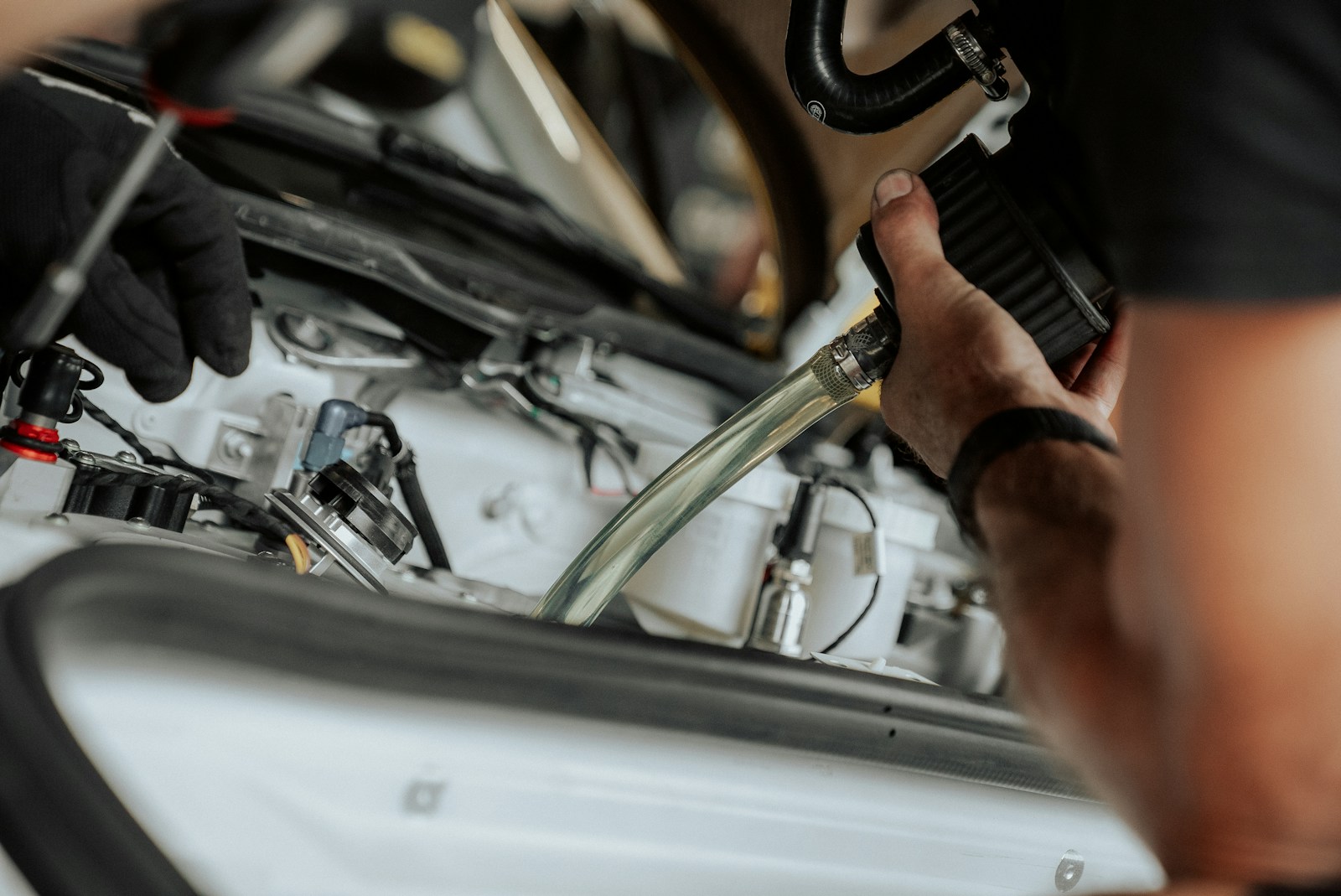

So, you’ve heard it before: “You need to change your oil every 3,000 miles.” It’s like the mantra of car owners everywhere, right? You might even feel a slight twinge of panic when you hit that mileage mark, as if your car will spontaneously combust if you don’t rush to the nearest garage. But here’s the kicker: mechanics are finally spilling the beans on this long-standing myth, and it might just change the way you think about car maintenance.
The 3,000-Mile Rule: A Myth Buster’s Dream

Let’s face it; that 3,000-mile oil change rule has been drilled into our heads for decades. It’s become a sort of car care gospel. But as it turns out, this old adage isn’t exactly based on the latest technology or advancements in engine design. Many mechanics are now saying that the frequency of oil changes can be stretched much further, depending on your car and driving habits.
Modern engines and high-quality oils have come a long way in the last few years. Most manufacturers are now recommending oil changes every 5,000 to 7,500 miles, and some even suggest 10,000 miles or more. Yes, you read that right—your engine might be just fine waiting a bit longer between oil changes, meaning you can kick back and relax instead of racing to the shop every few months.
What’s Really Going On Under the Hood?
So, why the sudden shift in advice? Well, it boils down to advancements in technology and the type of oil being used. Synthetic oils are now the norm, and they offer better protection and longer-lasting performance than the conventional blends your granddad might have used. These oils can withstand higher temperatures and maintain their viscosity longer, which means they’re doing a better job of keeping your engine happy.
Of course, this doesn’t mean you should throw caution to the wind. It’s still important to check your oil regularly, and if you notice it’s getting low or dirty, then it’s time to change it, regardless of mileage. Think of it like a relationship—you wouldn’t ignore signs of trouble, right? Keep an eye on that dipstick, and you’ll be golden.
Driving Habits Matter More Than You Think
Another thing to consider is your driving habits. If you’re mainly commuting in stop-and-go traffic or taking short trips, your oil might break down faster. But if you’re cruising on the highway or driving longer distances, your oil can hold up much better. It’s kind of like how some people age like fine wine, while others… well, let’s just say they’re more like milk left out on a hot day.
So, if you’re driving primarily in more forgiving conditions, you might not need to stick to that 3,000-mile rule. Just keep an ear out for any unusual sounds from your engine or dashboard lights that might signal a problem. Your car will let you know when it’s time to pay attention.
What Do Mechanics Say?
We chatted with a few friendly mechanics to get their take on this myth. Mike, a seasoned mechanic from the local shop, chuckled when we brought up the 3,000-mile rule. “It’s more about being proactive than reactive,” he said. “If you’re taking care of your car and using good oil, you can go a lot longer without changing it.”
Then there’s Sarah, who runs a family-owned garage. She emphasized the importance of following your manufacturer’s recommendations. “Every car is different, and they all have their quirks. Always check the owner’s manual,” she advised, adding a wink. “And remember, you can always ask your mechanic if you’re unsure.”
Final Thoughts: Trust Your Gut (and Your Mechanic)
At the end of the day, trusting your gut and having a good relationship with your mechanic is key. They can give you the lowdown on your specific vehicle’s needs. And while it’s nice to have a guideline like the 3,000-mile rule, it’s not one-size-fits-all. Every car is unique, just like its owner.
So, the next time you start to feel that little twinge of anxiety as you approach the 3,000-mile mark, take a breath. Maybe grab a coffee instead of rushing to the garage. Your car might just thank you for it—after all, a well-cared-for engine runs smoother and happier, and that’s exactly what we all want, right?
In the end, it’s about maintaining a healthy relationship with your vehicle. Understand its needs, listen to the experts, and don’t fall into the trap of outdated myths. Happy driving!