
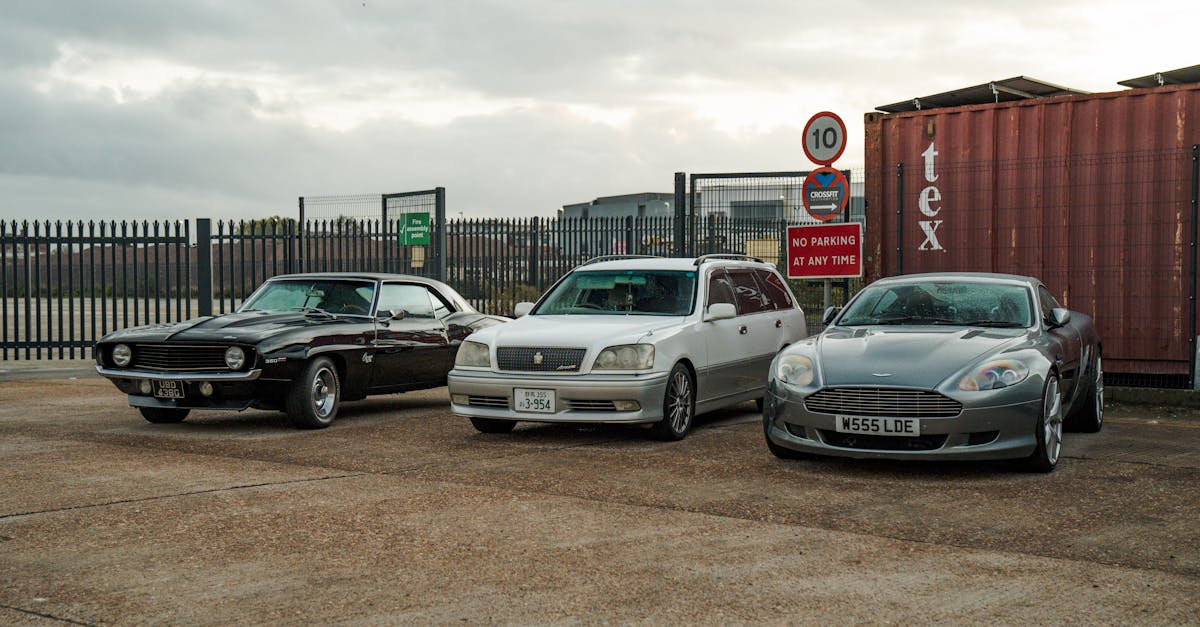

As new car prices continue to soar, many drivers are opting to hold onto their aging vehicles rather than trading them in for something shiny and new. This trend reflects not just economic factors but also a growing appreciation for the cars that have served them well over the years. Here are some reasons why keeping an older car makes sense in today’s market.
1. Rising New Car Prices
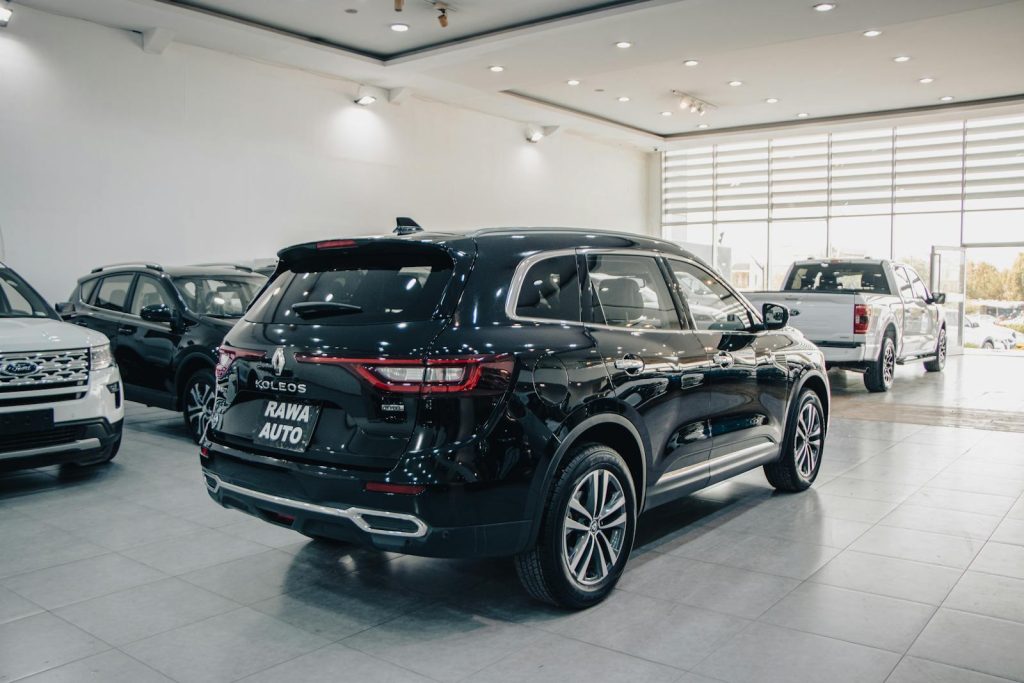
The automotive market is experiencing unprecedented price hikes, making new vehicles less accessible for average consumers. With the average price of a new car surpassing $40,000, many drivers find it more reasonable to maintain their existing vehicles. This economic landscape fosters a sense of practicality, prompting owners to invest in repairs rather than face hefty monthly payments.
Moreover, the financial strain of financing a new car can be daunting. By keeping their current vehicle, drivers can allocate funds towards necessary repairs and upgrades, ensuring their car remains reliable without breaking the bank. This approach often leads to better overall financial health.
2. Reliability of Older Models
Many older cars have proven their durability and reliability over the years. Drivers often find that their aging vehicles have withstood the test of time, requiring fewer unexpected repairs than newer models that may come with hidden issues. Familiarity with their car’s quirks can also lead to more effective maintenance.
Additionally, older models tend to have simpler technology, making them easier to repair for those who are mechanically inclined. This simplicity can be a huge advantage, allowing owners to perform more maintenance tasks themselves, further extending the life of their vehicle.
3. Lower Insurance Costs
Another financial benefit of keeping an older car is the reduced cost of insurance. With newer vehicles often costing more to insure due to their value and advanced safety features, older cars typically come with lower premiums. This reduction in insurance costs can add up significantly over time, making it easier for drivers to justify keeping their current vehicle.
Moreover, many older cars fall into a category where liability coverage is sufficient, further lowering the overall cost. This makes maintaining an older vehicle not only a practical choice but also a financially savvy one.
4. Environmental Considerations
Keeping an aging car can also be seen as an environmentally responsible choice. Manufacturing new vehicles requires substantial resources and energy, contributing to carbon emissions. By retaining and maintaining an existing car, drivers can minimize their carbon footprint while still enjoying the benefits of personal transportation.
Furthermore, many older cars can be upgraded with aftermarket parts or modifications that enhance fuel efficiency, allowing drivers to enjoy greener driving without the need for a new vehicle. This eco-friendly approach aligns well with the growing awareness of environmental sustainability in the automotive industry.
5. Emotional Attachment
For many, their car is more than just a mode of transportation; it’s a part of their life story. From road trips to daily commutes, the memories tied to a vehicle can make it hard to let go. This emotional connection often leads drivers to invest in their aging cars rather than seeking a replacement.
Additionally, the customization options available for older vehicles allow owners to personalize their cars, reinforcing that emotional bond. Whether it’s a new paint job or upgraded interior, these enhancements can rejuvenate the ownership experience and make the car feel brand new.
In a time when new car prices are climbing, it’s clear that drivers are finding value in keeping their aging vehicles. Balancing financial considerations, reliability, environmental impact, and personal attachment, the decision to hold onto an older car is becoming increasingly practical and rewarding.
More from Steel Horse Rides: