
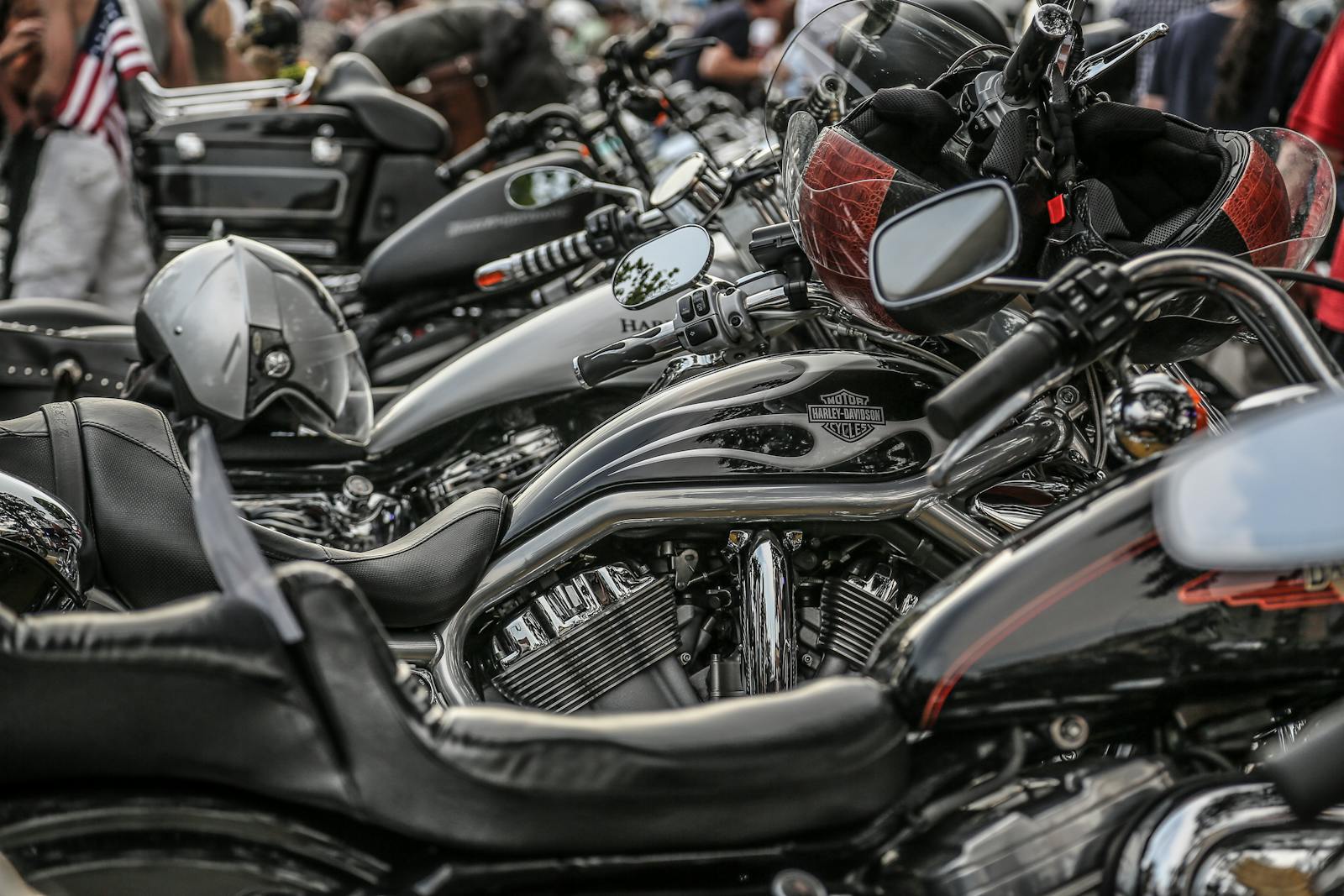

You feel the loss before you see the sign: a community hub for rides, repair tips, and weekend events has gone quiet, and long-standing connections between riders and staff have been severed. Many longtime customers and employees say the abrupt closure of the San Francisco Harley‑Davidson dealership destroyed a local motorcycle institution and left staff suddenly unemployed.
The post walks through how the shop’s sudden shutdown played out, why employees and patrons felt blindsided, and what this moment reveals about challenges facing Harley‑Davidson and its network of dealerships. Expect firsthand accounts, timeline details, and what the change could mean for the biking community.
The Closure of San Francisco’s Iconic Harley-Davidson Dealership
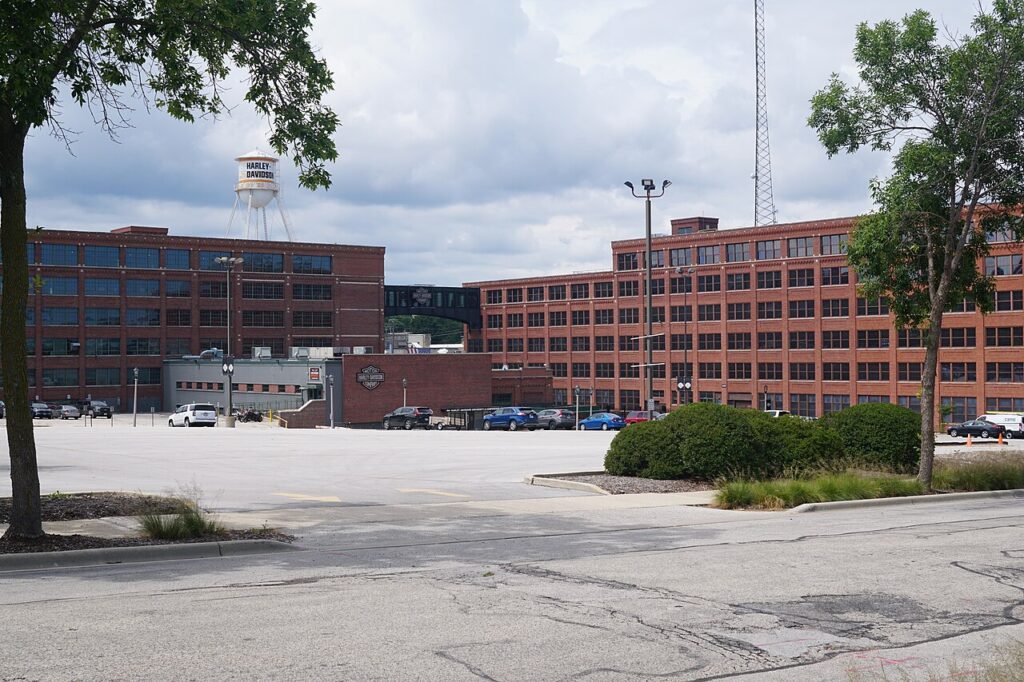
The dealership’s long history, its role as a community hub, and the sudden way employees were let go are central to why riders and staff reacted so strongly. The account below covers the dealership’s origins, community activities, staff impact, and the abrupt final day.
History of the Dudley Perkins Dealership
Dudley Perkins founded the shop that became San Francisco Harley‑Davidson in 1914. Over generations the Perkins family ran what grew into a landmark motorcycle business associated with Harley‑Davidson culture in the Bay Area.
The dealership operated under the Dudley Perkins name for more than a century, maintaining a reputation as a trusted local outlet for Harley parts, service, and apparel.
In 2018 the family ownership ended when the business sold to new owners including Cliff Chester. The franchise’s address at 3146 Mission St. hosted the later years of the operation, though the business moved locations over its lifetime. After the sale, former employees and customers reported growing operational changes that altered daily routines and shop management.
Years of Community and Event Hosting
For decades the dealership served as a gathering point for riders, charity rides, and local motorcycle clubs. It regularly hosted demo days, maintenance clinics, and seasonal promotional events that drew both longtime Harley owners and new riders. These activities helped the shop act as more than a retail space: it was a social hub for the Bay Area motorcycle community.
Staff and customers recall the showroom as part museum, part community center, with collectible bikes and branded merchandise on display. The dealership’s role in local events helped fuel loyalty; many regulars said they came for the people and the atmosphere as much as for parts and service.
Impact on Riders and Staff
The closure left riders without a familiar service center and disrupted planned events. Customers who relied on scheduled maintenance or parts at 3146 Mission St. faced abrupt cancellations and uncertainty about warranties or orders. Local clubs lost a convenient meeting spot and a supporter of charity rides.
Employees experienced immediate job loss and confusion. Mechanics and sales staff who worked years at the family‑owned Harley outlet reported being told of the takeover and layoffs without prior notice. Some described months of disorganization before the shutdown, including missing inventory and breakdowns in accounting and communications that affected both work and customer service.
Abrupt Shutdown and Reactions
On the final day, employees gathered expecting a staff meeting and instead received layoff notices and guidance to contact an outside HR firm. Workers packed tools and left without clear information on rehiring or the dealership’s future. Many described the scene as chaotic and emotionally difficult.
News of the closure spread quickly through social media and local press, prompting disappointment from riders and former staff. Coverage highlighted the dealership’s 110‑year history and questioned how a long‑running family business could close so suddenly after the 2018 sale. For additional reporting on the closure and timeline, see the local coverage of the San Francisco Harley‑Davidson shutdown.
Wider Challenges Facing Harley-Davidson and Its Dealerships
There’s a mix of financial pressure, leadership upheaval, changing customer patterns, and local impacts that help explain why once-thriving locations are closing. Each factor compounds the others and reshapes how the company and independent dealers operate.
Economic Trends Affecting the Brand
Rising interest rates and higher operating costs squeezed dealer margins after the post-pandemic inventory buildup. Dealers who bought stock during 2020–21 have faced heavy financing charges on unsold motorcycles and parts, cutting cash flow for payroll and showroom upkeep.
Corporate pricing and Harley-Davidson’s direct-to-consumer e-commerce discounts also undercut accessory and apparel sales that historically subsidized low-margin bike sales. That shift reduces a dealer’s revenue mix and makes it harder to cover fixed costs like rent and technician wages.
Declining global motorcycle shipments and weakened HDMC revenue in recent quarters increased pressure on both corporate and franchise operations. These trends forced many dealers to destock, triggering steep year-over-year shipment drops and accelerating store closures.
Management Changes and Leadership Shifts
Leadership turnover at Harley-Davidson added uncertainty for dealers already managing tight finances. New executives changed strategies quickly, including re-evaluating finance arm options and retail approaches, which left some franchises scrambling to adapt.
Public statements and quarterly results under Artie Starrs’s tenure highlighted steep declines in core-segment revenue and prompted aggressive cost-cutting moves. Those announcements signaled to dealers that corporate priorities were shifting, sometimes without clear, dealer-friendly transition plans.
Dealers reported that sudden corporate directives—like showroom upgrade requirements—came at inopportune times. When leadership sets new retail standards without phased support, independent owner-operators often lack the capital or confidence to invest, increasing the likelihood of exits.
Shifting Rider Demographics
Harley-Davidson’s traditional customer base is aging, and younger riders show different buying patterns and mobility preferences. Fewer new riders enter the market, and those who do often favor smaller-displacement bikes, adventure models, or electric options over classic V-twin cruisers.
Attempts to broaden appeal—such as electric models and adventure bikes—have not yet produced consistent volume to replace declining legacy sales. That leaves many dealerships with showroom assortments misaligned with local demand.
Younger customers also research and buy differently, leaning on online research and competitive pricing. This reduces in-store conversion rates for test rides and impulse accessory purchases, forcing dealers to rethink event marketing and in-person community-building tactics.
Effects on Local Communities
Dealership closures remove more than a retail outlet; they erase a local social hub for riders. Long-running shops often hosted group rides, charity events, and mechanic clinics that knit communities together and drove foot traffic.
Job losses hit technicians, sales staff, and event coordinators. Small businesses that relied on rider gatherings—cafés, gear shops, and local tour operators—see reduced weekend traffic after a dealership closes.
When a flagship store shuts, regional brand visibility drops. That makes recruiting new riders harder and reduces grassroots marketing opportunities that independent dealers used to rely on to sustain membership in local riding clubs and events.
More from Steel Horse Rides: