
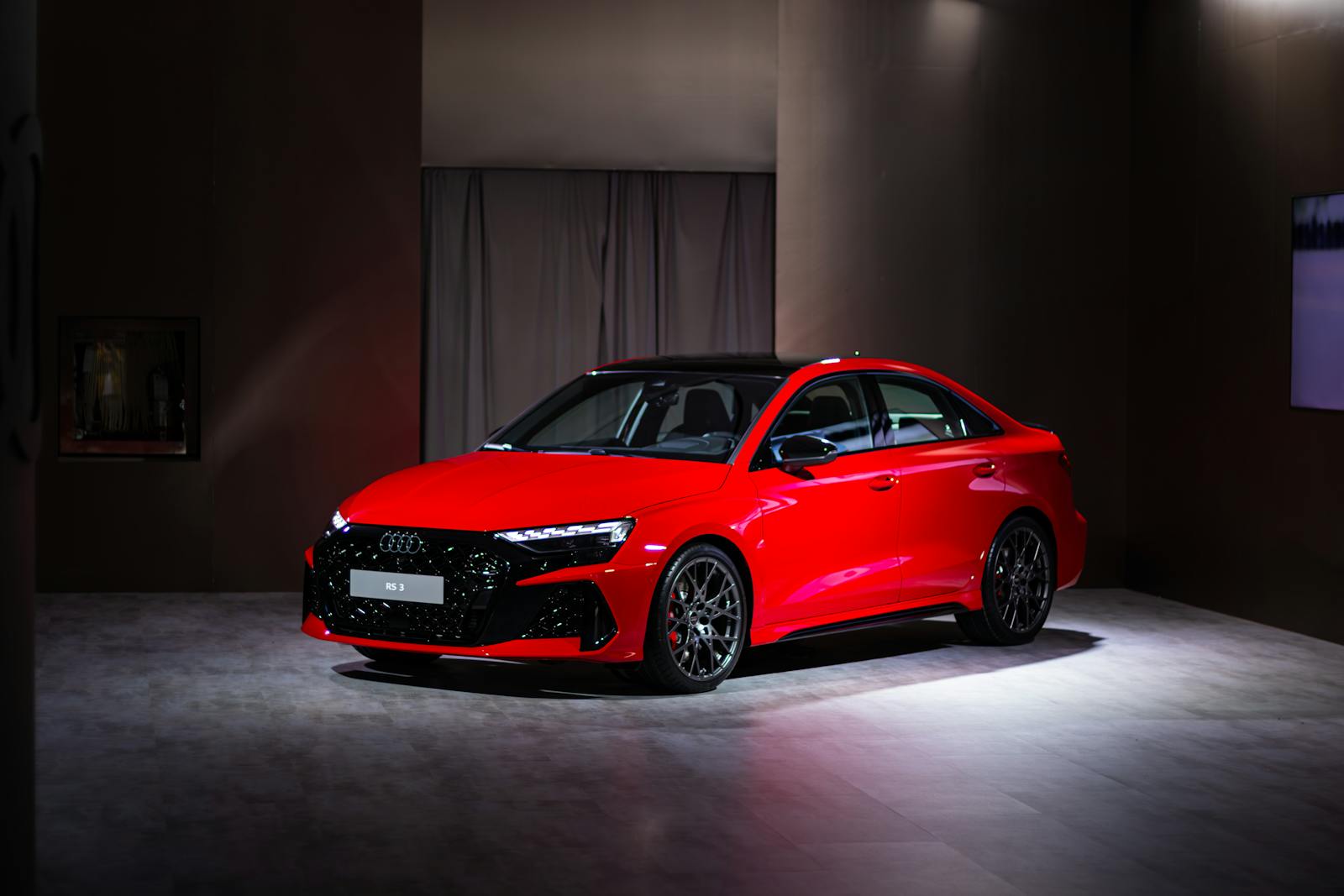

Luxury car buyers in China woke up to shuttered showrooms and darkened service bays as multiple Audi dealerships abruptly halted operations across key provinces. The overnight closures mark a sharp turn for a brand that once treated China as its growth engine, and they are landing at a moment when the country’s premium car market is being aggressively reshaped by local electric players. For Audi’s partners on the ground, the sudden stop is not just a headline, it is a cash flow crisis.
What looks like a local dispute between a carmaker and its retailers is really a story about how fast the balance of power is tilting in the world’s largest auto market. As margins thin and buyers pivot to software heavy EVs, the old dealership-heavy model is starting to crack, and Audi is far from the only global badge feeling the strain.
The overnight shutdowns and the numbers behind them
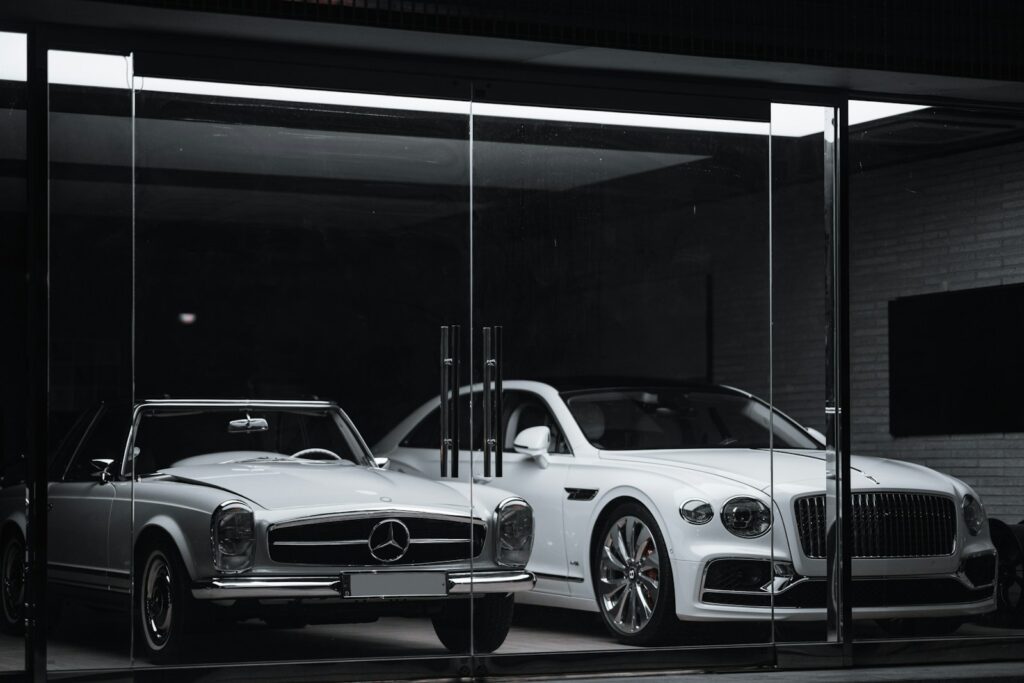
The immediate shock came from reports that Multiple Audi outlets in China simply stopped trading, with staff and customers learning about the closures almost in real time. Dealers cited declining sales and shrinking profit margins as the trigger, describing a business that had become impossible to run under existing terms. One detailed account of the shutdowns stressed that the strain had built up over months as inventory piled up and discounting intensified, leaving retailers with little room to cover rent, payroll, and financing costs.
The geographic spread underlines how systemic the problem has become. Multiple Audi dealerships have reportedly closed or suspended operations across Chinese regions including Henan, Guangxi, Beijing, and Jiangsu, not just in one struggling city or a single underperforming group. Social media amplified the shock, with one viral post from NIOSwitzerland highlighting that Multiple Audi dealerships had closed suddenly in China and openly wondering who would scoop up AUDI’s market share. A related thread from the same account again pointed to Multiple Audi sites going dark, underscoring how quickly rivals sensed an opening.
Behind the closures sits a clear deterioration in the sales picture. In terms of performance, Audi recorded a 5 percent decrease in sales throughout 2025 compared to the previous year, marking a second consecutive year of decline in China specifically. Reporting on the Chinese market notes that this drop has translated directly into pressure on dealers, who rely on volume bonuses and aftersales work to stay profitable. One detailed breakdown of the situation, framed as THE AUDI COLLAPSE, argued that the brand’s once dominant position in China Audi is cracking as Massive Dealerships are Suddenly Closing in the face of rising local competition and a pivot to software driven electric cars.
Dealer anger, legal threats, and a bruising partnership
For the people who actually own and run these showrooms, the closures are not just a macro trend, they are a breakdown in trust with the manufacturer. Detailed coverage of the shutdowns describes how Multiple Audi dealers in China complained of being pushed to take more stock than they could sell, while incentives failed to keep pace with the discounts needed to move cars. Some operators have reportedly started to organize, weighing whether to negotiate collectively or consider seeking legal remedies if they believe contractual obligations have been breached.
The tone from the Chinese side of the partnership has grown sharper as the numbers have worsened. A report from JAKARTA, credited to Muhammad Indra Nugraha and Zulmahmudi Editor, notes that the pressure of the Chinese automotive market has made Audi dealers “fall,” with some partners so concerned they are considering legal action. That same coverage, illustrated with an Audi cars Photo, underlines that the 5 percent sales slide is not an abstract figure but a direct hit to dealer viability in a market where fixed costs are high and competition is relentless.
Inside Audi’s own network, there is also frustration about how slowly the brand has adapted its product and retail strategy to Chinese tastes. Analysts in one widely shared video, labeled THE, AUDI, COLLAPSE, argue that the company’s traditional strengths in build quality and understated design are no longer enough when buyers are comparing giant in car screens and over the air software updates. That critique, which frames the situation as Why Massive Dealerships are Suddenly Closing, dovetails with dealer complaints that they are being asked to sell cars that feel a step behind local EV rivals on tech and price.
Audi’s slump in a wider luxury shake up
Zoom out from Audi and the pattern looks even starker. The same week that Multiple Audi dealers were going dark, reports surfaced that Porsche is closing nearly 30% of its dealerships in China after a sharp drop in demand. A separate post on the same development notes that Porsche is shutting almost a third of its network in China, a country that was once its largest market. When two of Germany’s most prestigious badges are retrenching at the same time, it signals more than a one off misstep.
More from Wilder Media Group: