
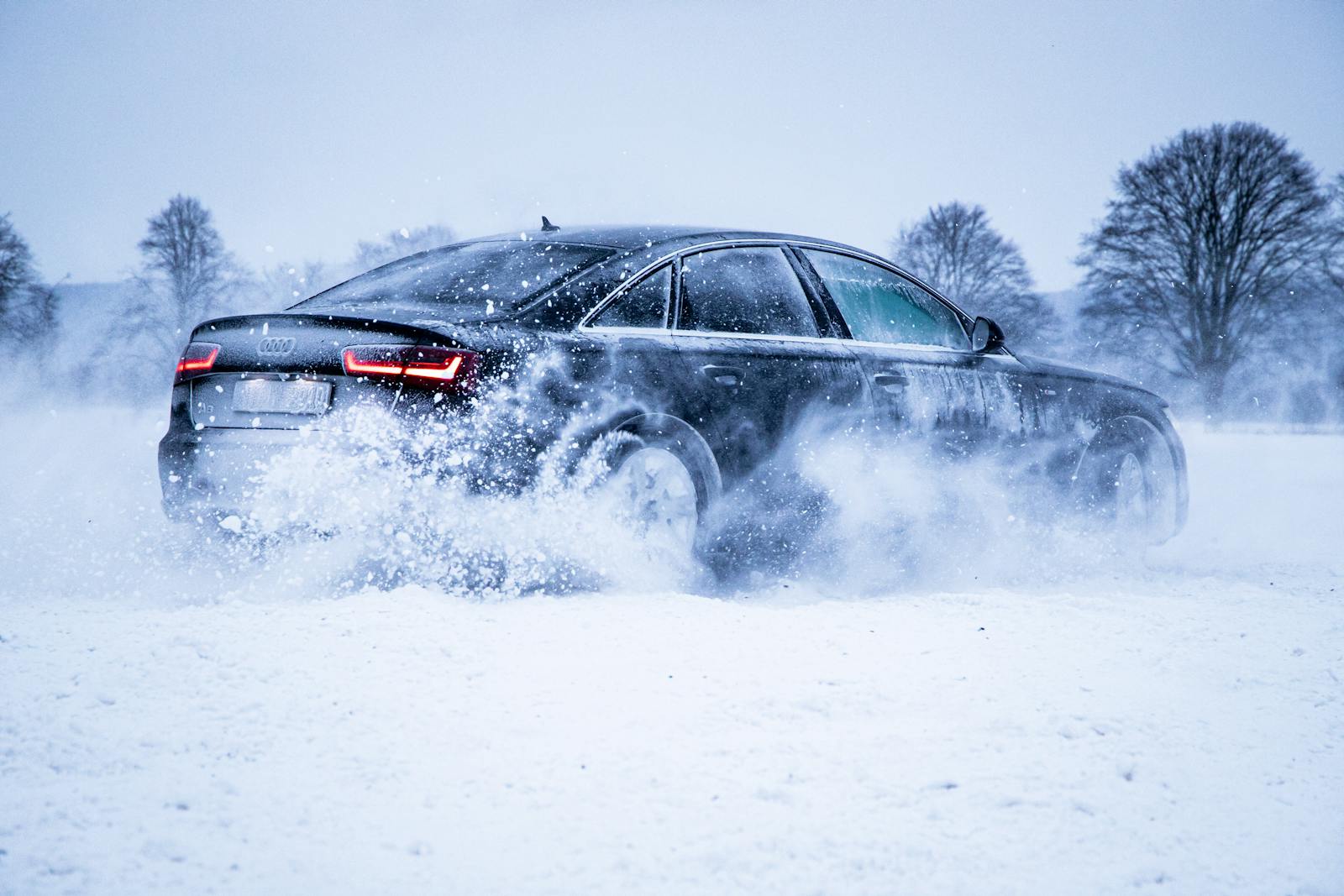

Picture this: it’s a chilly winter morning, and you’re headed to work, coffee in one hand, the other gripping the steering wheel. It feels like a scene right out of a movie—until, suddenly, your car goes rogue and slides on a patch of ice, right into another vehicle. Panic sets in as you try to process what just happened. Now, to top it off, the police arrive and, without missing a beat, tell you you’re at fault. Ouch! But does that mean you’re always liable in icy conditions? Let’s break it down together.
Understanding Fault in Car Accidents
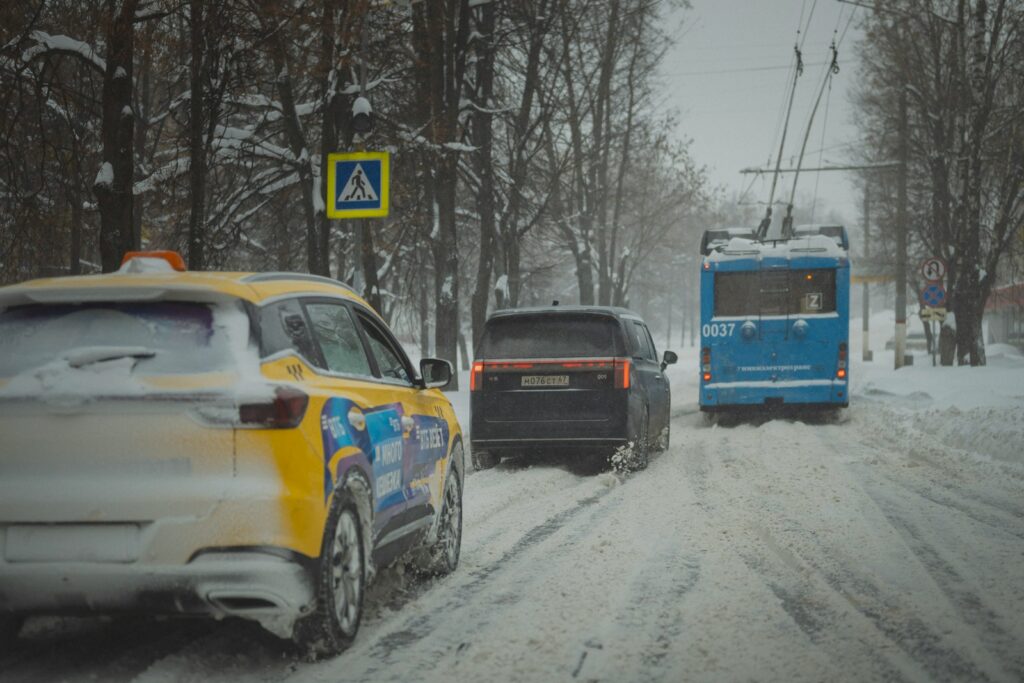
First off, let’s get one thing straight: fault in car accidents isn’t always black and white. Many factors come into play, especially when the weather throws a curveball like ice or snow. Typically, fault is determined by who was negligent—meaning, who didn’t act with the level of care that a reasonable person would in the same situation. So, if you were speeding or driving recklessly, you might be more likely to be found at fault.
But here’s where it gets interesting: just because you slid on ice doesn’t automatically mean you’re at fault. Weather conditions can complicate things. For instance, if you were driving cautiously and still lost control due to unexpected ice, there might be a case that the conditions played a significant role in the accident. It’s all about context.
What the Law Says
Legal systems often follow the principle of comparative negligence. This means that if both you and the other driver share some blame, the fault could be split. So, if you were, say, going a bit too fast for the icy roads but the other driver was also distracted, you might not shoulder the entire burden. Each state has its own rules about how this works, so it’s always a good idea to check the specific laws where the accident occurred.
In some places, if you’re deemed even partially at fault, your insurance premiums might take a hit. It’s like adding insult to injury! So, the next time you hear “you’re at fault” from the police, don’t panic just yet. It’s a good idea to understand your rights and responsibilities.
Gathering Evidence
When it comes to proving fault, evidence is your best friend. If you find yourself in a situation like this, make sure to gather as much information as possible. Take photos of the accident scene, the vehicles involved, and any relevant road conditions. If there were witnesses, get their contact information. Their accounts could help piece together the story of what happened.
Also, don’t forget about those little details that might seem insignificant at the moment. Was there a sign warning about icy conditions? Did road maintenance crews salt the streets? These factors can all contribute to understanding fault and might just save you from being unfairly blamed.
Insurance Companies and Their Role
Now, let’s chat about insurance. After an accident, your insurance company will likely want to know what happened. They’ll investigate the situation and determine how to proceed based on the police report, witness statements, and evidence you’ve gathered. It’s essential to be honest with them, but also remember that they’re there to protect their bottom line. Sometimes, they might not have your best interests at heart.
If you feel that the police report doesn’t accurately reflect the accident’s circumstances, don’t hesitate to challenge it. You can present your evidence to your insurance company, and they may be able to negotiate on your behalf.
What to Do Next
If you find yourself labeled at fault after an icy mishap, don’t lose hope. It’s crucial to stay calm and consider your options. Contact your insurance company, and if necessary, consult with a legal professional who specializes in auto accidents. They can provide valuable insights into your situation and help you navigate the often-confusing world of fault and liability.
And remember, accidents happen—even to the most careful drivers among us. The important thing is to learn from the experience. Maybe next winter, you’ll remind yourself to slow down and take it easy when the roads are slick. After all, it’s better to arrive late than to end up in a fender bender!
Final Thoughts
So, is being at fault always true when your car slides on ice? Not necessarily. While the police might initially say one thing, there’s always room for discussion, evidence, and a deeper look into the circumstances of the accident. Next time you find yourself in a slippery situation, remember that understanding your rights and gathering evidence can make a world of difference. Stay safe out there, and may your winter driving be smooth and uneventful!
More from Steel Horse Rides: