

What’s the Deal with Your Car’s Odometer?
So, picture this: you’re driving along, music blasting, windows down, feeling like a rockstar in your trusty car. Then, you take it in for routine maintenance, and your mechanic drops a bombshell: “Hey, this thing’s got way more miles on it than it shows.” Cue the panic. You take it to the dealer, and they’re like, “Nah, it’s all legit.” Talk about a classic case of he-said-she-said! So, who’s right? Let’s break it down.
Understanding Odometer Fraud
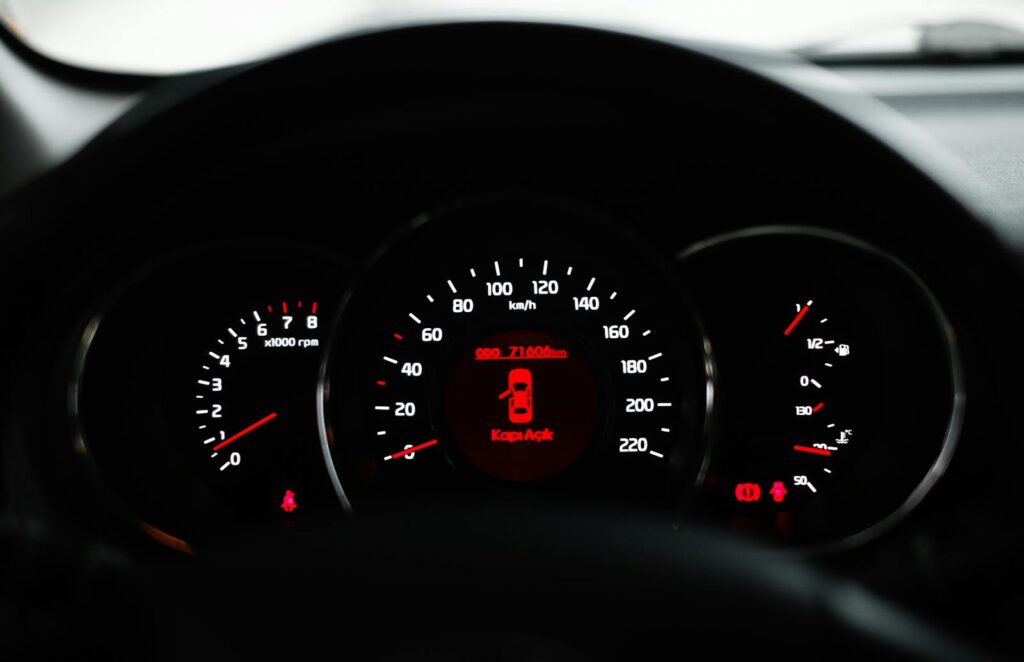
First off, let’s chat about odometer fraud, because that’s what we’re really dealing with here. It’s when someone rolls back the mileage on a car to make it appear less used than it actually is. It’s illegal, and it’s more common than you might think. Before you drive yourself crazy, take a deep breath. It’s essential to understand that odometers can be tampered with, but it’s not always as straightforward as it seems.
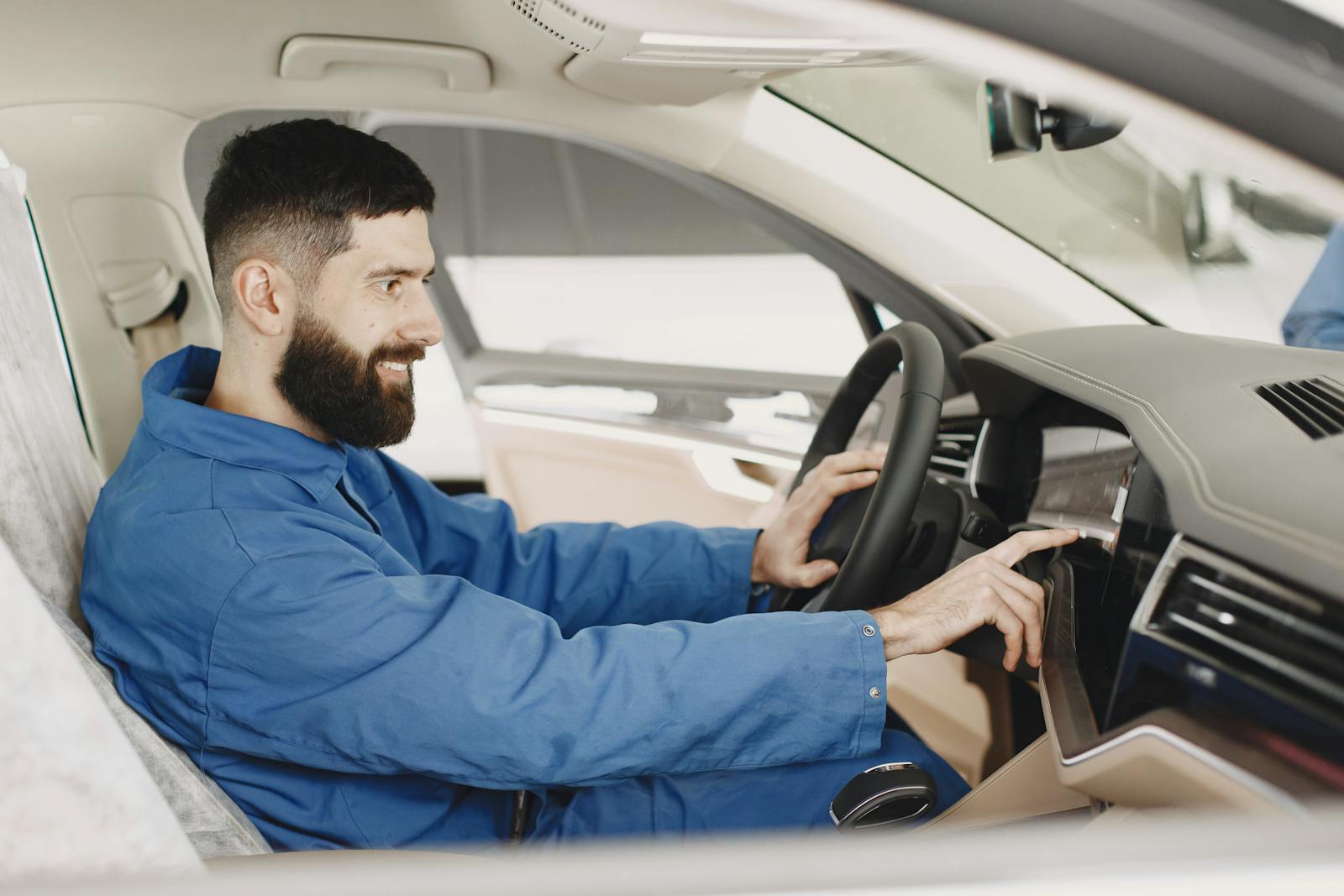
Your mechanic might’ve noticed some signs that suggest your car’s odometer doesn’t tell the whole story. Maybe the wear and tear don’t match the mileage, or perhaps there are discrepancies in the maintenance records. These are red flags, folks! But then again, mechanics sometimes have a tendency to be a bit dramatic. They want to make sure you’re aware of potential issues, but that doesn’t necessarily mean foul play.
Dealer’s Assurance: Trust or Verify?
Now, on to the dealer. They’re swearing up and down that everything’s on the up and up. Dealerships often have access to a vehicle history report that includes information like previous mileage readings. If they’re reputable, they might even have service records that align with the odometer reading. So, when they say it’s legit, they might genuinely mean it.
But let’s not forget: dealers can make mistakes too. They might not have the full history or might be relying on incomplete information. Plus, if you’ve bought a used car, there’s always a chance it passed through several hands before it got to yours. So, their confidence doesn’t automatically guarantee truth. It’s like getting a solid recommendation from a friend who hasn’t seen the movie — they can hype it up, but they can’t vouch for the plot twist that ruined the ending.
What to Do Next?
You’re probably wondering what to do now, right? Start by doing some digging. If you haven’t already, get a vehicle history report from a service like Carfax or AutoCheck. These reports can reveal past odometer readings and any reported discrepancies. It’s like a background check for your car, and trust me, you want to know what’s lurking in the shadows.
Next, you might want to have a chat with your mechanic. Ask them what specifically made them think there’s a mileage discrepancy. They might have spotted something that didn’t sit right. Maybe the brake pads are brand new but the mileage says it’s been driven a thousand miles since they were last changed. That’s a clue worth exploring!
Getting a Second Opinion
If you’re still in doubt, don’t hesitate to get a second opinion. Find another mechanic you trust and ask them to take a look. This might feel a bit like a bad breakup, but it’s essential to get clarity before you commit to a long-term relationship with your car. Plus, you might discover that the first mechanic was a bit off-base, or you could confirm your worst fears. Either way, knowledge is power!
Trust Your Gut
At the end of the day, trust your gut. If something feels off about the car, it probably is. You’re the one driving it every day, so you know how it should feel. If you notice anything strange — like weird sounds, sudden drops in performance, or that nagging feeling that something’s just not right — don’t ignore it. Cars are like people; they’ve got their quirks, and sometimes they need a little extra TLC.
Final Thoughts
So, who’s right in this back-and-forth saga between your mechanic and the dealer? Honestly, it might just boil down to doing your homework. Gather all the information you can, trust your instincts, and don’t shy away from seeking a second opinion. And remember, just because a car has “low mileage” doesn’t always mean it’s been treated well. Whether you end up keeping your ride or deciding it’s time for an upgrade, you’ll be making an informed choice. And that’s the best kind of decision you can make!
More from Wilder Media Group: