
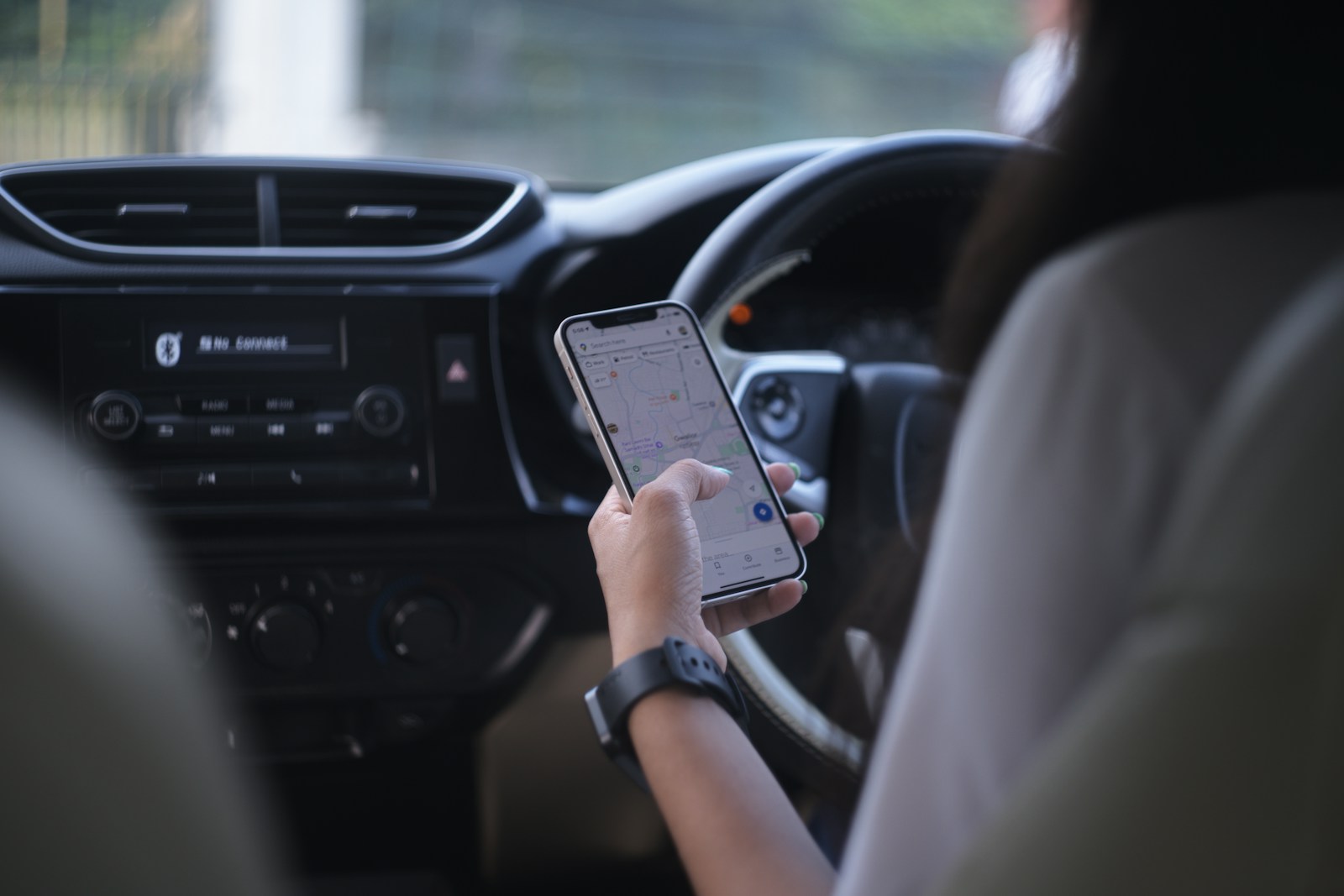

Near-miss moments on the road are starting to feel less like flukes and more like a daily occurrence. Close calls at intersections, last-second braking on the highway, and swerves back into the lane are quietly stacking up long before any crash report is filed. Behind many of those scares sits the same culprit: distracted driving that has evolved from the occasional phone call into a constant stream of digital and mental noise.
As vehicles pack in more screens and drivers juggle phones, navigation, and notifications, the line between a routine commute and a disaster keeps getting thinner. Near misses serve as warning sirens, revealing just how fragile that line has become, and the data on distraction, from fatal crashes to risky behavior, suggests those sirens are getting louder.
Near misses as the new red flag
Safety experts treat near misses as early evidence that a crash is coming, not as harmless “no harm, no foul” moments. Fleet monitoring tools describe Near miss behaviors as clear precursors to collisions, the kind of events that should trigger coaching before a driver hurts someone. That framing fits what many people see on the road: a driver who drifts toward the shoulder while scrolling through messages, or a pickup that slams on the brakes after rolling a little too fast toward a red light. The crash does not happen, but the behavior that nearly caused it is already baked into the routine.
These close calls are not random. Cognitive distractions, like mentally replaying a work argument or silently composing a text, are responsible for a significant percentage of near-miss incidents, according to research on Cognitive distraction. Drivers might have both hands on the wheel and eyes pointed forward, yet their attention is somewhere else entirely, which shows up as delayed braking, missed signals, or wandering across lane markers. Those behaviors rarely make it into official crash databases, but they are exactly the kind of patterns that, repeated over days and months, turn into rear-end collisions and side-impact crashes.
How distraction fuels risk long before impact

Distraction behind the wheel is no longer limited to a quick glance at the radio. Federal safety officials define distracted driving as any activity that diverts attention from driving, including phone use, eating, or adjusting in-car systems. That broad definition matters, because the modern car is full of temptations: Apple CarPlay playlists, navigation searches on a touchscreen, group chats lighting up a smartphone in the cup holder. Each extra glance or mental shift stretches reaction time just enough to turn a routine lane change into a close call with a motorcyclist or a merging SUV.
Researchers have tied that split attention directly to crash risk. An NIH-funded study equipped Vehicles driven by novice teen and experienced adult drivers with multiple cameras and sensors, then tracked what happened when they reached for phones or other objects. The analysis found that secondary tasks, such as texting or dialing, sharply increased crash and near-crash risk for novice teen drivers, while experienced drivers were not immune either. A separate naturalistic study of novice drivers reported in an Abstract on novice reached a similar conclusion, linking distracted behavior to a major share of motor vehicle incidents among new drivers. Those findings echo what parents see when a teenager looks down at a notification and drifts toward the rumble strip before snapping back to attention at the last second.
From near miss to fatal crash: distraction by the numbers
Near misses are hard to count, but the crashes that follow them are not. National figures show that 3,308 people were killed in distracted driving crashes in 2022, based on NHTSA data summarized in recent research. Another analysis of federal numbers found that distracted drivers killed 3,275 people in motor vehicle crashes in 2023, reinforcing that the problem is not easing. A 2026 guide to Distracted Driving Death notes that research confirms the danger, with crash data showing how quickly a glance at a screen can turn lethal. That same guide points out that while observed hand-held cell phone use while driving has decreased, the manipulation of electronic devices (texting, using apps) has increased, presenting a continuous challenge for road safety.
Even with those grim totals, experts argue that the official numbers still miss a large share of distraction-related harm. Advocacy groups that track Distracted Driving Fatalities point to gaps in how police reports capture phone use and mental distraction after a crash. The National Safety Council uses an analysis of NHTSA data to show that driver cell phone involvement is likely underreported, even as distraction remains a persistent safety issue. Put together, the near misses that never get logged and the undercounted crashes that do make the database suggest a much larger problem simmering under the surface.
More from Wilder Media Group: