
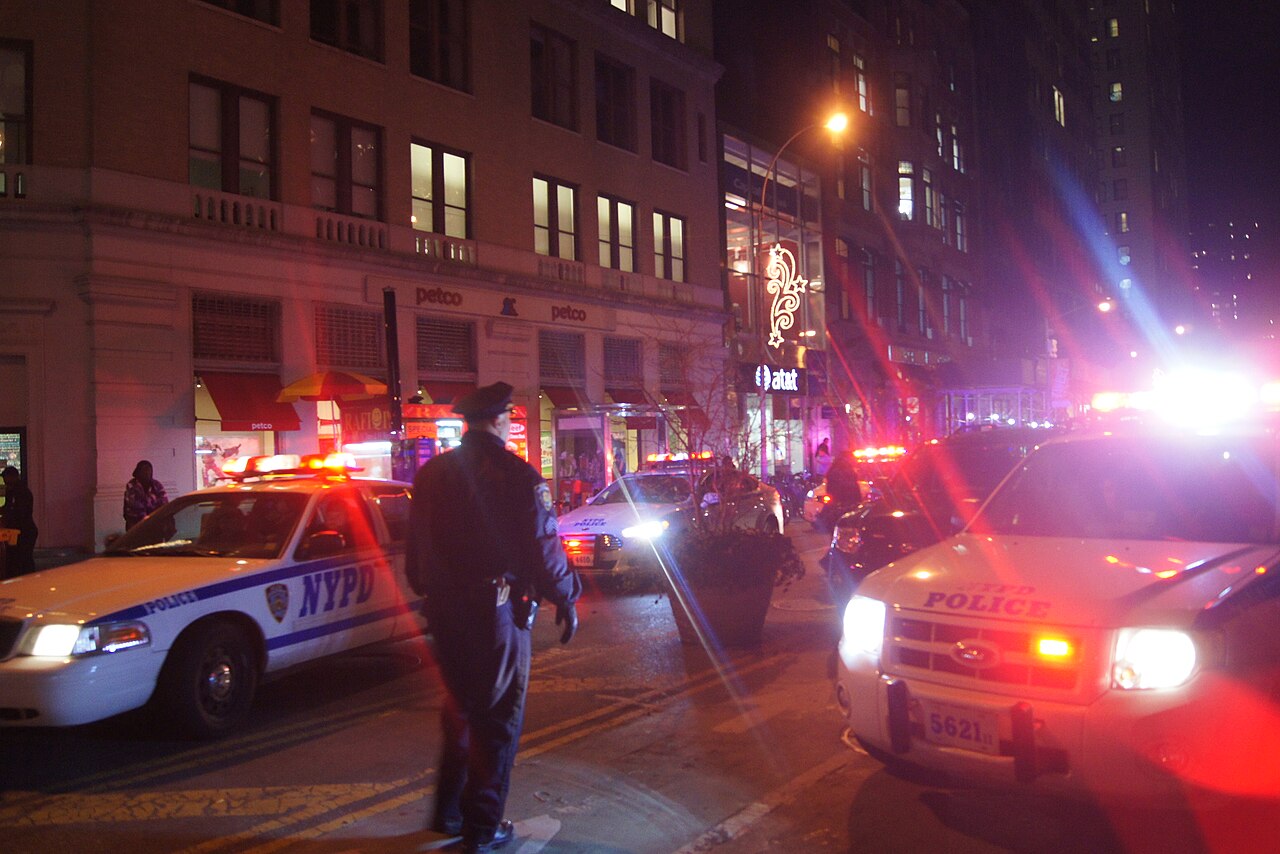

They need to know the law changed and what it means for anyone who uses aftermarket or unauthorized vehicle lighting. The new “blue light” enforcement law can carry steep fines and even jail time for first offences, so anyone with non-approved blue or emergency-style lights should check whether their setup now breaks the rules.
This post breaks down what the law targets, how enforcement works, and the practical steps people can take to avoid penalties. Expect clear examples, actionable advice, and a plain explanation of who faces the biggest risk.
Breaking Down the New “Blue Light” Enforcement Law
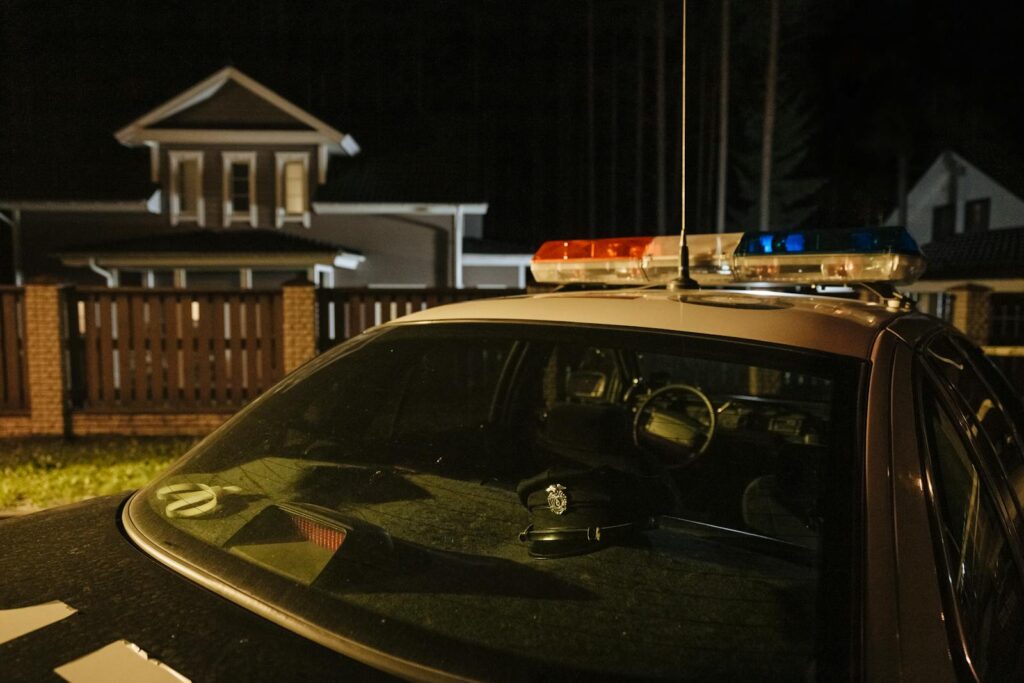
The law tightens who may display flashing blue lights, raises penalties for unauthorized use, and creates specific criminal charges tied to evading officers. Readers will find definitions, penalty ranges, covered parties, and the legislative intent laid out clearly.
What the Blue Light Law Actually Says
The statute makes it unlawful to use or display flashing blue lights on a vehicle unless authorized by state law. It defines “blue light” as a flashing or steady blue signal visible from the front or rear of the vehicle and clarifies that lights combined with sirens or other emergency signals are treated the same for enforcement purposes.
The text lists prohibited behaviors: mounting blue lights on private cars, using handheld blue strobe devices, and modifying aftermarket lighting to appear blue. It also ties lighting violations to failure-to-stop and evasion rules when a vehicle with authorized blue lights is signaling a motorist to pull over.
For precise statutory language and legislative history, review the bill summary and enacted amendments available from the state legislature’s bill page: Failure to Stop for a Blue Light (Bill 983) (https://www.scstatehouse.gov/sess125_2023-2024/bills/983.htm).
Fines, Penalties, and Jail Time for Unauthorized Use
Penalties now include increased fines, license suspensions, and potential criminal charges based on conduct and harm caused. A first offense for unauthorized blue-light display can carry fines (commonly around $500) and misdemeanor exposure; repeat offenses escalate to felony exposure with steeper penalties.
If the unauthorized use contributes to evasion or a high-speed pursuit, the law permits felony charges carrying up to 10 years in prison for pursuit-related convictions. When unauthorized lighting relates to an incident causing great bodily injury or death, maximum sentences increase substantially, mirroring the heavier ranges lawmakers adopted.
Courts may also impose driver’s license suspensions: short suspensions for initial violations and mandatory one-year suspensions for repeat or pursuit-related felonies. The rules intentionally separate pure lighting violations from pursuit conduct, but both can produce criminal liability.
Who the Law Applies To and Exemptions
The prohibition covers drivers, vehicle owners, and organizations that outfit vehicles with blue lights. It targets private citizens, private security firms using blue strobes, and businesses that retrofit fleet vehicles without express legal authorization. Installers and sellers of prohibited lighting may also face penalties under related statutes in some jurisdictions.
Exemptions typically include commissioned law enforcement officers, certain emergency medical services, and designated state or local public-safety vehicles authorized by statute or regulation. Agencies authorized to use blue lights must meet registration or marking requirements and operate within defined duties to maintain their exemption.
Civilian vehicles may use alternative approved colors—such as amber or white—where law permits. Anyone unsure whether a vehicle or role qualifies for exemption should consult agency rules or the legislative text to avoid penalties.
Why This Law Was Introduced
Lawmakers cited public safety and the need to prevent impersonation of police as primary drivers for the change. Unauthorized blue lights can create confusion during traffic stops, enable dangerous evasion, and increase the risk of high-speed pursuits and collisions.
Legislators also pointed to incidents where private actors used blue lighting to bypass traffic or coerce compliance from other motorists. The statute intends to make enforcement clearer for officers and to give prosecutors defined tools to charge impersonation and pursuit-related offenses.
Advocates for the law sought to harmonize lighting rules across jurisdictions and close loopholes that previously allowed aftermarket modifications or private security use of blue strobes. The legislative record and reporting on the bill explain these motivations in greater detail (see reporting on the law’s enactment and penalties: South Carolina drivers face tougher ‘blue light’ penalties | Rock Hill Herald Online (https://www.heraldonline.com/news/state/south-carolina/article314762091.html)).
How the Blue Light Law Impacts Drivers
The law raises penalties for failing to stop for emergency signals, adds a separate felony for high-speed evasion, and restricts unauthorized blue or flashing lighting on civilian vehicles. Drivers should note new fines, longer prison maximums, and explicit rules about aftermarket lights.
How Enforcement Will Work
Law enforcement will treat failure to stop when signaled by flashing lights or sirens as a criminal offense under the updated statute. Officers will document whether lights or sirens were activated and whether the driver accelerated, changed direction, or otherwise attempted to evade. Those actions can create a separate high-speed pursuit felony when officers can show pursuit started after signals were given.
Convictions can carry higher maximum prison terms, longer license suspensions, and steeper fines than before. Prosecutors may charge a first offense as a misdemeanor and repeat or violent-result cases as felonies. Courts will consider evidence such as dashcam video, bodycam footage, eyewitness accounts, and speed data when determining guilt and sentencing.
Steps to Stay Compliant and Avoid Penalties
Pull over safely and promptly when a marked or clearly identified emergency vehicle uses flashing lights or sirens. Use your turn signal, slow gradually, and stop at the right-hand side of the road when safe. If traffic conditions prevent immediate stopping, reduce speed and signal intention to comply.
Avoid sudden maneuvers or accelerating away from a law enforcement vehicle. If a driver believes signals were not apparent, collect evidence—dashcam clips, GPS timestamps, or witness statements—to support that claim. For repeat offenders or serious incidents, contact an experienced defense attorney quickly; legal counsel can advise on plea options, evidence preservation, and potential mitigation strategies.
Implications for Car Modifications and Aftermarket Lighting
Installing blue, red, or flashing lights on a civilian vehicle now risks criminal penalties if those lights could be mistaken for emergency signaling. Aftermarket lighting that emits the same color or flash patterns used by police may be treated as unauthorized use. Vehicle owners should remove or replace any blue/ red emergency-style lights, strobe units, or headlight modifiers that create similar effects.
Dealers and installers must confirm compliance with state vehicle and lighting codes before fitting specialty lighting. Keep receipts and manufacturer specs proving legal, non-emergency color temperatures and steady (non-flashing) operation when using auxiliary lights. When in doubt, consult the statute or a qualified attorney to avoid equipment-related charges.
More from Steel Horse Rides: