


The American car market has reached an uncomfortable milestone that’s making headlines and giving shoppers pause. New car prices have surpassed $50,000 for the first time, with average monthly payments climbing to $766 according to recent industry data. This isn’t just a number on a spreadsheet. It’s reshaping how families think about transportation.
The sticker shock is forcing more Americans toward used car lots, but they’re finding limited relief there too. Many middle-class households that once routinely bought new vehicles are now weighing difficult trade-offs between affordability and their actual needs.
Behind these record-high prices sits a complex mix of factors that have been building for years. From pandemic-era supply chain disruptions to policy decisions about fuel efficiency standards, the reasons why cars cost so much reveal deeper shifts in the automotive industry that buyers are now confronting every time they step onto a dealership lot.
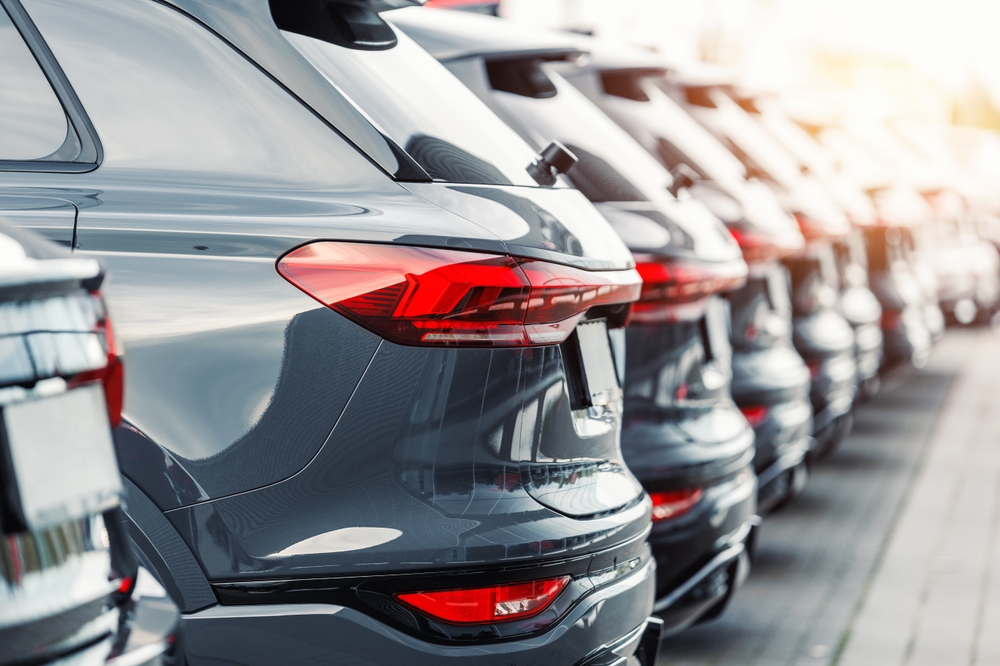
Why New Car Prices Keep Hitting Records
The surge in new car prices stems from automakers prioritizing profitable models over budget options, tariff pressures adding to costs, and a market shift toward premium trucks and SUVs that command higher prices.
Driver Behind the Price Spike: Supply, Demand, and Automaker Strategies
Automakers have fundamentally changed what they’re selling. They’ve phased out smaller, entry-level models in favor of trucks and SUVs that deliver fatter profit margins.
The numbers tell the story. In 2010, buyers could choose from 25 models priced at $20,000 or less. By last year, only 20 models were available at the equivalent price of roughly $30,000 after adjusting for inflation. Meanwhile, premium offerings exploded from 96 models at $40,000 or above in 2010 to 156 models at that price point last year.
This strategy has worked for manufacturers’ bottom lines. GM made about $4,200 per vehicle sold in North America in 2024, up from $3,000 in 2018. Core profit margins on large SUVs and pickup trucks can exceed 20%, according to former auto executives.
The problem is clear for shoppers like Delaware resident Sarah Merriman, who’s already paying $700 monthly on her Ford Mustang Mach-E lease. She’s struggling to find affordable replacement options as her lease ends.
Impact of Tariffs, Fees, and MSRP Changes on Overall Cost
Political battles over pricing have intensified ahead of congressional elections. President Trump and Republicans point to environmental and safety regulations as culprits, while Democrats blame his tariffs for driving up vehicle costs.
The average transaction price has climbed dramatically. Data from J.D. Power shows the figure rose 40% from December 2018 through December of last year, reaching approximately $47,000. Some reports indicate prices have climbed even higher, crossing the $50,000 threshold for the first time.
MSRP increases reflect automakers adding more standard features and technology. Jeep exemplifies this trend—a decade ago, its lineup ranged from $17,000 to $30,000 in starting prices. Today, Jeep vehicles start around $30,000 and reach $65,000 for the Grand Wagoneer, which can exceed $100,000 fully loaded.
Role of Luxury and Larger Vehicles in Average Price Increases
The shift toward premium vehicles has created what industry observers call a “K-shaped economy” in the car market. Wealthier consumers drive most new vehicle purchases while middle and lower-income shoppers head to used-car lots.
Households earning $100,000 or less accounted for 50% to 60% of new vehicle purchases until early this decade, according to S&P Global Mobility data. Last year, that group represented just 36% of sales. “We’re buying more expensive vehicles. We’re buying more trucks and SUVs. We’re buying more loaded vehicles,” said Tyson Jominy, a senior vice president at J.D. Power.
The affordability crisis presents a “tremendous vulnerability” for traditional carmakers if Chinese brands enter the U.S. market with lower-priced alternatives. John Casesa, senior managing director at Guggenheim Partners and former Ford executive, warned that underserving less affluent consumers creates risk that new entrants could steal that business.
How Record Prices Affect Buyers Today
The surge in vehicle costs is creating financial strain across income levels, with monthly payments climbing and fewer households able to enter the new car market. Wealthier buyers continue to drive sales while middle-income shoppers face difficult choices.
Affordability Challenges: Monthly Payments and Down Payments
The average monthly payment has reached $766, a figure that puts new vehicles out of reach for many households. This payment level assumes buyers can make substantial down payments, which have also grown alongside rising transaction prices.
With the average transaction price hitting $50,080 in September, buyers typically need larger cash reserves upfront. A standard 20% down payment now means coming up with over $10,000 before even signing financing paperwork.
The math gets harder when interest rates remain elevated. Buyers with less-than-perfect credit face even steeper monthly obligations, often pushing payments well beyond $800 per month for standard sedans and SUVs.
Financing Trends and Who Can Still Afford New Cars
Erin Keating from Cox Automotive noted that “today’s auto market is being driven by wealthier households who have access to capital, good loan rates, and are propping up the higher end of the market.” This shift has fundamentally changed who participates in new vehicle purchases.
Kelley Blue Book data shows luxury and electric vehicles driving the pricing surge, with more than 60 models carrying average transaction prices above $75,000. These segments remain healthy while budget-conscious buyers increasingly move to used vehicles or delay purchases altogether.
Middle-class families that once routinely bought new cars now find themselves priced out. The “$20,000-vehicle is now mostly extinct,” according to Keating, leaving fewer entry points for first-time buyers or those with moderate incomes.
Dealer Discounts, Advertising, and the Buyer’s Experience
Despite record manufacturer’s suggested retail prices reaching $52,183, some data suggests dealers and automakers are attempting to absorb cost increases rather than pass them entirely to consumers. Transaction prices have remained relatively flat compared to MSRP growth in recent months.
Advertising has shifted to emphasize financing offers and lease deals rather than highlighting base prices. Dealers promote lower monthly payment structures, extended loan terms, and loyalty incentives to make vehicles appear more accessible.
The gap between sticker prices and what buyers actually pay varies significantly by brand and model. Shoppers who research thoroughly and negotiate can sometimes find better deals, though discounts remain far smaller than pre-pandemic levels when incentives were more generous.
More from Steel Horse Rides: