
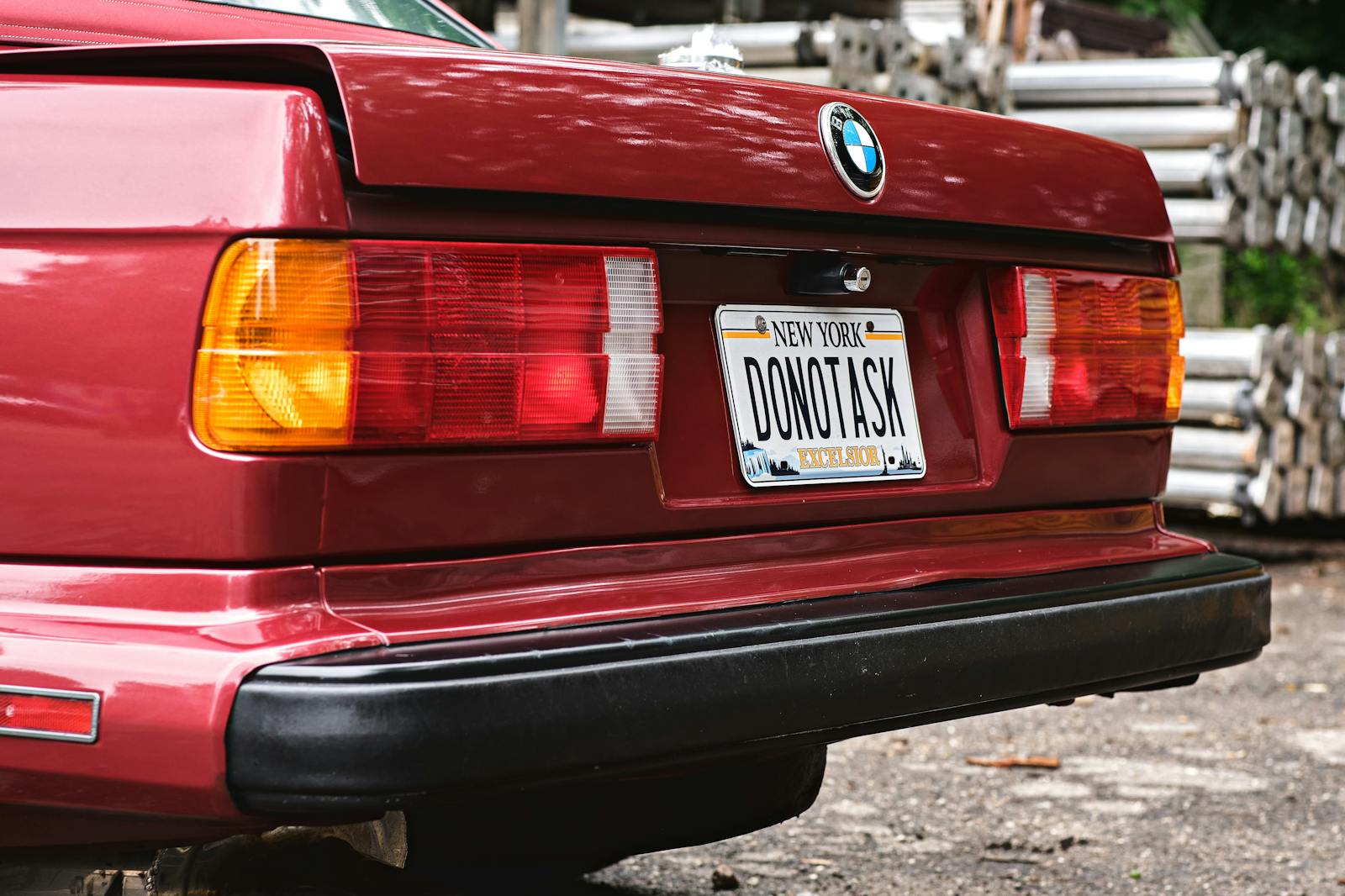

A New York driver who wants a specialty license plate in 2026 can easily spend more than $150 before leaving the DMV counter. Between the state’s weight-based registration fees, county surcharges that apply in most of the state, and the premium charged for cause-related or region-themed plate designs, the total bill has crept into territory that surprises even longtime New Yorkers. The question a lot of drivers are asking is simple: what exactly am I paying for?
The answer involves several layers of fees, a plate program that quietly funds tourism and veterans’ causes, and a political history that still makes New Yorkers suspicious of any new charge from the DMV.
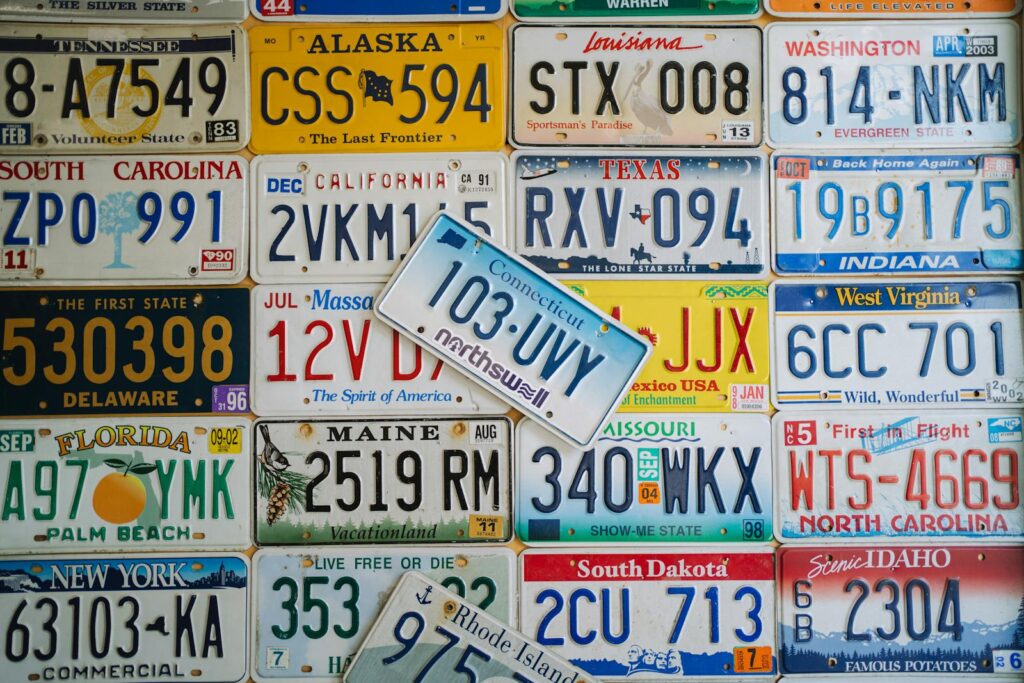
How New York’s plate fees add up
New York calculates registration fees on a weight-based schedule. For passenger vehicles with a gross weight rating between 3,500 and 4,999 pounds, a range that covers most midsize SUVs, minivans, and light pickups, the base registration fee is $32.50, according to the NYS DMV fee schedule. That is just the starting point.
On top of the base fee, most drivers pay a county-level surcharge. New York allows counties to impose supplemental registration fees, and the majority of the state’s 62 counties do so. These surcharges vary, but they typically range from $5 in smaller counties to $20 or more in the New York City metro area, adding a layer of cost that many drivers overlook until they see the final total.
Then comes the plate itself. A standard set of two Excelsior plates, the default blue-and-gold design featuring the state outline and New York’s Latin motto (“Ever Upward”), costs $25. A single plate for a motorcycle or trailer is $12.50, according to the DMV’s Excelsior plate page. But drivers who want a specialty design, whether it represents a region, a cause, or a college, pay significantly more. Specialty plates generally carry an initial issuance fee of $60 to $65, plus annual renewal fees of $31.25 to $62.50 depending on the program, per the DMV’s specialty plates page.
Add personalization (custom text on the plate), and part of the fee becomes nonrefundable. Stack a $32.50 base registration, a $15 county surcharge, and a $65 specialty plate with custom lettering, and the first-cycle total lands in the $150 range without any unusual add-ons. That is how a license plate becomes a triple-digit expense.
Where the money actually goes
The higher price is easier to stomach when the fees fund something specific, and several of New York’s specialty plates are designed to do exactly that.
The Central New York plate, which features landmarks from the region, directs $15 of its annual renewal fee to the Department of Economic Development for tourism marketing, according to the DMV’s Central New York plate page. It is a small amount per driver, but across thousands of renewals, it becomes a steady funding stream for regional promotion.
The Paws of War plate, which supports programs serving veterans and first responders, breaks its fees down clearly: $31.25 for the initial purchase with a DMV-assigned number, and $62.50 for annual renewal, according to the DMV’s Paws of War page. That structure is typical of cause-based plates nationwide, where states use the plate program as a low-friction fundraising mechanism.
Not every driver finds the tradeoff worthwhile. But the transparency matters: unlike a generic fee increase, specialty plates at least spell out where the premium goes.
Why New Yorkers are skeptical about plate fees
The sensitivity around plate costs in New York has a specific origin. In 2019, the state proposed a mandatory plate swap that would have required all drivers to replace their plates with the new Excelsior design, at a cost of $25 per set, even if their existing plates were in perfect condition. The backlash was immediate. Drivers argued they were being charged for something they did not ask for and did not need, as the Democrat and Chronicle reported at the time.
The state ultimately walked back the mandatory element, but the episode left a mark. When drivers see a plate-related charge north of $100 on a renewal notice today, the reflex is suspicion, not enthusiasm. That context is important for understanding why a $150-plus specialty plate, even one that funds a cause the driver chose, still generates friction.
How New York compares
New York’s specialty plate pricing is on the higher end nationally, but it is not an outlier. California charges $50 for most specialty plates plus a $40 annual renewal, according to the California DMV. Texas charges $30 annually for many of its My Plates designs through its state-authorized vendor, though premium designs run higher. Florida’s specialty plates start at $15 to $25 above the standard registration, per the Florida HSMV.
What sets New York apart is less the plate fee itself and more the stacking effect: a higher base registration, mandatory county surcharges in most areas, and specialty plate premiums that compound into a total well above what drivers in lower-cost states pay. For a New Yorker driving a midsize SUV with a cause-related plate, the all-in cost is noticeably steeper than the national average.
| Fee Component | Typical Cost (2026) |
|---|---|
| Base registration (3,500–4,999 lbs) | $32.50 |
| County surcharge (varies) | $5–$20+ |
| Standard Excelsior plates (set of 2) | $25.00 |
| Specialty plate initial issuance | $60–$65 |
| Personalization (if selected) | Varies; partially nonrefundable |
| Estimated first-cycle total (specialty + personalization) | $130–$160+ |
The bottom line for drivers
Nobody is forced to buy a specialty plate. The standard Excelsior design remains available at $25 for a set, and for drivers who just need legal plates on their car, that is the move. But for anyone drawn to a regional design or a cause-based plate, the real cost is not the $60 or $65 printed on the DMV page. It is that number plus registration, plus the county surcharge, plus any personalization, all rolled into one bill that can clear $150 without warning.
The best advice for drivers renewing in spring 2026: check the DMV fee calculator before you commit to a plate upgrade. The design might be worth it. The surprise at the counter is not.
More from Wilder Media Group: