

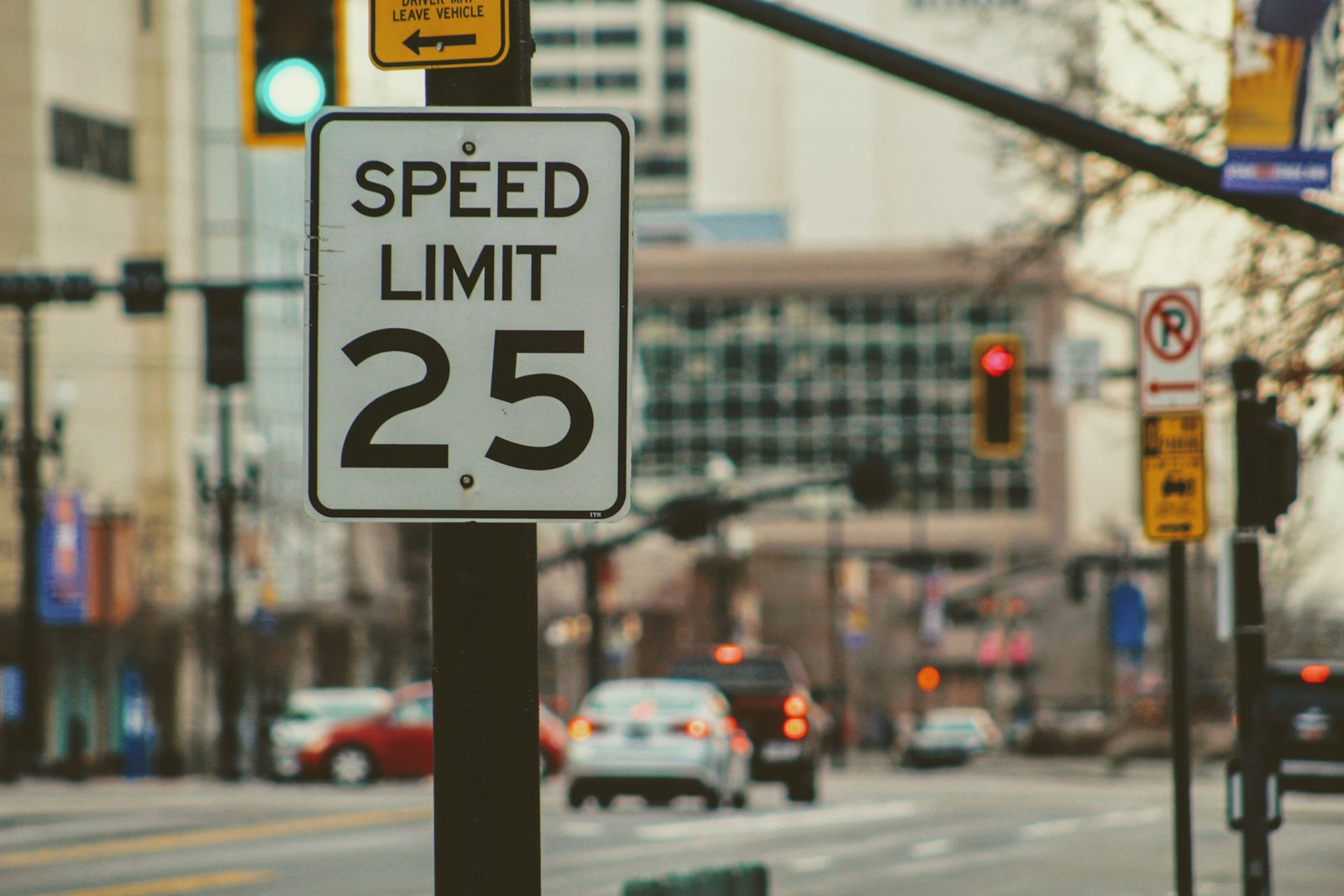
You’re driving the same route you always take when suddenly a new low-speed limit sign appears and your phone pings with a ticket alert. These regulations aim to cut crashes by lowering speeds in high-risk zones, but many drivers who don’t spot changed limits or rely on outdated maps risk unexpected fines.
They lay out where and why speed limits shift, how enforcement and technology like speed cameras or speed-assist tools factor in, and what behavior changes officials expect. Expect practical details about the new rules, who they affect most, and the quick steps people can take to avoid penalties while keeping roads safer.
Core Details of New Low-Speed Regulations
The rules focus on lowering posted speeds on urban and some rural roads, and on increasing enforcement and signage to improve compliance. Drivers can expect changed limits, more cameras or patrols, and new penalties that apply immediately after signs go up.
Purpose and Target Areas
The new regulations aim to reduce severe crashes and pedestrian deaths by lowering speeds where people mix with traffic. Cities with dense pedestrian activity, school zones, downtown arterials, and many residential streets are primary targets. Agencies cite research showing that lower impact speeds cut the risk of fatal or serious injury, particularly for pedestrians and cyclists.
State and local departments of transportation will prioritize corridors with high crash histories and vulnerable-user exposure. The National Highway Traffic Safety Administration (NHTSA) and local partners often use crash data and a Safe System approach to select zones for change. Expect municipal resolutions and administrative speed-zone reviews to direct most rollouts.
How Speed Limits Are Being Reduced
Jurisdictions use two main mechanisms: administrative engineering speed-zone changes and statutory adjustments for classes of roads. Administrative changes follow engineering studies and new signage; statutory changes alter default limits across multiple streets or road classes at once. Many cities lower urban default limits from 30 mph to 25 mph or reduce neighborhood streets to 20 mph.
Implementation often pairs lower limits with additional signs, pavement markings, and public communication. Some places add automated enforcement—speed cameras—while others increase targeted police patrols. Agencies plan phased rollouts: pilot corridors first, then broader application based on measured speed and crash reductions.
Unexpected Fines: What Uninformed Drivers Face
Drivers who miss new signs or aren’t aware of lowered limits risk immediate fines, and in areas using automated enforcement, tickets can arrive weeks later by mail. Fines often escalate for repeated violations, and some jurisdictions add point penalties that affect insurance rates. Ignorance of a new posted limit is rarely a legal defense.
Enforcement strategies vary: some areas rely on cameras with fixed tolerance thresholds; others apply strict ticketing from day one. Motorists should watch for new signage at corridor entries and on side streets. Employers of fleet drivers and delivery services need to update route guidance and telematics to avoid concentrated fines and potential liability.
Broader Impacts and What Drivers Should Watch For
Lower posted speeds change how people travel, where enforcement focuses, and which safety technologies matter most. Drivers should expect more automated enforcement, redesigned streets, and targeted public campaigns that prioritize pedestrians, cyclists, and crash-severity reduction.
How Lower Speed Limits Enhance Safety
Lower speeds reduce stopping distance and collision energy, directly cutting fatality and severe-injury risk for pedestrians and cyclists. Cities that design streets with narrower lanes, added bike lanes, and continuous sidewalks make it harder to sustain high speeds and protect vulnerable road users.
Traffic-calming measures like curb extensions, raised crosswalks, and roundabouts slow vehicles passively and shift driver behavior without relying only on fines. Combined with vehicle safety features such as autonomous emergency braking and intelligent speed assistance, these interventions stack to prevent crashes and reduce injury severity.
Enforcement Methods and Technology
Automated enforcement — speed cameras, red-light cameras, and remote telematics — increases the chances a speeding event is detected and ticketed. Agencies may use real-time traffic information systems (RTIS) and fleet telematics to identify high-risk corridors and repeat offenders for targeted countermeasures.
Active and passive ISA approaches change outcomes differently: passive ISA warns drivers; active ISA limits top speed. Many jurisdictions pair automated enforcement with public awareness campaigns and graduated penalties to improve compliance without surprising drivers who are newly subject to fines.
Effects on Traffic, Air Quality, and Communities
Lower speeds can slightly increase travel time on arterials but often reduce stop-and-go waves, easing congestion during peak periods. Proper signal timing and traffic management mitigate delays while preserving safer speed profiles.
Reduced speeds and smoother flow lower high-emission events from rapid acceleration and harsh braking, improving local air quality near busy streets. Street redesigns that accompany speed policies—bike lanes, wider sidewalks, and shorter crossings—also encourage walking and cycling, shifting trips away from cars and supporting long-term emission and health gains.