

You watch your daily commute, work shifts, or weekend errands and suddenly face a new barrier: stricter photo ID rules that could stop more than a million people from legally registering or renewing vehicles in Texas. Many long-time residents who lack the newly approved documents may find their cars effectively unusable for essential trips.
This change can immediately prevent people who lack the approved IDs from registering or renewing vehicle registrations, putting jobs, appointments, and family needs at risk. You’ll see how the rule works, who it affects, and what the likely legal and social consequences could be as the article unfolds.
How the New Photo Verification Requirement Impacts Texas Drivers
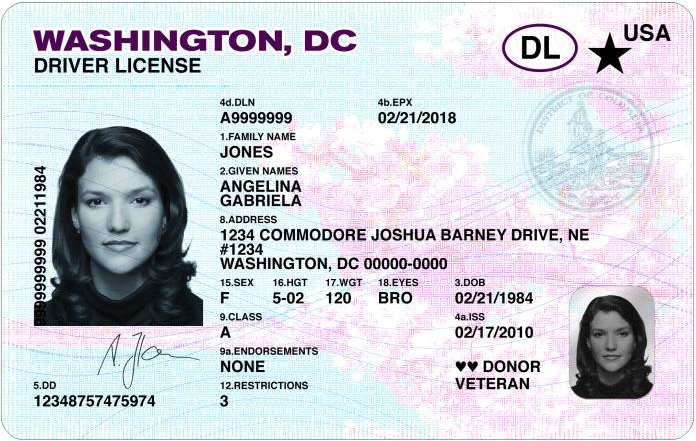
The change requires unexpired, government-issued photographic identification for all new vehicle registrations and renewals. It immediately affects who can complete registration transactions at county tax offices and how quickly some drivers can access those services.
Details of the New Photo ID Policy
The Texas Department of Motor Vehicles formalized a policy that removes acceptance of recently expired photo IDs for registration and renewal transactions. Counties must now require a valid, unexpired government photo ID at the point of service. The rule applies to both initial registrations and routine renewals, not just specific vehicle types.
County tax assessor-collector offices implement this through registration and title bulletins and in-person checks. Staff will verify ID expiration dates when processing paperwork, and transactions lacking an acceptable ID will be delayed or denied until the driver produces compliant identification.
Which Photo IDs Are Now Accepted
Acceptable documents include an unexpired Texas driver’s license and an unexpired U.S. passport. The policy also lists a Texas License to Carry ID, Department of Defense IDs, DHS and USCIS photo IDs, Department of State documents, valid visas, and permanent resident cards as valid forms.
Expired driver’s licenses or passports within a grace period no longer suffice. Drivers who previously relied on recently expired IDs will need to renew those documents before registering or renewing a vehicle. County offices may request original documents, not photocopies, so drivers should bring the physical ID.
Estimated Number of Drivers Affected
Officials and reporting estimate that over a million Texans could face barriers under the stricter verification rule. That figure comes from counts of people who hold expired credentials, non-documented residents, and those who rely on alternative ID policies previously accepted for registration.
Impacts concentrate in counties with longer appointment wait times for driver’s license renewals and in communities with higher numbers of undocumented residents. Local tax offices have reported reductions in business traffic in some neighborhoods since the change began, indicating immediate economic and mobility effects.
Immediate Effects on Vehicle Registration and Renewal
Drivers without an acceptable unexpired photo ID now encounter denied transactions at the counter, required rescheduling, or extra documentation steps. This increases in-person visit frequency for affected drivers, since many counties still require originals and in-person verification for certain transactions.
Businesses that depend on foot traffic for vehicle-related services—insurance agents, used car dealers, and local garages—may see fewer customers until affected drivers secure updated IDs. The Texas DMV’s bulletin and subsequent county communications are guiding clerks and customers through the transition, but appointment backlogs for renewals may extend delays.
Broader Implications: Legal, Political, and Social Fallout
New photo verification rules will shift who can drive, who is scrutinized by agencies, and how local governments balance public safety with civil rights. Expect direct effects on immigrant families, data-sharing between DMVs and federal agencies, and downstream impacts on insurance, enforcement, and local economies.
Effects on Undocumented Residents and Families
The rule will likely remove driving privileges from many undocumented residents who lack recent government-taken photos or authorized biometric IDs. Families that rely on one or two drivers for work, school drop-offs, and medical appointments could lose income and face added childcare or transportation costs. Children, elderly relatives, and workers in low-wage jobs are the most immediately affected.
Community organizations and legal clinics will see more demand for assistance with alternate transportation, license reinstatement pathways, or petitions for relief. Local courts may handle more traffic-related citations as individuals continue to drive without updated documentation. That can increase fines, license suspensions, and long-term legal consequences that disrupt family stability.
Immigration Enforcement and DMV Data Sharing
State DMVs that begin requiring newer, government-captured photos may expand data integration with federal systems. If DMVs share photos or identity flags with immigration databases, ICE and other immigration enforcement entities could use that information for investigations or detainers. That raises constitutional and privacy questions, especially where state law limits cooperation with federal immigration actions.
Legislators could introduce bills mirroring the Save America Act or other measures mandating proof-of-citizenship checks tied to voter rolls and license issuance. Election officials will watch whether tightened ID rules trigger parallel demands to cross-check DMV records against voter registration lists. Legal challenges are likely where state statutes or court precedents restrict automatic data transfers to federal immigration authorities.
Public Safety, Insurance, and Economic Consequences
Removing over a million drivers from legal status on the road would affect traffic safety, insurance markets, and municipal revenue. Fewer licensed drivers can reduce participation in mandatory driver education and certified testing, possibly increasing unlicensed driving and uninsured-vehicle incidents. Insurers may raise premiums or deny coverage in areas with spikes in uninsured drivers, shifting costs to insured households.
Local economies could lose productivity when workers miss shifts or travel longer to commute. Municipalities will see changes in fine revenue and DMV processing workloads. Election administration could face pressure to adjust voter-roll maintenance if state leaders push to use DMV updates for voter registration verification, with election officials balancing accuracy against disenfranchisement risks.
More from Steel Horse Rides: