
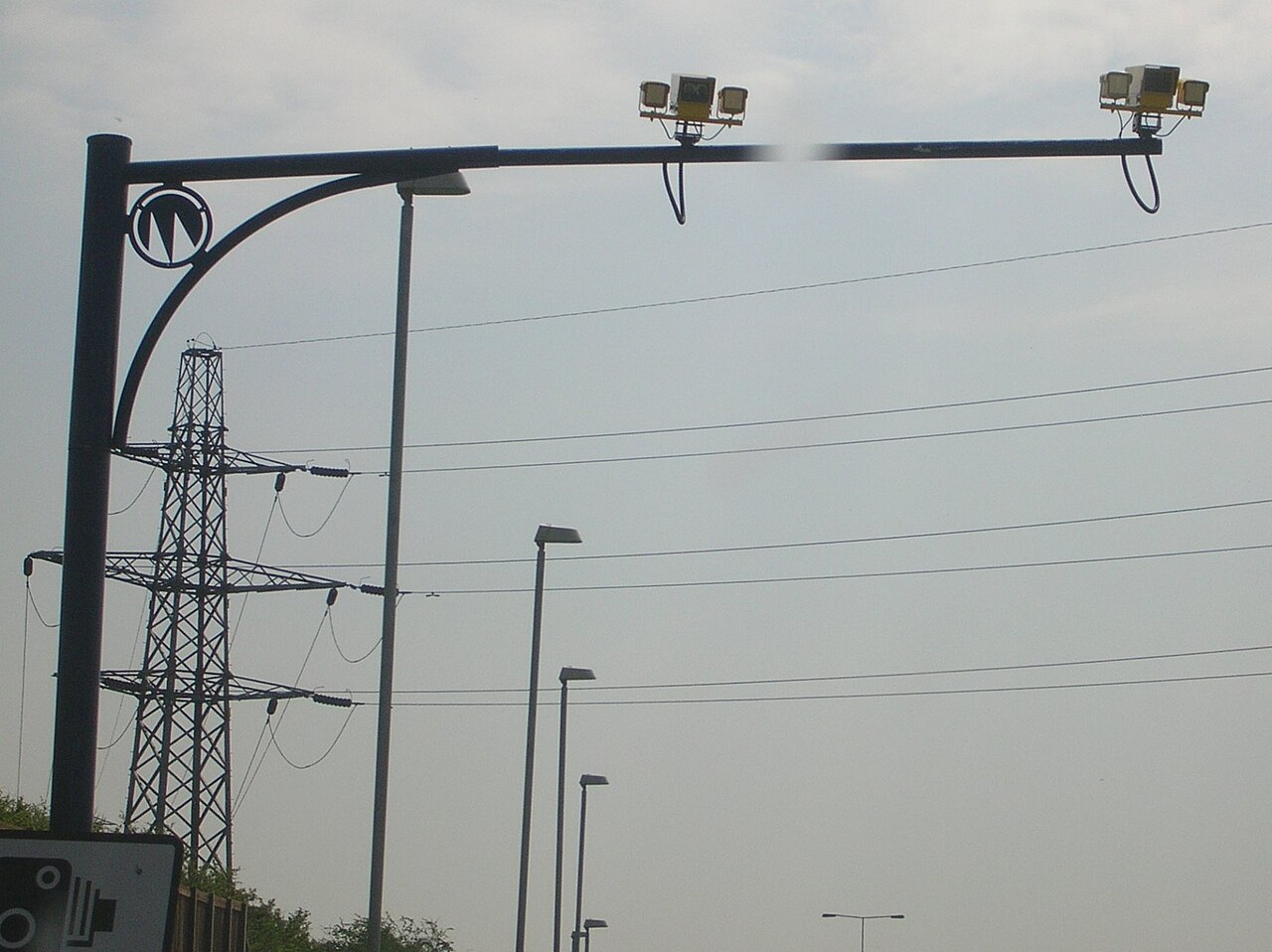

You have only days to adjust before automated speed cameras start mailing notices for violations, and that timeline matters if you drive through designated school zones, safety corridors, or streets with prior illegal speed contests. Expect warning signs and a short education period first, but tickets will follow once cameras begin enforcing speeds 11 mph or more over the limit.
They can change how you plan routes and manage speeding risk, especially in the six California cities piloting the program. The next sections explain which locations qualify, the ticket thresholds and fines, and practical steps drivers can take to avoid mailed notices and handle one if it arrives.
Key Details of the New Speed Enforcement Program
The program uses automated cameras on high-risk state corridors and work zones to measure speed, issue civil notices, and collect fines by mail. Motorists will see advance signage and digital speed displays where devices are active.
How Automated Speed Enforcement Works
Automated speed enforcement uses camera pairs or average-speed systems that capture a vehicle’s license plate and timestamps as it passes fixed points. The system calculates speed by dividing distance by travel time; images and the license plate number create the record used to issue a civil notice. Cameras may include fixed units, mobile trailers, or integrated corridor systems like those already used in other states.
A vendor reviews images to confirm plate legibility and that the vehicle exceeded the posted limit before a notice is issued. These systems do not assign criminal points; they issue civil penalties to the registered owner. Digital speed sentry signs often accompany cameras to alert drivers in real time and encourage compliance before a citation is mailed.
Timeline for Ticket Issuance and Grace Period
Public notice of camera activation must occur at least 30 days before cameras go live. After public notification, officials provide a minimum 30-day warning period during which violations typically generate warnings rather than civil penalties. Notices of violation are mailed within 30 days for in-state registrations and within 60 days for out-of-state plates.
If the registered owner does not pay or dispute the civil penalty within the stated period, escalation steps can follow, including civil penalty assessment and final orders of liability. The program’s timeline aims to give drivers time to adjust while ensuring enforcement resumes promptly after the warning window closes.
Locations of New Speed Cameras
The program focuses on high-crash corridors, work zones, and school zones on CDOT-owned routes. Initial deployments include Colorado Highway 119 between Boulder and Longmont and other designated safety corridors where speed-related crashes are concentrated. Signage will be placed at least 300 feet before an active corridor and before individual cameras so motorists know a camera is ahead.
Local implementations in other jurisdictions may mirror this approach: corridor systems on expressways such as the Jones Falls Expressway (JFX/I‑83) and urban arterials could use fixed or mobile units tied to roadway improvement projects. Agencies like the Baltimore City Department of Transportation (BCDOT) and state DOTs choose sites using crash and speed data to prioritize safety and enforcement feasibility.
Types of Violations and Fines
Automated enforcement issues civil violations for speeding that vary by location type. For example, work zone or school zone violations often carry higher civil penalties than corridor speed violations. Typical fines are set amounts rather than point-based penalties; civil notices do not add driving-record points under most program statutes.
Violations include exceeding posted speed limits by a threshold (commonly 10 mph or more in work zones) or average-speed violations over a camera pair. The registered owner receives the automated traffic violation enforcement notice and is responsible for payment unless they successfully dispute the notice, show transfer of ownership, or prove the vehicle was stolen.
What Motorists Should Expect and How to Prepare
Drivers will see new warning signs, temporary speed display devices, and a short warning period before tickets start. They should expect mailed notices tied to vehicle registration and plan route adjustments or habit changes to avoid citations.
Notification and Signage Requirements
The city will post conspicuous signs at every street or corridor where automated speed enforcement cameras operate. Signs will list the camera start date, the speed threshold that triggers a violation, and a contact number for the Baltimore City Department of Transportation. Temporary digital speed sentry signs may display a driver’s current speed and flash when they exceed the posted limit.
Motorists who travel the JFX or other expressways should watch for advance notices at on-ramps and major intersections. Agencies must also provide a grace period of warnings for several weeks before issuing fines, and the first mailed notices will include photos and calibration data required by law.
Tips for Avoiding Citations
Reduce speed by 5–10 mph below posted limits in camera zones, especially on narrow urban streets and near schools. Use cruise control on longer stretches like the JFX to maintain a steady, legal speed and avoid momentary lapses that cameras capture.
Plan routes to avoid camera clusters during peak hours when possible. Check the Baltimore City Department of Transportation website or local maps for camera locations and scheduled expressway improvements that change speed limits. Keep vehicle registration information current — mailed violation notices go to the registered owner. If a motorist believes a notice is incorrect, they should preserve timestamped trip logs or dashcam clips before contesting the citation.
Use of Funds Collected From Fines
Fines from the program will be earmarked for specific road-safety projects rather than general revenue. Typical allowable uses include pedestrian safety improvements, traffic-calming curb extensions, and funding for automated speed enforcement program operations managed by the city.
Expect allocations toward expressway improvements where cameras and the JFX camera system reduce crash risk, plus maintenance of digital speed sentry signs. The municipal budget documents or Baltimore City Department of Transportation updates will list precise projects and timelines for spending.
More from Steel Horse Rides: