
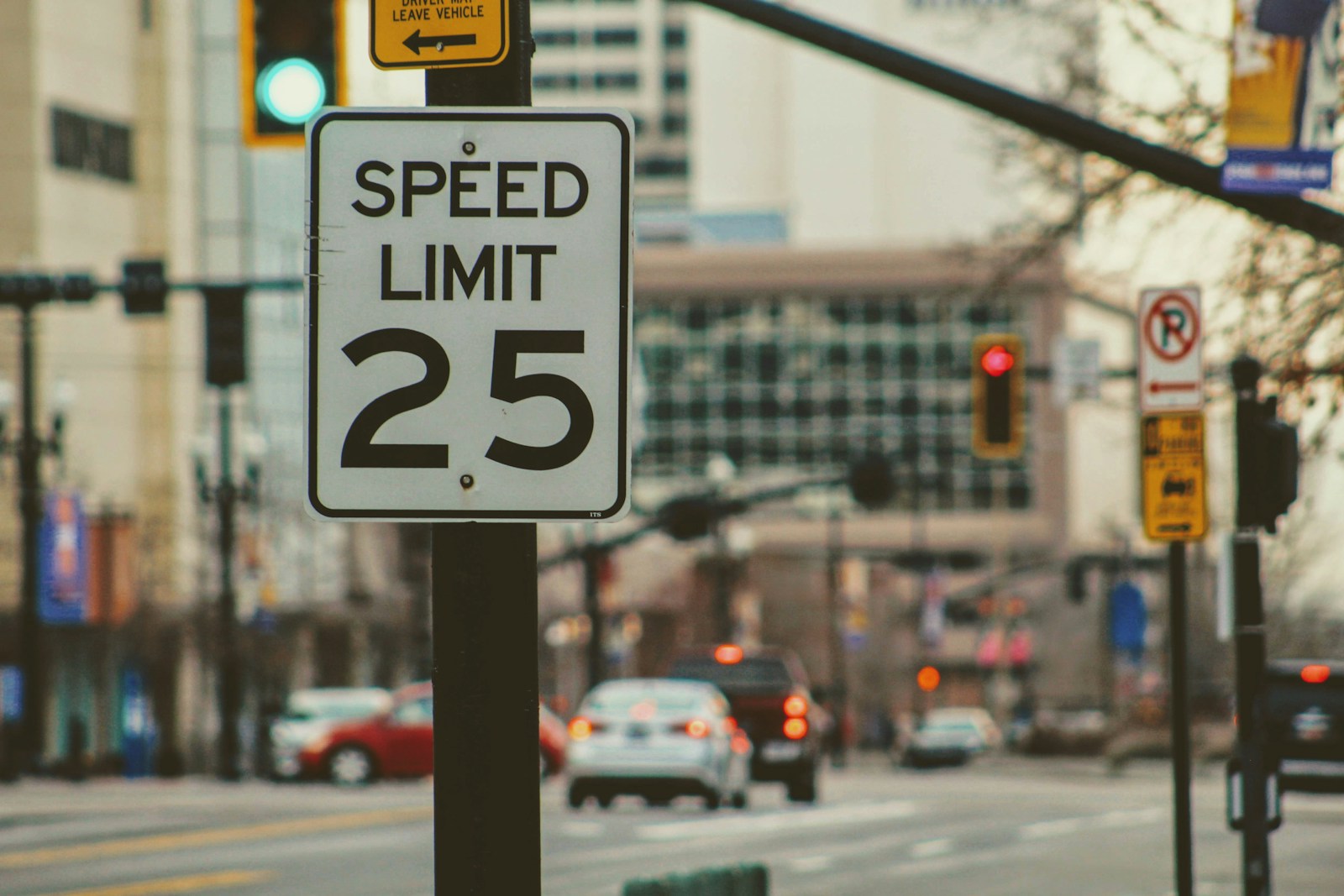

Starting this spring, a driver doing 40 in a 25 zone near a Los Angeles elementary school won’t need a police officer watching to get a ticket. A camera bolted to a pole will clock the speed, photograph the plate, and generate a citation that arrives in the mail days later. No traffic stop. No interaction. Just a fine.
Los Angeles is one of six California cities now launching automated speed camera programs under Assembly Bill 645, a 2023 law that authorized a five-year pilot. Oakland, San Jose, Glendale, Long Beach, and San Francisco round out the list. Together, they represent the largest coordinated speed-camera rollout in the state’s history, and they are going live at a moment when cities across the country are wrestling with the same question: Can automated enforcement actually make streets safer, or does it just make driving more expensive?
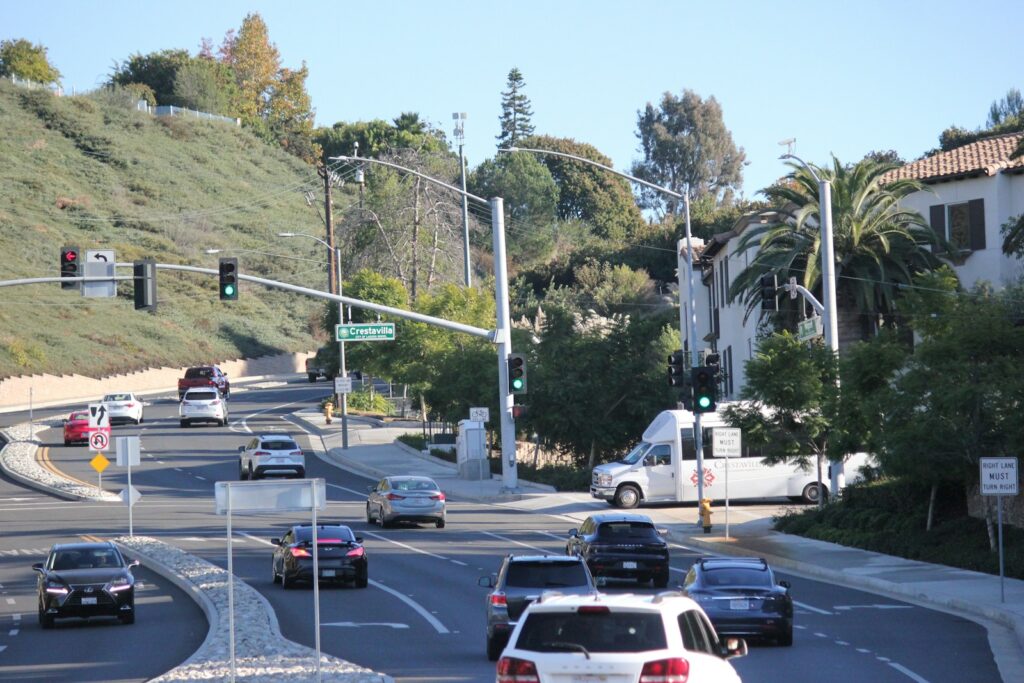
Oakland’s cameras are already issuing tickets
Oakland moved first. The city’s Department of Transportation, not the police department, installed cameras at 18 high-crash corridors and began a 60-day warning period in late 2024. By early 2025, those cameras were generating real citations. As of March 2026, the program is fully operational, and the city says the devices capture only license plates, not drivers’ faces.
That distinction, civilian agency running the program rather than police, is deliberate. Under AB 645, participating cities must keep enforcement separate from law enforcement databases and are barred from using camera footage for purposes beyond speed violations. Oakland’s program page emphasizes that the cameras target streets with documented histories of serious and fatal crashes, not random blocks. For residents who have watched sideshow culture and late-night street racing persist for years, the cameras represent a tool the city has lacked. For drivers who already distrust surveillance, the reassurances feel thin.
What the fines look like and who gets a break
AB 645 built in a sliding scale that separates California’s approach from the flat-fee models used in other states. A first offense for driving 1 to 10 mph over the limit carries a $50 fine. That climbs to $100 for 11 to 25 mph over, and $200 for speeds above that. Second and subsequent violations within a year are higher. Critically, the law also requires cities to offer reduced fines for low-income drivers and to direct net revenue into traffic safety improvements in the communities where cameras are placed, not into general funds.
Drivers who believe a camera got it wrong can contest the citation through California’s existing “Trial by Written Declaration” process, which can now be completed online in many jurisdictions. That option predates the camera law, but its availability matters more now that citations will arrive without a human officer who can be cross-examined about what they saw.
School zones and work zones are the national pressure point
California’s pilot is the most watched, but it is not the only expansion underway. Philadelphia has deployed speed cameras across 54 school zones, making it one of the most aggressive school-zone enforcement programs on the East Coast. New York, which has operated school-zone cameras since 2014, is extending automated enforcement to construction areas on bridges and tunnels starting in spring 2026, with citations triggered at just 1 mph over the posted limit in active work zones.
Federal policy is shaping where these cameras land. In 2024, the U.S. Department of Transportation issued guidance restricting the use of certain federal safety grants for automated enforcement. Under the updated rules, red-light and speed cameras are only eligible for federal funding in school zones and work zones. The message from Washington is clear: cameras near children and construction crews have political cover; cameras on every arterial do not.
Do speed cameras actually reduce crashes?
The evidence is stronger than critics often acknowledge, but it comes with caveats. A long-running body of research compiled by the Insurance Institute for Highway Safety (IIHS) finds that speed cameras reduce fatal and serious-injury crashes by 20 to 50 percent on corridors where they are installed. Montgomery County, Maryland, which has operated cameras since 2007, saw a sustained drop in speed-related fatalities over more than a decade of use.
The caveat is displacement. Drivers slow down where they know cameras exist and sometimes speed up a block later. That is one reason Oakland and other AB 645 cities are required to pair cameras with other traffic-calming measures, such as narrower lanes, raised crosswalks, and signal retiming, rather than relying on enforcement alone.
The equity question cities have not fully answered
Speed cameras issue tickets to license plates, not people. That means the registered owner pays regardless of who was driving, a structure that raises due-process concerns. It also means the fines fall hardest on households that can least absorb them. A $50 ticket is a rounding error for a tech worker commuting through Oakland; it is a grocery run for a family earning minimum wage.
AB 645’s income-based fine reductions are an attempt to address that gap, but the details of how cities will verify eligibility and process requests are still being worked out in several jurisdictions as of April 2026. Advocacy groups like the ACLU of Northern California have urged the state to publish demographic data on who is receiving citations and where, so the public can judge whether the cameras are protecting vulnerable road users or disproportionately taxing vulnerable communities.
That transparency will ultimately determine whether automated speed enforcement earns lasting public support or becomes the next flashpoint in the long-running American argument over who the roads are really for.
More from Wilder Media Group: