

Across the United States and Europe, 2026 is shaping up to be a turning point for how vehicles are checked, tracked, and kept safe on the road. Some drivers will see long‑standing inspection programs scaled back or scrapped, while others will face tougher checks and new technology requirements. The result is a patchwork of rules that could easily surprise motorists who assume the system will look the same as last year.
From changing sticker colors in the Mid‑Atlantic to the end of annual inspections in parts of New England and stricter digital oversight in Europe, the common thread is a shift toward targeted enforcement and tech‑driven monitoring. Anyone who drives regularly, whether in a family SUV or a light commercial van, will need to pay closer attention to the fine print before 2026 is fully underway.
States roll back inspections while tightening visibility and enforcement
In the Mid‑Atlantic, drivers in Virginia are not losing safety checks, but they will notice their windshields look different. State officials have detailed how Updated Inspection Stickers will roll out, with blue safety decals starting in 2026 and a new combined format that also tracks rejection status. Separate reporting notes that Virginia safety inspection and rejection stickers will cycle through a color schedule through 2029, a small but deliberate change meant to help officers quickly spot expired or problem vehicles in traffic.
The shift is even more visible in how rejected vehicles are flagged. A separate update explains that VSP will move rejection stickers from pink to white in 2026, with a design that is harder to miss and easier to track. The idea is that a driver who fails inspection will not be able to blend into traffic as easily, even as the underlying inspection checklist remains familiar. For motorists who have grown used to glancing at their own windshield only once a year, these cosmetic changes could be the first sign that enforcement is becoming more visual and immediate.
New Hampshire and Missouri scale back checks, but police and tech fill the gap
Further north, the most dramatic change is in New Hampshire, where lawmakers have voted to end annual safety inspections and emissions testing. Local officials have explained that under the latest state budget, the Termination of NH will take effect at the end of January 2026, with emissions potentially ending earlier if regulators secure a federal waiver. One widely shared summary notes that, As of January 31, 2026, the number of states requiring annual vehicle inspections will drop from 14 to 13, after the governor signed a budget that included a repeal of mandatory checks, a move that some advocates say could leave older vehicles on the road longer than they should be.
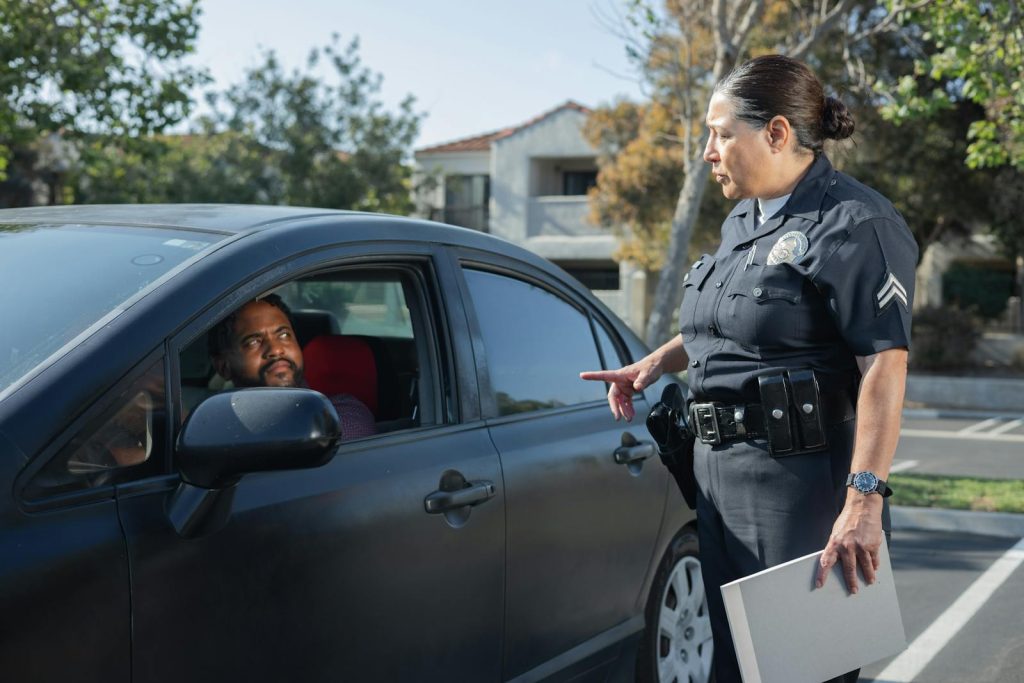
Police are already signaling that the end of the sticker does not mean the end of scrutiny. A detailed radio report, labeled New Hampshire Public and By Todd Bookman, notes that officers will still enforce equipment rules and can pull over vehicles with obvious defects, with the audio segment clocking in at 4:39 and a reference to 41 and 39 in the listening controls. A separate civic notice framed as As of January captures the political split, with the New Hampshire Automobile Dealers Association warning about safety and House Republican Caucus members calling the old system a “scam” that led to unexpected $1000 repair bills. Drivers who have long treated the inspection station as their annual safety backstop will now have to rely more on their own maintenance schedules and the possibility of a roadside stop.
In the Midwest, Missouri is not scrapping inspections entirely, but it is cutting them back. A legislative roundup describes how Vehicle Safety Inspections will reduce how often many vehicles need to be checked, a change pitched as relief for households and small businesses. At the same time, a Department of Revenue from The Missouri Department of Revenue, or DOR, stresses that drivers are still responsible for keeping vehicles roadworthy and that law enforcement can act when obvious safety issues appear on the road.
Tech, Europe and fleets point to a more digital future for inspections
While some U.S. states are loosening traditional checks, Europe is moving in the opposite direction, with a strong tilt toward digital oversight. A detailed briefing on New EU transport rules explains that the European Union is consistently tightening standards on cross‑border freight, including clearer grounds for vehicle detention during foreign inspections. A separate overview of Dec driving rules highlights stricter emissions, brake and tyre particle controls as part of a longer transition period towards fully electric mobility, meaning that even relatively new combustion‑engine cars will face more detailed checks on what comes out of their exhausts and wheels.
More from Wilder Media Group: