

Nissan is trying to turn an early lead in electric vehicles into a full-scale reinvention of how it designs, builds, and connects its cars. The company is tying its next wave of products to a broader push on software, energy services, and manufacturing efficiency, betting that a sharper focus on technology can restore growth and profitability. That strategy is starting to take concrete shape in new business plans, fresh EVs, and a pipeline of battery and charging innovations aimed at the second half of the decade.
Central to this shift is a promise to electrify a large share of Nissan’s lineup while keeping prices within reach of mass-market buyers. From the latest iteration of the LEAF to upcoming hybrids and plug-in models, the automaker is trying to prove that an electrified future can be both technologically ambitious and commercially realistic.
The Arc and Ambition 2030: Strategy for an Electrified Decade
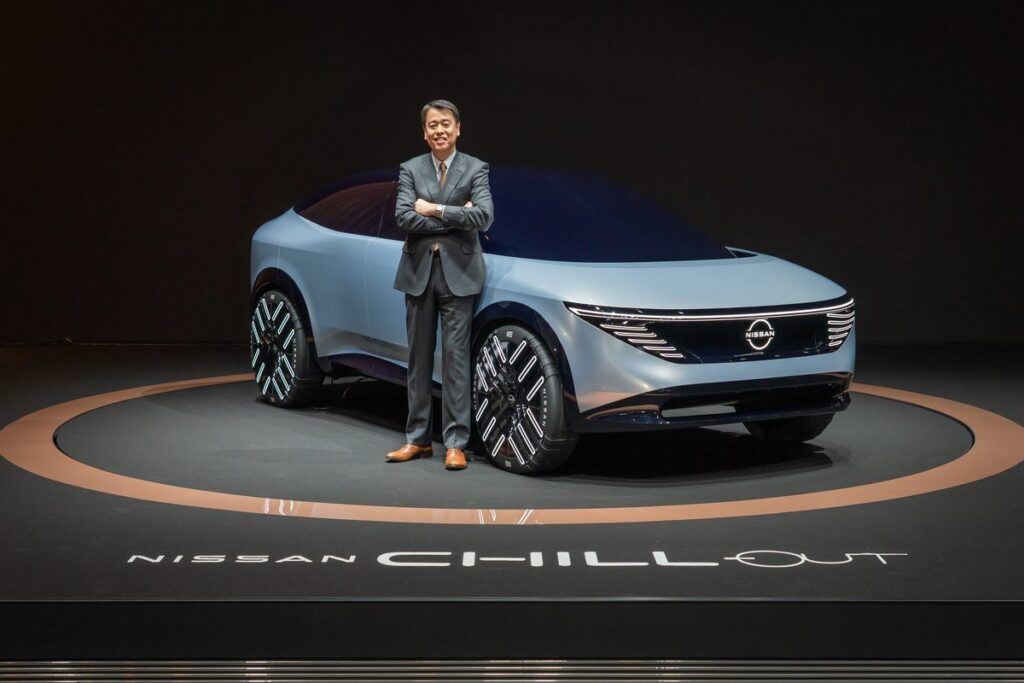
Nissan has framed its next phase of growth around two connected road maps, Ambition 2030 and a newer business plan called The Arc. Ambition 2030 sets the long-term vision for a fully electric lineup and a broader mobility ecosystem, while The Arc focuses on the nearer term, targeting an additional 1 million unit sales compared with fiscal year 2023 and an operating profit margin of more than 6 percent. The company describes The Arc as a bridge from its current model mix to a future where electrified vehicles and new services drive both volume and earnings, with a balanced product portfolio intended to support that shift.
According to Nissan, The Arc is designed to accelerate investment in electrification and new business opportunities while keeping a close eye on cost discipline and capital efficiency. The plan calls for a mix of internal combustion, hybrid, and battery electric models to match different regional needs, but with a clear tilt toward EVs as the decade progresses. Official materials on Arc business plan describe a focus on value creation, improved competitiveness, and technology that can reach price parity with conventional vehicles by fiscal year 2030, positioning the company to compete aggressively as global regulations tighten.
Future models and the next-generation LEAF
The strategic plans are already filtering into the showroom, led by a new wave of electrified products scheduled through 2027. Nissan has outlined a lineup that will include hybrid e-POWER technology, plug-in hybrids, battery electric vehicles, and advanced internal combustion engine (ICE) models, with the aim of giving customers multiple electrified options rather than a single EV track. Reporting on Nissan future models highlights that the 2025 to 2027 portfolio is expected to span both Nissan and Infiniti, indicating that the electrification push will reach across brands and segments instead of being confined to a handful of halo cars.
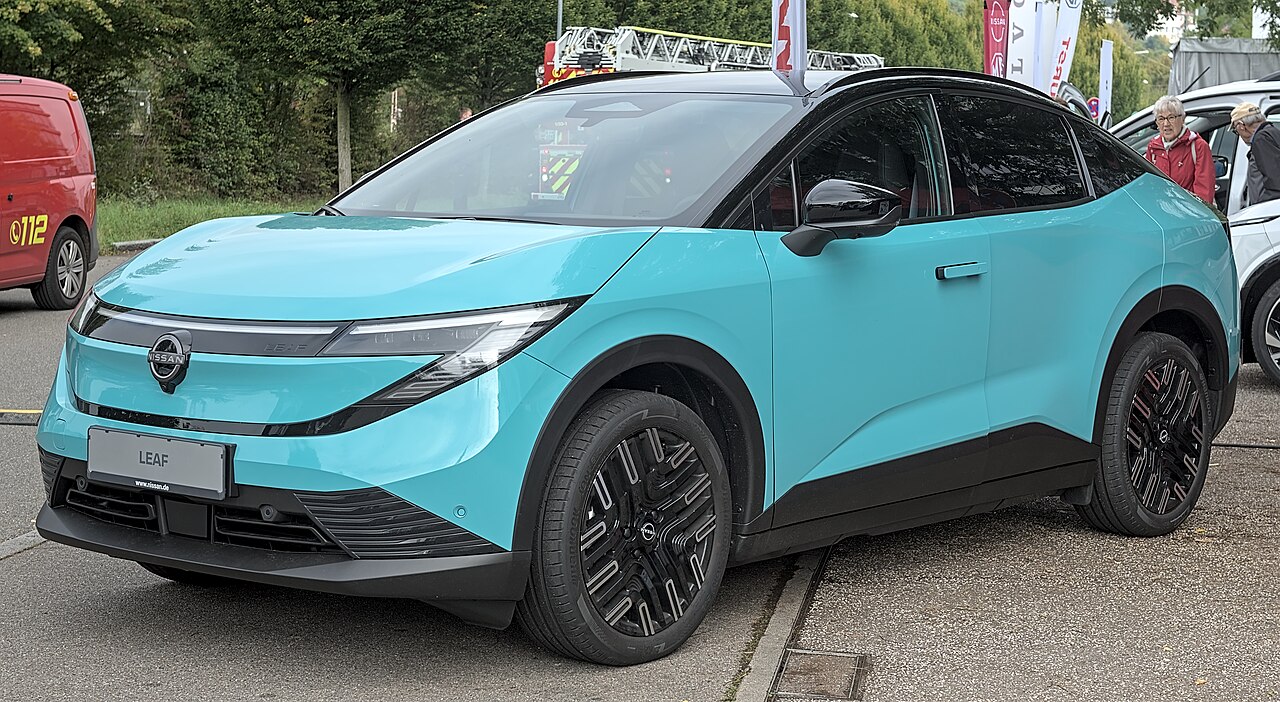
Anchoring this rollout is the all-new 2026 Nissan LEAF, which Nissan is repositioning from a compact hatchback into a more versatile crossover. Dealer materials describe the Electric Pioneer Returns and a Completely Redesigned 2026 Nissan LEAF that is No Longer Just a Hatchback, with a Revolutionary Crossover Design and an estimated range of up to 303 miles, reflecting a clear response to consumer demand for longer-range, more practical EVs. The model is being promoted as a fresh start for one of the market’s first mass-market electric vehicles, with the all-new 2026 Nissan pitched as both a technological upgrade and a symbol of Nissan’s renewed commitment to mainstream electric mobility.
Battery innovation and the solid-state race
Behind the product announcements sits an intense focus on battery technology, where cost and performance will determine whether Nissan can meet the financial targets embedded in The Arc. Industry coverage of the solid-state battery race highlights how carmakers are racing to commercialize cells that promise higher energy density, faster charging, and improved safety compared with today’s lithium-ion packs. Nissan has been cited in that competition as one of the companies working to cut EV costs and bring next-generation batteries to market, with its broader cost-cutting progress mentioned alongside solid-state developments in a roundup of top auto stories.
Although Nissan has not yet detailed a specific launch date for solid-state packs in the sources provided, its strategy documents link lower battery costs directly to the goal of achieving price parity between EVs and conventional vehicles by around 2030. That timeline aligns with broader industry expectations for solid-state commercialization and helps explain why the company is investing heavily in both chemistry and manufacturing process improvements. The Arc materials emphasize that reducing battery costs is essential to hitting the targeted operating profit margin of more than 6 percent, suggesting that any breakthrough in solid-state or advanced lithium-ion technology would have immediate strategic value.
Vehicle-to-grid and new energy services
Nissan is not limiting its electrification plans to what happens on the road. The company has announced that it will launch affordable vehicle-to-grid technology in 2026, positioning itself as the first automotive brand to offer this kind of system at scale. The initiative is framed as a way to support the transition to net zero carbon emissions while also lowering electricity bills, by allowing parked EVs to feed power back into the grid or a home during peak demand. In official communications, Nissan links this project directly to The Arc, describing the new vehicle-to-grid technology as part of the broader business plan rather than a standalone experiment.
By tying energy services to its core product strategy, Nissan is trying to turn EV batteries into revenue-generating assets instead of simple cost centers. The company presents the technology as a way to unlock new business models that could include grid services, bundled energy tariffs, and partnerships with utilities, all of which would sit alongside traditional vehicle sales. This approach also reinforces the Ambition 2030 vision of an ecosystem where vehicles, homes, and infrastructure are connected, with Nissan’s electrified models serving as mobile energy nodes rather than passive endpoints.
Manufacturing, cost discipline, and competitive pressure
Underneath the product and technology headlines, Nissan’s leadership is acutely aware that the company must improve its cost structure to stay competitive in a crowded EV market. The Arc plan calls for a more efficient manufacturing footprint, a simplified product lineup, and shared platforms that can support multiple body styles and powertrains. Analysis of Nissan Growth Strategy describes The Arc as a comprehensive strategy that aims to balance investment in electrification with new business opportunities, while still delivering improved profitability.
Dealer-focused commentary on Ambition 2030 reinforces that message, portraying Nissan Moves Full Steam Ahead with Ambition 2030 as a transformative journey toward a fully electric lineup delivered at the highest level of quality the company can muster. The description of Nissan Moves Full underlines that the framework is not just about adding EVs, but about rethinking product development and manufacturing processes so that electrified models can be produced at scale without eroding margins. Combined with the targets in The Arc, this suggests a company trying to thread a narrow path between aggressive technological change and financial discipline.
More from Wilder Media Group: