
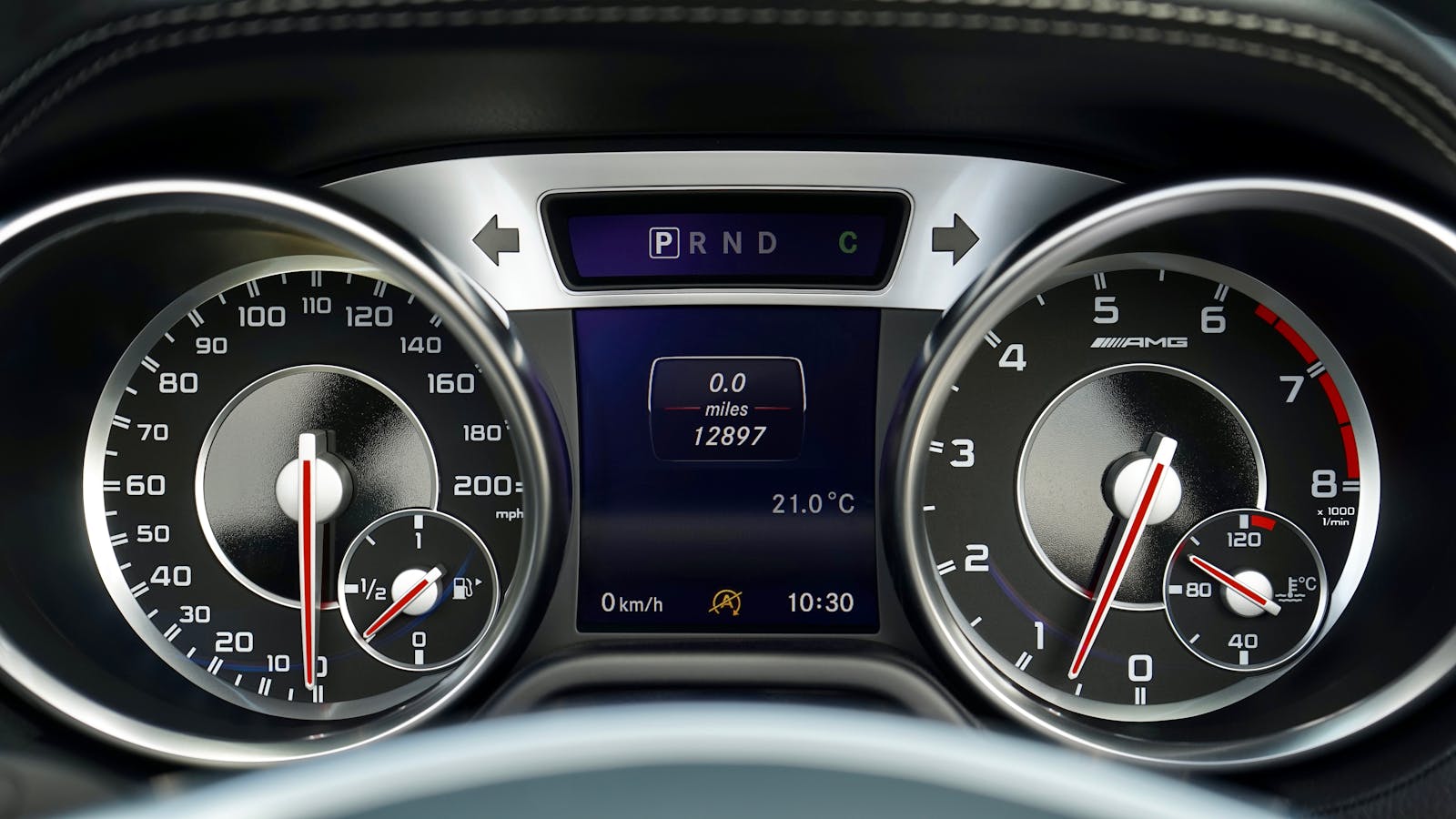

Used cars are supposed to be the budget-friendly way to get on the road, but a growing number of them are hiding a costly secret in the instrument cluster. Odometer rollbacks are climbing again, quietly inflating prices and saddling buyers with vehicles that are far more worn than the dash suggests. If you are shopping the used market, you are now navigating a risk that is bigger, more sophisticated, and easier to miss than it was just a few years ago.
The core problem is simple: when someone lies about mileage, you pay too much up front and a lot more later in surprise repairs and lost resale value. What has changed is the scale, with new data showing a sharp jump in suspected fraud, and the tools, as digital odometers and tight inventories give dishonest sellers more incentive and more ways to cheat.
Odometer fraud is climbing faster than you think

The latest numbers show that odometer manipulation is not a niche scam, it is a fast-growing business model for bad actors in the used market. Industry data flagged that Odometer Fraud Sees 14% Jump in the Past Year, a spike large enough to suggest a structural problem rather than a blip. When you zoom out, that kind of increase means hundreds of thousands of cars on the road may be showing mileage that is tens of thousands of miles lower than reality.
One major vehicle history provider has put a concrete figure on the scale of the issue, reporting that suspected odometer rollbacks have surged by 14% to 2.45 M affected cars. That is 2.45 Million Vehicles, each one a potential financial trap for an unsuspecting buyer. When you consider how many of those cars will change hands multiple times, the ripple effect is enormous, distorting prices across entire segments like high-mileage crossovers, work trucks, and older hybrids that are in high demand.
Why the used market is such fertile ground for rollbacks
You are feeling the same pressures that are driving this fraud: new cars are expensive, interest rates are higher, and you are probably stretching your budget further than you would like. Affordability pressures have reshaped the used market, pushing more shoppers toward older, higher-mileage vehicles that used to be a tougher sell. As that demand has shifted, used inventory has become more competitive, and that competition gives shady operators a clear incentive to make a 160,000 mile car look like a 90,000 mile bargain.
Digital odometers were supposed to make tampering harder, but in practice they have just changed the toolkit. Instead of pulling apart analog wheels, fraudsters now use handheld programmers and software to rewrite mileage data in minutes, often without leaving obvious physical damage. That means a 2018 Honda Civic or a 2020 Ford F-150 can be “corrected” in a parking lot, then flipped at auction or through a small lot that never asks too many questions. The combination of tight supply, strong demand, and relatively cheap hacking tools has turned late-model used cars into prime targets.
How rollback scams actually work in the real world
At the street level, odometer fraud usually follows a simple pattern: buy high, roll back, sell fast. A curbstoner or small-time dealer picks up a high-mileage car at auction, uses a device to dial the odometer down by 40,000 or 60,000 miles, then cleans up the interior so the wear looks “normal” for the new number. On older vehicles with analog clusters, that might still involve physically opening the gauge cluster and manipulating the little wheels that track mileage, a process that used to require taking the whole thing apart but is now well documented in online tutorials and underground forums.
Digital cars add another twist, because the odometer reading is often stored in multiple modules, from the instrument cluster to the body control unit. A sloppy rollback might only change one of those, which is why a careful technician can sometimes spot mismatched data with a scan tool. In some cases, scammers will even swap entire clusters from junkyard cars with lower mileage, then advertise the vehicle as a “low miles, one owner” gem. The goal is always the same: create just enough plausibility that you do not dig deeper before handing over a cashier’s check.
The hidden costs you inherit when the miles are fake
When you buy a car with a rolled-back odometer, you are not just overpaying, you are inheriting a maintenance schedule that is completely out of sync with reality. A vehicle that shows 80,000 miles but has actually traveled 140,000 may be overdue for a timing belt, transmission service, or battery replacement on a hybrid system, each of which can run into the thousands. That mismatch is why insurers and regulators treat odometer fraud as a serious financial crime, not a harmless shortcut to a better price.
The damage does not stop with repairs. A falsified odometer reading can void warranties that depend on accurate mileage, undermine extended service contracts, and crush your resale value when the truth eventually surfaces. If a future buyer pulls a history report that shows the car had higher mileage at an earlier inspection, you may find yourself explaining a “mileage discrepancy” that you never knew existed. In some states, you could even be dragged into legal trouble as the current owner of a vehicle that is part of a documented fraud chain, even if you were the original victim.
How you can spot trouble before you sign
You cannot eliminate the risk entirely, but you can tilt the odds in your favor with a few disciplined habits. Start by treating the odometer reading as a clue, not a fact. Compare the mileage to the car’s age and usage: a 2019 Toyota RAV4 with 35,000 miles might be plausible for a city commuter, but if the pedals are worn smooth, the driver’s seat bolsters are crushed, and the steering wheel leather is shiny and cracked, the story does not add up. Service stickers on the windshield, oil change receipts in the glovebox, and state inspection records should all show a steady climb in mileage, not sudden drops or long gaps.
Next, lean on technology and professionals who know where to look. A detailed vehicle history report can flag prior readings that conflict with the current odometer, especially when the car has passed through multiple states or auctions. A pre-purchase inspection by an independent mechanic is just as important, because a trained eye can spot signs of cluster removal, mismatched modules, or wear patterns that do not match the displayed miles. Some consumer advocates even walk you through how analog odometers and their little wheels can be taken apart and manipulated, as in this step-by-step video, which is a useful reminder of how easy it can be for someone with the wrong motives.
Smart shopping strategies to protect your wallet
Protecting yourself starts before you ever see the car in person. When you are browsing listings on sites like Autotrader, Cars.com, or Facebook Marketplace, be skeptical of deals that seem too good to be true for the mileage and model year. Cross-check the VIN in multiple places, including the dashboard, door jamb, and any photos of service records, to make sure you are looking at a consistent identity. If a seller refuses to share the VIN, dodges questions about maintenance history, or insists on cash only with a rushed timeline, treat that as a red flag and walk away.
Once you are serious about a specific car, slow the process down. Ask the seller to meet at a reputable shop for a pre-purchase inspection, and make it clear that the sale depends on a clean bill of health. Use that time to verify the mileage against any available records, from dealership service stamps to emissions test reports. If you are buying from a dealer, read the odometer disclosure statement carefully and keep a copy; if you are buying from a private party, create a simple bill of sale that records the mileage you were told at the time of purchase. Those documents will be crucial if you later discover that the odometer was rolled back and need to seek compensation or cooperate with an investigation.
More from Wilder Media Group: