
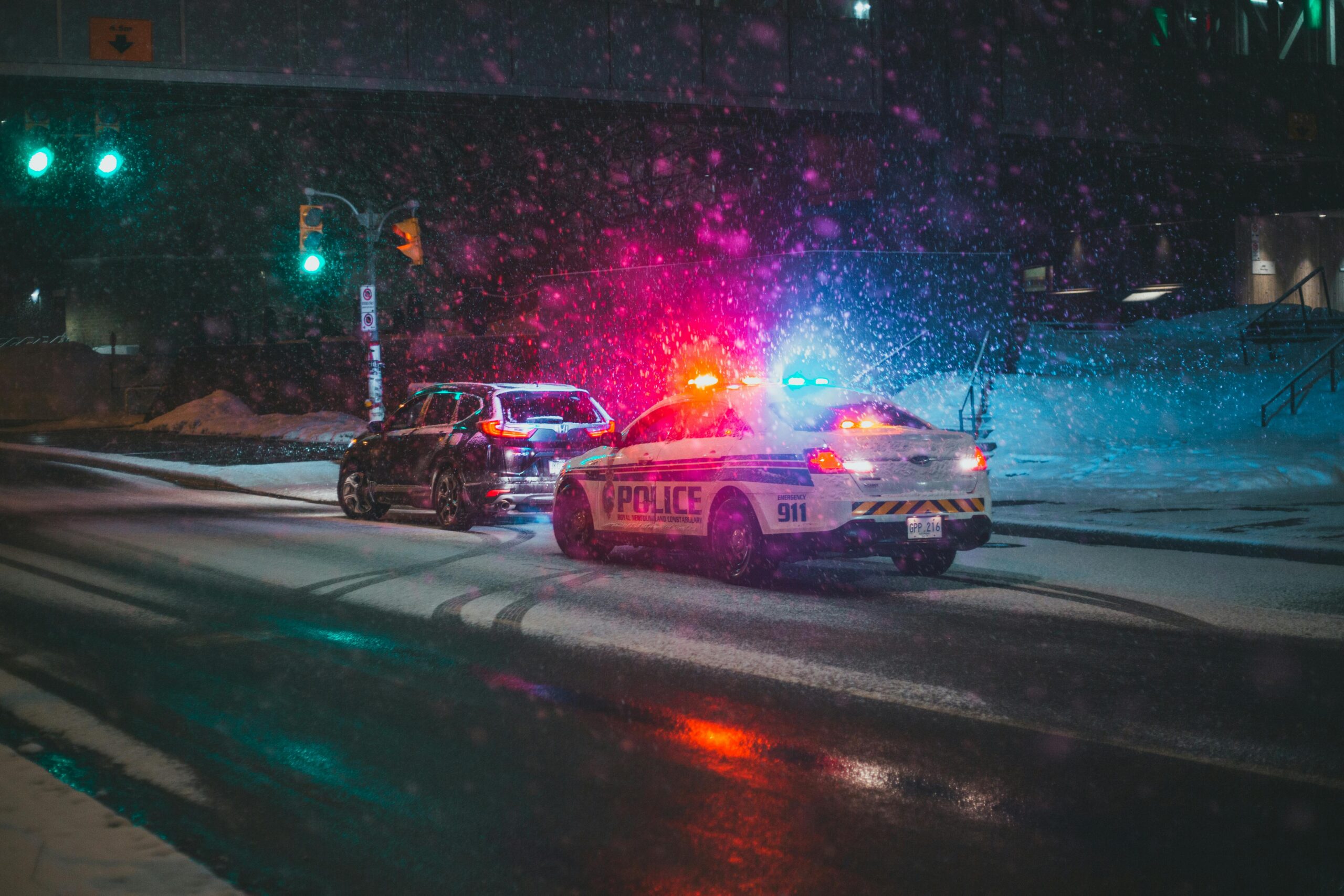

Traffic stops are supposed to be boring. An officer walks up, a driver hands over a license, and everyone grumbles about the fine on the way home. Increasingly, though, what should be a forgettable ticket is turning into a rolling crisis, with drivers flooring it instead of signing on the dotted line and officers suddenly juggling split second decisions that can end in handcuffs, hospital beds, or worse.
From small Southern towns to New England lake communities, patrol units are watching routine stops morph into pursuits that snake through neighborhoods and onto highways. The pattern is familiar: lights flip on, a driver panics, and a simple citation becomes a criminal case, sometimes in a matter of seconds.
From Flashing Lights to Full Blown Pursuits

On a quiet stretch of highway, a trooper with the Arkansas State Police expects nothing more dramatic than a speeding lecture for a Cadillac driver. Instead, as seen in a widely shared clip from Nov, the car bolts, turning what could have been a warning into a risky chase. Commenters latch onto one detail the trooper notes, that the driver has no priors, which only sharpens the question hanging over the footage: why gamble a clean record on a run that almost never works out.
The same script played out differently in Jasper, Alabama, where officers working a drug investigation tried to stop a suspect on B Street. After officers activated their lights and sirens, the driver did not pull over, instead leading a low speed pursuit through a residential area while patrol units tried to contain the risk to people watching from their porches and driveways. The Jasper Police Department later detailed that sequence and urged anyone with information to call the listed number, After the arrest underscoring how quickly a neighborhood can become a backdrop for flashing blue lights.
Small Decisions, Big Wreckage
In East Texas, a deputy from a sheriff’s Office pulled over a driver in what looked like a standard roadside chat, the kind law enforcement trains for regularly. Body camera and dash footage later shared on social media show how fast that calm evaporated when the driver chose to flee, turning a routine traffic stop in East Texas into a high stakes pursuit. One viewer’s blunt comment, “Just give up,” captured the exasperation many officers voice privately when a driver trades a manageable ticket for a dangerous sprint.
Oklahoma officers saw the same split second choice play out on a bigger scale when a 20 year old driver refused to stop in Chouteau. What began as a traffic stop turned into a high speed pursuit through Chouteau and into Pryor Creek, with officers deploying stop sticks and eventually boxing in the vehicle near a barricade. The chase, detailed by reporter Sierra Joslin, ended with the 20 year old facing a stack of charges that dwarfed whatever citation might have been written on the shoulder.
In Georgia, deputies with The Fayette County Sheriff’s Office watched a similar escalation unfold after a report of a stolen SUV. Officials said the teen behind the wheel refused to stop, leading a pursuit that only ended when the stolen SUV flipped, scattering debris and sending a clear message about the cost of running. The teen now faces multiple felony and traffic charges, according to Officials, a far heavier legal hit than the original theft report alone would have carried.
Social media has turned some of these moments into viral cautionary tales. In one clip labeled “A Simple Ticket… She Turned It Into a Police Chase,” viewers watch a driver ignore commands, accelerate away, and eventually get pulled from the car in handcuffs. The video, tagged with phrases like Simple Ticket, She Turned It Into and Police Chase alongside Arrest and Bodycam, has been shared widely through a Brazilian restaurant page, Pizzaria Italiana, a reminder that these decisions are now dissected far beyond local courtrooms.
The Money, the Fear, and the Policy Gap
Ask drivers why they run and the answers often sound irrational until the financial math comes into focus. In Morgantown, West Virginia, court records describe a man who admitted he led law enforcement on a chase that hit speeds of more than 150 m through multiple counties because he said he could not afford a ticket. The account, shared in a widely discussed post about the Morgantown case, reads like a dark joke, but it tracks with what reform advocates say about how fines and fees can warp behavior.
Those advocates argue that the way cities and counties lean on tickets to pad budgets is not just unfair, it is dangerous. When someone cannot afford to immediately pay a ticket, they can be pushed into a cycle of poverty and punishment that includes license suspension and even arrest and jail for missed payments or court dates. That dynamic, laid out by reformers at When they describe “policing for profit,” helps explain why a driver staring at a citation might see not just a fine, but a threat to their job, their car, and their freedom.
More from Wilder Media Group: