

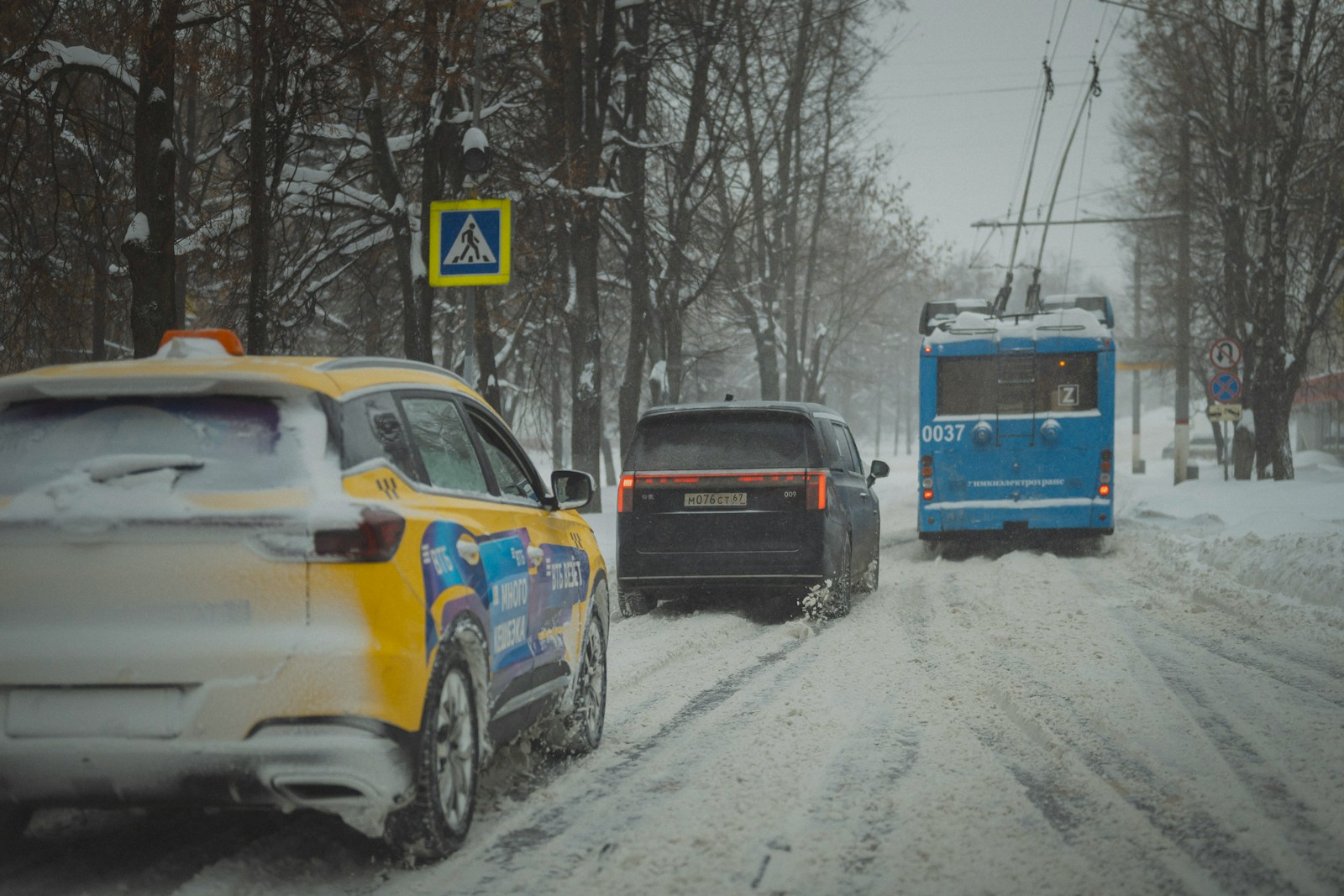
You face new, enforceable chain rules that can affect whether you reach your destination or get turned around at a mountain pass. Carry appropriate chains or approved traction devices and know the posted requirements before you drive into high-elevation or winter-affected routes.
They’ll explain which stretches now require chains, when enforcement begins, and how to avoid fines or delays by preparing vehicle equipment and travel plans. Expect clear steps on what to carry, how to install chains safely, and where to check current road controls before you go.
Immediate Enforcement of Winter Chain Requirements
Officials activated chain controls immediately and began checking vehicles at known choke points. Drivers must be ready to stop, show or install chains, and follow posted instructions at chain control locations.
Key Enforcement Dates and Regions
Enforcement starts now in many mountain corridors and will run through the typical winter season in each state. Colorado enforces chain laws from September 1 through May 31 on many high-country routes, including the I-70 carry requirement between Golden and Dotsero. California posts chain control signs and operates checkpoints in Sierra Nevada and other high-elevation passes when storms move in. Washington, Oregon, Nevada and other mountain states trigger controls based on conditions rather than a single calendar date.
Travelers should watch department of transportation web pages and roadside message signs for real-time updates. Checkpoints usually appear at pass entrances or valley approaches where motorists can safely pull over to install chains.
Who Must Comply: Vehicle Types and Exemptions
Commercial vehicles face the strictest rules. Heavy trucks often must carry chains and, when controls are posted, install them on drive axles; failure can bring large fines or being turned back. Passenger cars, SUVs and light trucks must comply with posted chain requirement levels: some levels require chains on drive axles, others require chains on all vehicles, with limited exceptions for 4WD equipped with approved snow tires.
States may exempt certain emergency vehicles and maintenance equipment, but exemptions vary. Drivers should confirm whether their vehicle class is treated as a commercial motor vehicle under state chain law before traveling.
State-by-State Chain Law Differences
Chain laws differ by what they require drivers to carry, when they must install chains, and which devices are acceptable. Colorado’s detailed tiered penalties and mandatory carry zones on I-70 contrast with California’s three-tier chain control system and its use of checkpoints. Oregon and Washington set specific requirements and heavy fines for noncompliance, while Nevada’s controls activate only when message signs indicate chain requirements.
Acceptable traction devices also vary: some states accept cable chains or textile traction devices, others require traditional link chains. Motorists should review their route states’ official winter driving guidance online—such as Colorado’s chain law information—and carry equipment that meets the strictest rule they will encounter.
How to Prepare for Winter Travel
Drivers should carry approved traction devices, know how to install them, and plan for chain-control checkpoints and chain-up areas before entering mountain routes. Checking tire condition, vehicle weight limits, and local regulations prevents fines and unsafe delays.
Choosing Approved Traction Devices
They must pick devices that meet California Vehicle Code §605 definitions or local jurisdiction rules. Acceptable traction devices include traditional link-type tire chains, cable chains, textile “autosocks,” wheel-hub-attached chains, and automatic tire chains. Each device will list size compatibility and vehicle weight limits on the packaging; drivers should match that to the vehicle’s tire size and gross vehicle weight rating.
Commercial drivers must verify commercial vehicle chain law specifics and carry heavier-duty link chains sized for duals or super single tires. Always carry a second set for trailers when the rule requires chains on trailer axles.
Understanding Chain Types and Installation
Link chains offer the strongest traction: cross-chain patterns work best on deep snow and ice. Cable chains are lighter and easier to install but give less bite in heavy conditions. Textile traction devices like autosocks are quick to fit and reduce pavement wear; they may not be sufficient under R‑3/require-all conditions.
Practice installation in the driveway before a trip. Key steps: park on a flat pullout, engage parking brake, lay chains flat to remove twists, drape over the top of the tire, drive forward a few feet to seat the chain, then tighten with fasteners or tensioners. Use manufacturer instructions and carry a tensioner and gloves. Many Caltrans pages show chain diagrams and placement for different vehicles; drivers should review diagrams specific to their axle layout.
Chain-Up Areas and On-the-Road Tips
Chain-up areas appear before checkpoints and at safe pullouts; they will be signed and sometimes monitored by CHP. When approaching, slow to posted speeds (often 25–30 mph in control zones), pull fully off the travel lane, and position the vehicle so installing chains won’t block traffic. Never stop in a travel lane to install traction devices.
Carry emergency items: shovel, traction mats or wheel sanders, warm clothing, water, flashlight, and a charged phone. If an officer deems a device inadequate, they may require a different device or deny entry until a compliant setup is shown. After passing the control, remove chains at the next safe turnout and inspect for damage before resuming highway speeds.
Alternatives to Chains: Studded Tires and More
Studded tires provide consistent grip on ice but are restricted seasonally or by location; check local rules before relying on them. They often require a permit or are allowed only during designated months. Snow tires with aggressive winter tread improve traction without chains but may still be insufficient under strict chain-control levels.
Automatic tire chains and wheel-hub systems install once and deploy from under the vehicle; they suit frequent mountain travel but must be certified for the vehicle and road use. Wheel sanders and portable traction mats help free a stuck vehicle but do not replace required traction devices in chain-control zones. Always confirm that alternatives are listed as approved by Caltrans or local highway agencies before travel; many official pages detail which traction equipment officials accept.