
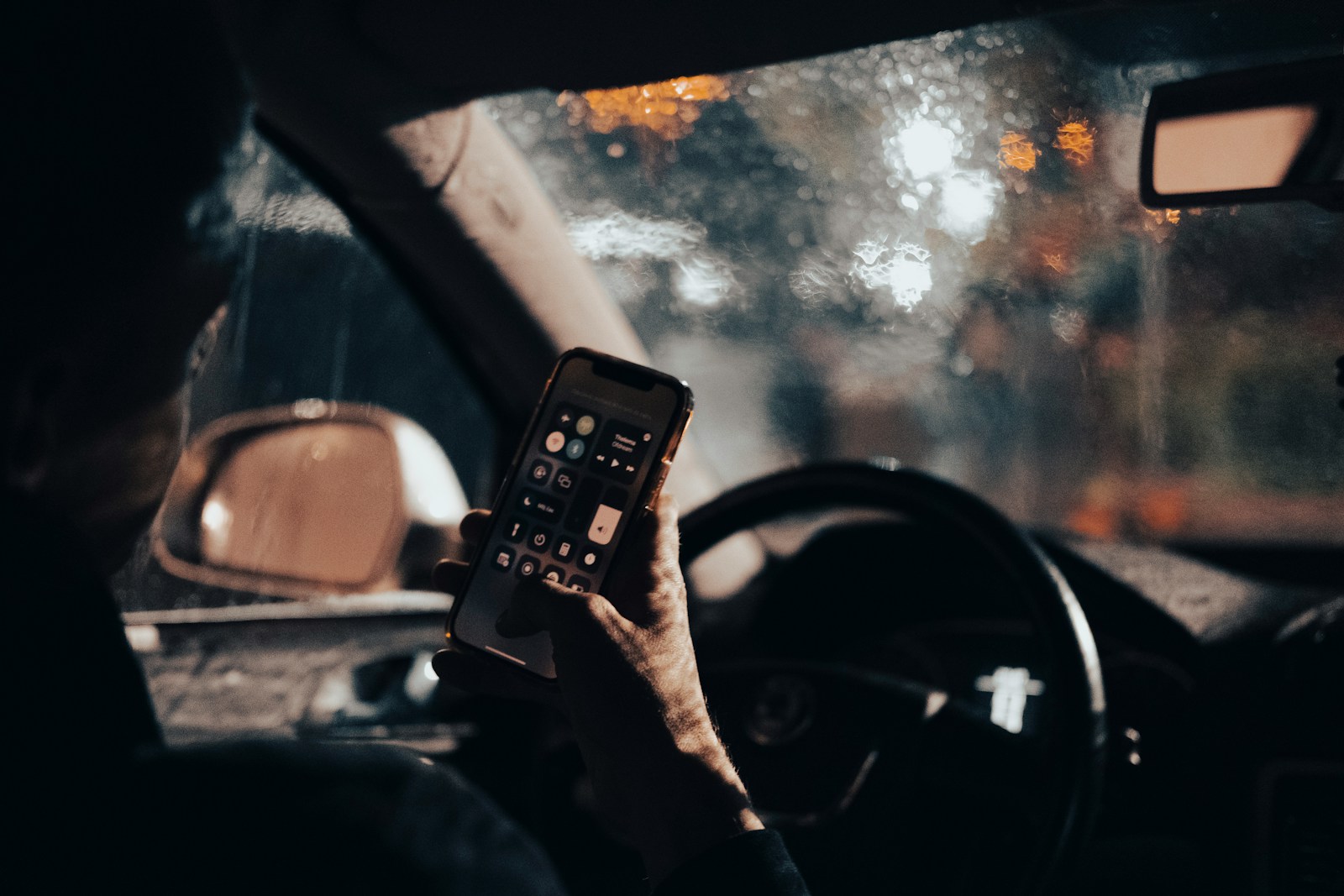

One illegal habit has quietly shifted from occasional annoyance to daily hazard: drivers treating their phones like a second steering wheel. The behavior shows up at red lights, in stop-and-go traffic, even at highway speeds, and it is colliding with a road system already strained by speed, fatigue, and impairment. As more cars fill up with screens and alerts, this mix of distraction and entitlement is turning routine trips into a gamble for everyone nearby.
Traffic data and crash reports keep circling back to the same pattern: risky driving is climbing again, and phone use behind the wheel sits at the center of it. Lawmakers are tightening hands-free rules, safety agencies are sounding alarms, yet drivers still swipe, scroll, and stream as if the laws apply only to everyone else.
The illegal habit drivers treat like a right
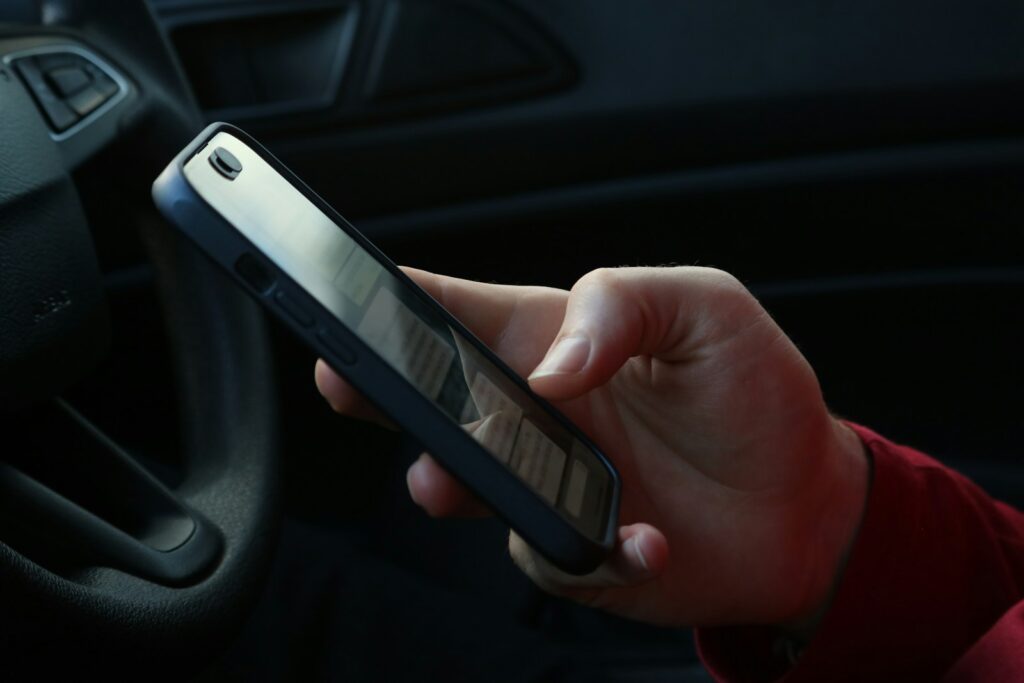
Ask any commuter what feels most dangerous on the road right now and a familiar image pops up: the driver drifting over the lane line with eyes locked on a glowing screen. That is not just bad manners, it is illegal in much of the country under handheld and texting bans, yet it has become normalized as people answer group chats, scroll TikTok, or check navigation while moving. Surveys of unsafe behavior show that risky habits such as speeding and distraction have climbed again, with one large review finding that dangerous actions like phone use, red light running, and other violations rose after an initial pandemic dip, a trend captured in recent dangerous driving data.
Safety agencies describe this as part of a broader pattern of risky driving that includes distraction, impairment, and aggressive moves like tailgating and weaving, all of which increase crash odds. Federal guidance on risky driving points to distraction as a core problem, alongside speeding, drunk or drugged driving, and failure to wear seat belts. Within that mix, the driver who insists on handling any cell phone while driving is essentially combining several hazards at once: eyes off the road, hands off the wheel, and mind on something other than the two tons of metal in motion.
What the numbers say about distraction and deadly crashes
The scale of the problem is not abstract. According to one breakdown of bad habits, Feb guidance on driving behavior cites that driving distracted is at the top of the list, and that according to the CDC, more than 3,100 people were killed and 42 were injured in distraction-related crashes in a recent year. Those figures reflect only the crashes where distraction could be confirmed, which means the real toll is likely higher, since many drivers do not admit to phone use after a wreck.
Other reviews of unsafe behavior echo the same story. Analyses of dangerous habits highlight how distraction, speeding, and aggression cluster together, with drivers who text often also more likely to tailgate or cut others off, a pattern described in a New AAA Report review. Legal practitioners who track crash causes describe unsafe behavior as a leading factor in serious injuries, with distracted driving and speeding repeatedly identified as major contributors across traffic safety reports in states like Illinois. When that kind of risk profile is paired with a phone in hand, the odds of a minor mistake turning into a major crash go up fast.
How phone use warps driver behavior in real time
On the road, illegal phone use rarely shows up as a single bad decision. It reshapes how a driver behaves from one minute to the next. A driver glancing down to read a text can travel the length of a football field at highway speed without truly seeing the road, and that gap in attention often leads to late braking, missed signals, or drifting across lines. Injury lawyers who track collision patterns describe Bad Behavior While as the number one unsafe factor in many crashes, with distraction listed alongside speeding and impairment as a recurring thread.
Researchers and instructors who study driving hazards consistently put distraction near the top of modern risks. A review of Dangerous Driving Risks to Watch in 2025 lists distracted driving, fatigue, tailgating, and speeding as core threats, reflecting how a quick look at a phone can combine with following too closely or going too fast. Another breakdown of hazards frames the pervasive problem of distracted driving as one of the leading causes of road mishaps, noting how a split-second glance at a notification can put not only other cars but also pedestrians and cyclists in the firing line, a point captured in an Apr analysis.
Lawmakers tighten the screws while drivers look away
As the risks pile up, lawmakers are not sitting still. Across the country, National Traffic Law Trends show that hands-free driving laws are more strictly enforced, with grace periods for new rules closing and officers increasingly writing tickets for drivers caught with phones in hand. One review of National Traffic Law explains that by 2026, many of the earlier warnings and educational campaigns have shifted toward real enforcement, particularly for handheld use and texting while driving. In some states, penalties now escalate quickly for repeat offenders, and officers are using unmarked vehicles or roadside cameras to spot drivers who try to hide their phones low in their laps.
At the same time, technology rules are changing inside the car itself. Federal regulators are working on advanced impaired driving technology and modernizing EDR requirements as part of a broader push to reduce serious crashes, as described in a Nov overview of future safety regulation. Meanwhile, Section 24220 of the 1,100-page Infrastructure Investment and Jobs Act, signed by President Biden, lays the groundwork for systems that can monitor driving to detect impairment, a concept that has sparked debate over privacy and cost, as described in an Apr breakdown. While these tools focus on drunk or drugged driving, the same sensors and data recorders may eventually help investigators confirm distraction as well.
Phones, drugs, speed: when bad habits stack up
Illegal phone use rarely exists in a vacuum. The driver who texts at the wheel might also be speeding to make up time, driving drowsy after a late shift, or even using marijuana or other drugs. A detailed report on fatal crashes tied to illegal substances found that a study reveals marijuana linked to 42% of deadly wrecks in the data reviewed, highlighting how Marijuana use behind the wheel can be just as deadly as alcohol. Mix that level of impairment with a driver who also feels entitled to check Instagram or stream a show on the way home, and the risk multiplies quickly.
Traffic safety researchers sometimes talk about a deadly trio of speeding, distractions, and aggression. One recent review of the deadly trio points out that drivers who treat speed limits as suggestions are often the same ones weaving through traffic and glancing at their phones between lane changes. Another analysis of risky business on the roads, produced by the AAA Foundation for Traffic Safety and based in WASHINGTON, D.C., found that more than half of all drivers fell into categories that regularly engaged in unsafe behavior, with the most common issues being speeding, distracted driving, and aggressive maneuvers. When those tendencies combine with a phone in hand, a momentary lapse can quickly turn into a pileup.
More from Wilder Media Group: