
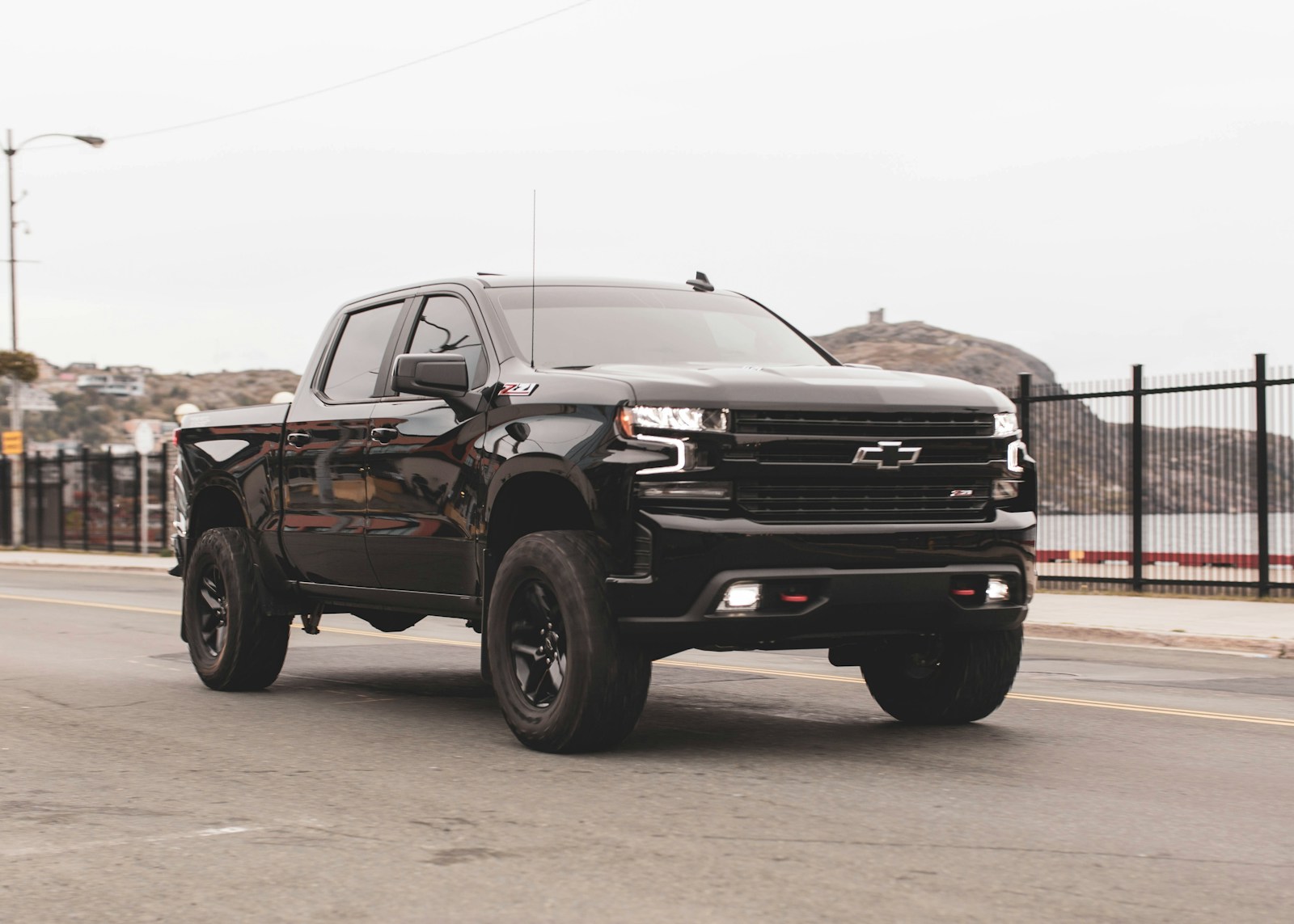

Across job sites, farm fields, and suburban driveways, a new refrain keeps popping up from frustrated buyers: their brand‑new pickups feel too plush, too digital, too precious to risk scratching on actual work. The modern truck has become a rolling lounge with a bed attached, and that shift is sparking a fierce argument over what a truck is supposed to be. Underneath the jokes about “cowboy Cadillacs” is a real tension about price, identity, and who these machines are really built for now.
That tension is not happening in a vacuum. It is colliding with record transaction prices, a booming market for high‑end trims, and a cultural story that has turned Trucks into icons of Americana even as they inch closer to luxury cars in both comfort and cost. The result is a debate that now stretches from Instagram comment sections to dealership lots and boardrooms.
The Workhorse That Learned To Wear A Suit

Pickup trucks were not born to be status symbols. Originally, they were simple workhorses, built so drivers could haul lumber, feed, and tools, and little else. They were basic, often uncomfortable, and valued because They could “transport things and get stuff done,” not because anyone admired the stitching on the seats. That utilitarian DNA still shapes how many owners think a “real” truck should look and feel.
Over time, though, the truck’s role in America’s self‑image changed. As Trucks became entwined with football, Budweiser, hamburgers, and rock n’ roll in the broader Americana story, automakers saw an opening to sell not just capability but aspiration. What started as a tool for farmers and contractors evolved into a default family vehicle and a symbol of rugged independence for suburban buyers who might never tow more than a small trailer. That cultural pivot laid the groundwork for the luxury turn that now has some longtime owners grumbling that their trucks have gone soft.
“There Is Zero Reason For This To Exist”: The Backlash Arrives
The backlash against high‑end pickups is loud, emotional, and often personal. In one widely shared reaction, a commenter looked at a lavishly trimmed truck and snapped, “There is zero reason for this exist. Just buy an Escalade or Yukon Denali. This will never be used as a ‘truck,’” a sentiment captured from Instagra. To critics, these rigs are cosplay, pickups in silhouette only, destined to shuttle kids to school while their pristine beds never see a sheet of plywood.
That anger taps into a broader feeling that the industry has abandoned the blue‑collar buyer. One analysis notes that this kind of complaint is “not an uncommon sentiment” toward fancy, expensive pickups, describing how Building a luxury truck can look like a complete waste of time to someone who just wants a durable tool. When a vehicle that once symbolized practicality starts to resemble a rolling luxury suite, it is easy to see why some owners feel their trucks have become too fancy to risk on a muddy job site.
Why Automakers Keep Turning Up The Plush
Automakers, for their part, are following the money. Research on the pickup segment finds that as individuals increasingly seek vehicles that offer versatility, the demand for trucks is rising among a demographic that values both functionality and style, a trend detailed in a market outlook on the pickup market. Post‑2019, People have even abandoned traditional cars for light pickups because they perceive the latter to be more comfortable and convenient, a shift that shows up in the booming U.S. trade in tonneau covers and other truck‑specific accessories.
To capture those buyers, brands have loaded their pickups with features that would not look out of place in a luxury sedan. One overview of the trend notes that Additionally, luxury pickups now come with heated leather seats, high‑end audio, and intuitive infotainment, often paired with accessories like tonneau covers that signal both style and practicality. Another report highlights how best‑in‑class diesel horsepower can reach up to 500 hp, with gas engines delivering robust torque, so buyers do not have to choose between power and pampering. From the industry’s perspective, the modern truck is simply meeting practical needs while matching contemporary taste.
Sticker Shock And The Luxury Arms Race
The comfort arms race has collided with a brutal reality: trucks have become preposterously expensive. Analysts point out that America‘s love affair with pickups keeps growing even as prices climb, with some well‑equipped models starting around $38,810 MSRP and climbing sharply from there. On the ground, shoppers hear the same message. In a dealership walk‑through, host Jason at JC Lewis talks viewers through rows of trucks while warning that prices have hit all‑time highs and buyers need strategies to beat the sticker shock.
Luxury trims push those numbers into territory once reserved for German sedans. One example that crystallized the shift was The Crew Cab Denali, which starts at $57,250, almost $2,000 m more than the most popular Mercedes sedan, the E 300 4Matic, with the report noting that $2,000 of extra cost buys a luxury badge that is now, in some cases, less expensive than the truck. For the wealthy, that premium buys both comfort and a rugged image. For tradespeople staring at monthly payments, it can feel like the work truck has been priced out of reach.
Inside The “Too Fancy To Work” Cab
Step into a top‑tier modern pickup and it is easy to see why some owners hesitate to toss muddy gear on the floor. One overview of over‑the‑top models notes that Ram‘s interiors have become a major selling point, with the new Tungsten trim taking that focus on comfort even further. In that package, Tungsten brings quilted leather, elaborate ambient lighting, and crisp passenger‑side displays that would not look out of place in a high‑end SUV.
Across the segment, similar details are now common. Analysts tracking the rise of premium pickups describe cabins filled with heated leather, high‑end audio, and large touchscreens, all framed as part of the Additionally upgraded experience that justifies higher prices. Another deep dive into the trend emphasizes that with best‑in‑class diesel power reaching up to 500 hp, these trucks are marketed as machines that can tow heavy loads on Friday and ferry executives in quiet comfort on Monday. For buyers who grew up with vinyl bench seats and manual windows, it is a jarring transformation.
More from Wilder Media Group: