


Over a single winter and carnival stretch, hundreds of drivers across the country walked outside expecting a dusting of snow or a parade crowd and instead found an empty curb. Parking bans that once felt like background rules have turned into aggressive towing campaigns, and the numbers are no longer small change. From festival routes to snow routes, cities are leaning on tow trucks to clear streets fast and, in some cases, pad strained budgets.
The result is a growing class of drivers who did not move their cars in time and are now stuck chasing them through impound yards, arguing over signage, and doing the math on whether an aging sedan is even worth the fees. The headline shock of “hundreds of cars towed” is not a one off; it is becoming a seasonal ritual in multiple cities at once.
Festival routes, snow routes, and a wave of tow trucks
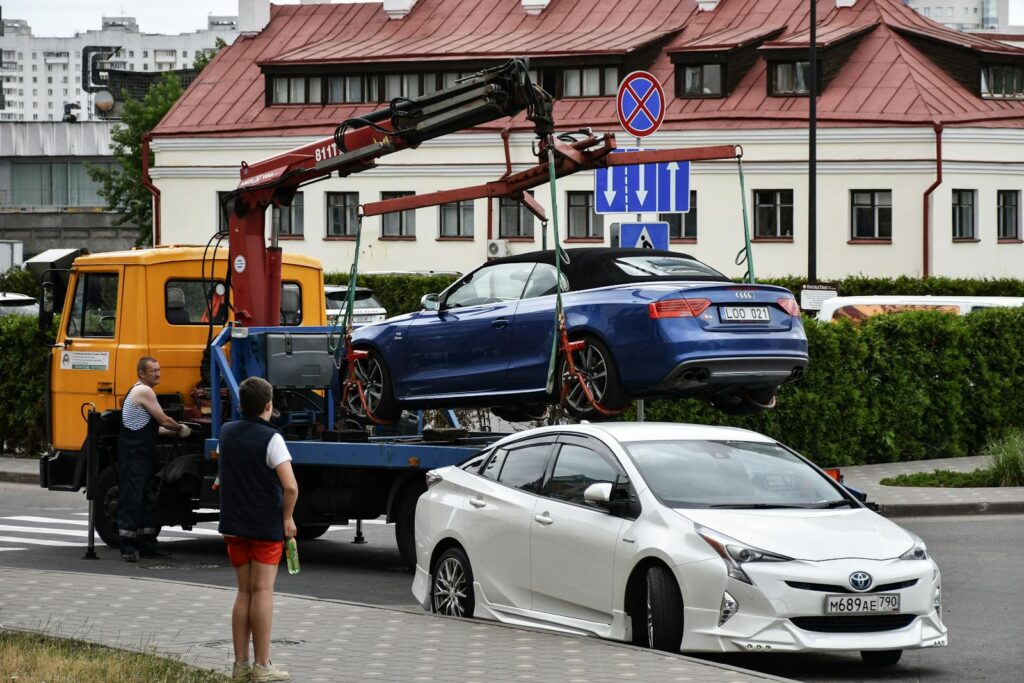
In the run up to Mardi Gras, New Orleans quietly tightened its rules on how long drivers could leave their cars near parade routes, rolling out a new four hour limit that caught plenty of locals and visitors off guard. Over the first big Mardi Gras weekend, the city towed more than 200 vehicles as part of a push that city leaders framed as both a traffic fix and a way to boost revenue. Drivers complained that the shift from an all day allowance to a four hour cap was a sudden change on long standing blocks, and that parade goers were more focused on beads and music than on freshly swapped signs warning of a tow.
The tension between safety and surprise is not unique to the French Quarter. Chicago has turned its seasonal parking restrictions into a hard line rule, with its Winter Overnight Parking kicking in at 3 a.m. and staying in place through spring regardless of snowfall. On one recent Monday, city crews hauled off nearly 250 vehicles on the second day of the season, and another night saw more than 200 cars disappear from snow routes in one sweep. For drivers who miss the small blue signs or assume a clear forecast means the ban will not be enforced, the first hint of trouble is often a bare patch of curb and a plow tracker link like Check the Chicago on their phone.
Connecticut’s snow bans and California’s quiet crackdown
Farther east, Connecticut cities have been just as aggressive when snow starts piling up. In NEW HAVEN, Conn, a single snow related parking ban led to 432 cars towed and 573 tickets written in a single weekend as plows tried to carve out lanes along Fountain St and other busy corridors. Local officials argued that the crackdown was the only way to keep ambulances and fire trucks moving, pointing to past storms where buried sedans turned four lane roads into single file slogs. Regional coverage of Connecticut snow bans has highlighted how quickly those numbers add up when multiple cities enforce at once.
Drivers in the region are learning that the rules do not stop at the city line. A quick search for New Haven or nearby Hartford pulls up layers of winter parking rules that shift block by block, and a second New Haven lookup shows just how much of the downtown grid can flip into a tow away zone once a storm emergency is declared. The message is clear, at least on paper: if a car is left in the path of a plow, it is fair game for the hook.
On the other side of the country, the crackdown looks less like a snow emergency and more like a slow, methodical sweep of long parked vehicles. In San Jose, city leaders have built a dedicated team to hunt down cars with expired tags and abandoned RVs, a move that has already produced 552 citations and 527 tows in a matter of months. A separate push is targeting oversized vehicles at specific hotspots, after city crews mapped out which parts of San Jose had the highest concentration of parked rigs. Residents can now file a Report through the city’s 311 m system, using the San Jos branded app on Apple or Android, effectively crowdsourcing enforcement on neighbors whose cars have not moved in weeks.
Sticker shock at the impound lot and the fight over fairness
For drivers caught in these sweeps, the story does not end when the tow truck pulls away. Impound fees, storage charges, and tickets stack up quickly enough that some owners simply walk away from older cars, especially when the math on a 2008 Honda Civic does not justify a multi hundred dollar bill. In New Orleans, critics of the Mardi Gras crackdown argued that towing more than 200 cars in a single weekend looked less like traffic management and more like a cash grab that fell hardest on working class residents who rely on street parking near parade routes. That frustration is amplified by the fact that a quick search for New Orleans or a second New Orleans query will show the city’s party image long before it surfaces the fine print on four hour limits.
More from Wilder Media Group: