
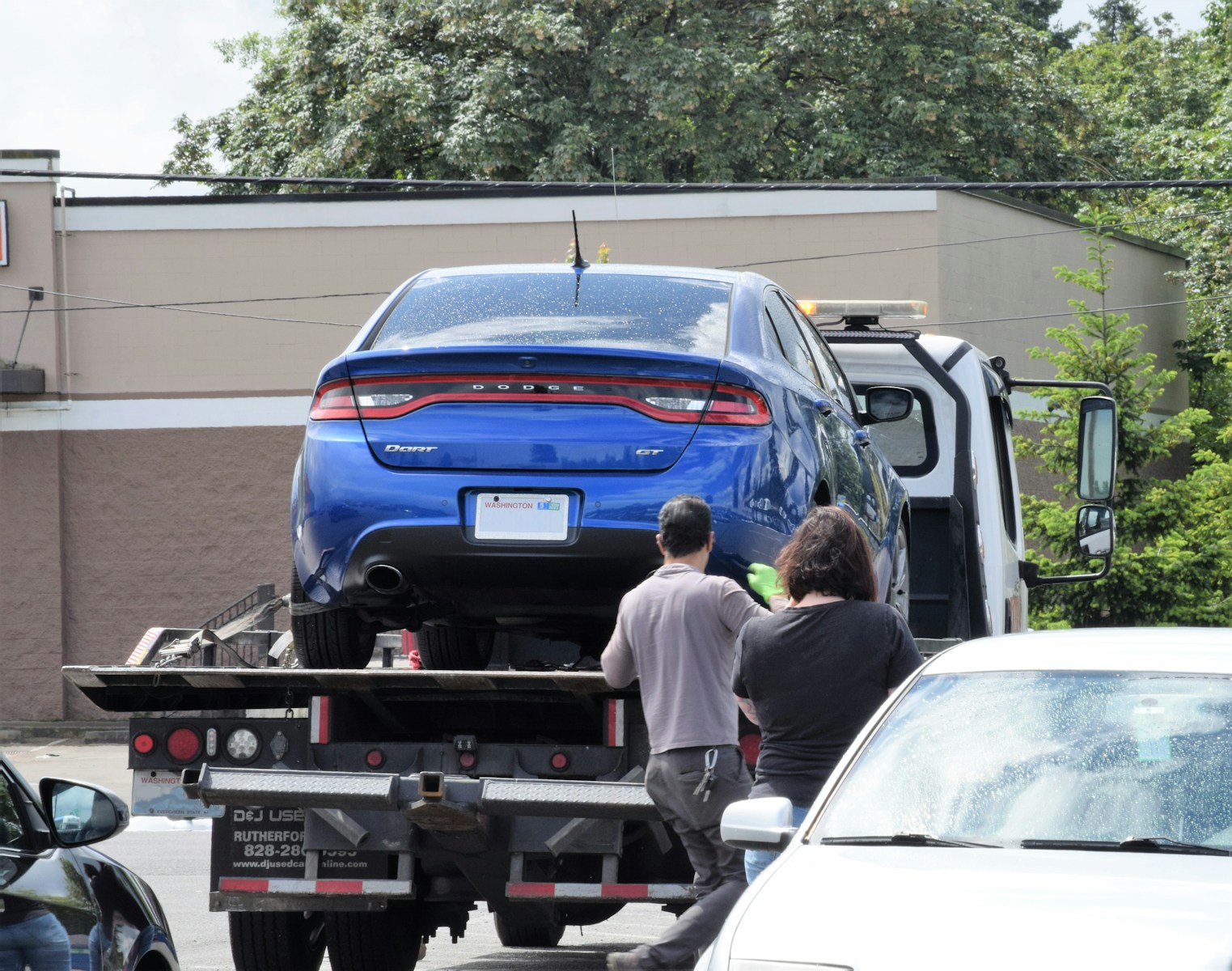

When New Haven, Connecticut, activated a snow emergency parking ban during a weekend storm in January 2025, city tow trucks removed 432 vehicles and officers wrote 573 parking tickets in a single sweep, according to the New Haven Register. Tow yards hit capacity. Plows ran curb to curb. And hundreds of residents woke up to bills that often exceed $200 before storage fees even start accruing.
New Haven’s blitz was dramatic, but it was not unusual. Cities across the Northeast and Midwest now enforce winter parking bans with an intensity that catches even longtime residents off guard. The math is straightforward for public works departments: cars off the street means faster plowing, safer emergency access, and fewer complaints about uncleared roads. For the drivers who get swept up, the math is different: a tow fee, a ticket, a cab ride to an impound lot, and sometimes a day of missed work.
Chicago’s first-night sweep
Chicago’s overnight winter parking ban took effect on December 1, 2024, and the city’s Department of Streets and Sanitation towed 227 vehicles on the first night alone, according to CBS News Chicago. Many of those cars had been parked on the same streets all autumn without issue. The rules changed at 3 a.m., and by sunrise the flatbeds were already loaded.
Chicago publishes maps of restricted streets online and local TV stations run reminders for weeks in advance. Still, the tow count on night one suggests a persistent gap between the information cities put out and the information drivers actually absorb. Part of the problem is complexity: Chicago’s ban applies to 107 miles of arterial streets, and the restricted list does not always match a driver’s intuition about which roads matter most to plows.
The financial sting is not trivial. In Chicago, a standard tow runs $150, plus $25 per day in storage and whatever ticket accompanies the violation. A car left in the impound lot over a long weekend can easily generate a $300 tab, a burden that falls hardest on renters and shift workers who may not have a garage or a driveway to fall back on.
Smaller cities, similar numbers
The pattern extends well beyond major metros. In New Bedford, Massachusetts, a January 2025 snowstorm parking ban led to thousands of citations and more than 400 vehicles towed, according to WJAR. The ban started in the early morning hours and stretched into the following day. City officials asked residents to retrieve their cars promptly so crews could clear the impound lots for the next round.
In Manchester, New Hampshire, officials credited a parking ban with helping plow crews reach nearly all city streets after a winter storm. Social media groups like Manchester Crime Watch amplified the enforcement message, with posts warning residents that towing on restricted streets like West Center would be immediate, not optional.
Providence saw a similar scene: tow trucks lined up on a Sunday evening in February 2025 as authorities removed more than 100 cars violating a winter parking ban. Multiple layers of enforcement were deployed at once. For drivers, the difference between a legal spot and a tow zone sometimes came down to a temporary sign half-buried behind a snowbank.
Beyond snow country: New Orleans cracks down for Mardi Gras
Winter weather is not the only trigger. In New Orleans, the city launched an illegal parking crackdown ahead of the 2026 Mardi Gras parade season, with hundreds of vehicles towed and booted along parade routes in February, according to Fox 8. Tow trucks stacked cars on flatbeds while officers wrote tickets block after block.
Local coverage showed city officials walking viewers through the tightened rules near parade routes, warning that drivers heading to celebrations could face tickets, boots, and tows. For locals and tourists alike, the message was blunt: miss the small print on a pole sign, and the car might not be there after the last float passes.
The notification gap
What ties these cities together is not just aggressive enforcement but a persistent disconnect between how governments communicate parking bans and how residents actually receive that information. Most cities rely on a patchwork of tools: press releases, social media posts, local TV crawls, robocall systems, and physical signage. Some, like Chicago, maintain online maps. Others, like New Bedford, lean on radio and community Facebook groups.
But none of these channels reach everyone, and the consequences of missing the message are immediate and expensive. A 2024 survey by the National League of Cities found that fewer than half of U.S. municipalities with winter parking bans use automated phone or text alerts to notify residents directly. The rest depend on residents to seek out the information themselves.
For people without driveways, the situation is especially difficult. Dense urban neighborhoods in cities like New Haven and Providence were built long before the car, and street parking is not a convenience but a necessity. When a ban activates at 2 a.m. and the nearest open lot is a mile away, compliance is not just inconvenient; it can feel impossible.
What drivers can do
Residents in cities with seasonal parking bans can take a few steps to protect themselves. Signing up for municipal alert systems (many cities offer text or app-based notifications) is the most reliable way to get advance warning. Checking city websites for restricted-street maps before winter arrives helps, too. And when a ban is announced, moving the car early matters: most tow operations begin within hours of activation, not the next morning.
For drivers who do get towed, most cities allow ticket appeals, though the window is often short (typically 14 to 30 days). Keeping records of where the car was parked and when the ban was announced can help in cases where signage was missing or the notification was unclear.
None of that changes the underlying tension. Cities need clear streets to plow safely. Residents need somewhere to put their cars. Until those two needs are reconciled with better infrastructure, more reliable alerts, or designated overflow parking during bans, the tow trucks will keep rolling, and the impound lots will keep filling up.
More from Wilder Media Group: