

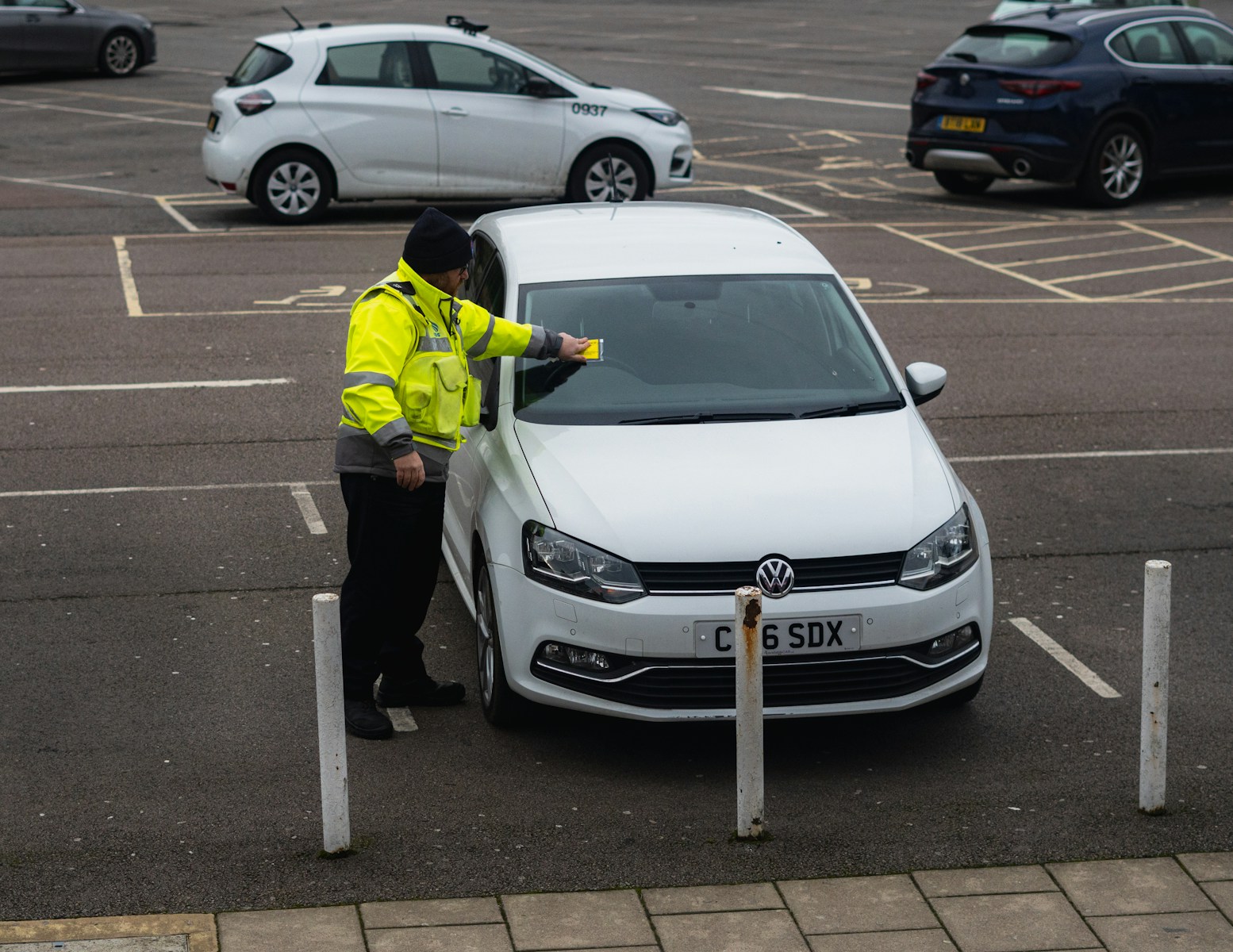
You probably notice parking fines more than city leaders do, and that’s exactly why this trend matters to you. Cities increasingly treat parking enforcement as a predictable revenue stream, shaping policy, technology choices, and curbside rules that affect your daily commute and pocketbook. Expect tighter enforcement, more cameras and apps, and a bigger share of municipal budgets tied to parking penalties—so how you park will matter more than it used to.
This post explains how ticketing turns into cash for cities, why officials are investing in tech to catch violations, and what the growth in parking revenue means for equity and local services. You’ll get concrete examples and practical takeaways to help navigate a landscape where parking fines are no longer just a nuisance but a growing fiscal tool.
How Parking Tickets Are Fueling City Budgets
Cities increasingly tap parking fines and enforcement programs to cover gaps in general revenue. You’ll see rising ticket income, targeted enforcement, and new tech or private contracts that turn parking into a predictable budget line.
Record Revenue from Parking Ticket Fines
Many municipalities now record millions from parking tickets each year, and that money often flows into the general fund to pay for core services. In New York City, for example, parking citations generated large sums that municipalities treat as routine operating revenue rather than a one-off windfall.
You should note that parking ticket revenue can be volatile: enforcement intensity, policy changes, and amnesty programs all affect collections. Still, cities have used fines and fees to plug budget shortfalls after the pandemic, making parking enforcement a deliberate fiscal tool.
Key points to watch:
- Parking tickets become recurring line items in city budgets.
- Collections include initial fines plus late fees and collection costs.
- Policy shifts (amnesties or increased citation rates) alter year-to-year totals.
Cities Leading in Parking Ticket Income
Some cities collect far more per resident than others, and those figures matter because they show dependence on fines. Baltimore and Washington, D.C. were among the highest per-capita earners in 2019, with Baltimore notably pulling in tens of millions from parking enforcement programs. Big cities like Chicago and New York also report large gross totals that meaningfully support municipal spending.
You should compare per-capita and absolute revenue: a high gross total matters for large budgets, while high per-capita receipts indicate heavier reliance on fines. Tracking both helps you understand which cities use parking enforcement more as revenue rather than just traffic management. See an example ranking of cities and per-capita parking ticket income for context from a national compilation of parking ticket revenues (Quartz).
Enforcement Trends: From Technology to Privatization
You’ll find two clear enforcement trends: wider use of technology and increased privatization of enforcement tasks. Cities deploy cameras, license-plate readers, and AI to detect violations and issue citations automatically, which raises the number of enforceable infractions without always needing more officers. Automated systems can increase parking ticket revenue by making enforcement continuous and scalable.
Privatization is another growth area. Some municipalities hire private companies to manage meters, issue tickets, or handle collections, which can boost short-term revenue but also shifts accountability and can create complaints about aggressive practices. Both trends — tech and private contracts — aim to make parking enforcement more efficient and more profitable for city budgets. For coverage of these approaches and their fiscal effects, see reporting on municipal parking technology and privatized enforcement initiatives.
The Impact and Challenges of Growing Parking Ticket Revenue
Cities lean on parking citations to plug budget shortfalls, expand enforcement tools, and digitize collection. That shifts how parking violations are detected, who pays fines, and how communities view local government.
Public Reaction and Community Trust
You’ll notice immediate reactions when enforcement ramps up: complaints about increased patrols, social media posts about ticketing hot spots, and local news stories highlighting upset residents. When departments deploy camera-based systems or expand meter hours, residents often report feeling targeted—especially in neighborhoods with frequent ticketing.
Trust erodes fastest when ticketing appears automated or opaque. If your city issues more parking tickets through video or app-linked enforcement without clear notice, people question fairness. Provide transparent data on why tickets rose, where revenue goes, and how enforcement policies changed to reduce skepticism.
Practical steps that rebuild confidence include publishing violation maps, holding community hearings, and offering easy online contestation. Those moves cut down on calls to officials and reduce disputes that clog municipal courts.
Equity Concerns and Social Effects
You should pay attention to who bears the burden of rising parking ticket revenue. Low-income residents and people of color are often disproportionately affected by parking enforcement practices; that can deepen financial strain and reduce trust in municipal institutions.
High fines for seemingly minor parking violations can cascade: unpaid fines lead to license suspensions, vehicle booting, or impoundment. That undermines employment stability for people who rely on cars. Consider how policies like demand-based pricing or expanded meter hours may push costs onto those who can least afford them.
Cities can mitigate harm by offering income-based reductions, community service alternatives, or flexible payment plans. You’ll find these measures reduce long-term collection costs and limit legal penalties that disproportionately hurt vulnerable residents.
Unpaid Fines and Collection Efforts
Unpaid parking ticket revenue often falls short of expectations because collection is costly and legally complex. You encounter layers of administrative work: mailing notices, processing appeals, handling court dates, and contracting with collection agencies.
When fines go unpaid, cities escalate with booting, towing, or wage garnishment in some jurisdictions. Those tactics generate additional fees and public backlash, and they can be less effective than preventive measures. If your city keeps revenue locally, agencies may face incentives to increase ticketing, creating mixed motives for enforcement.
Improving collections starts with accessible online payment portals, clear dispute instructions, and graduated penalties that encourage early payment. Integrate citation data with parking apps and public dashboards so you can spot patterns and adjust enforcement where collections are low or inequitable.
Relevant reading: the reporting on cities using tech to increase enforcement and revenue offers concrete examples of these trade-offs and tools in action (see this piece on cities turning to technology for parking management: https://www.route-fifty.com/emerging-tech/2024/05/drive-revenue-cities-turn-tech-fix-their-parking-problems/396996/).