
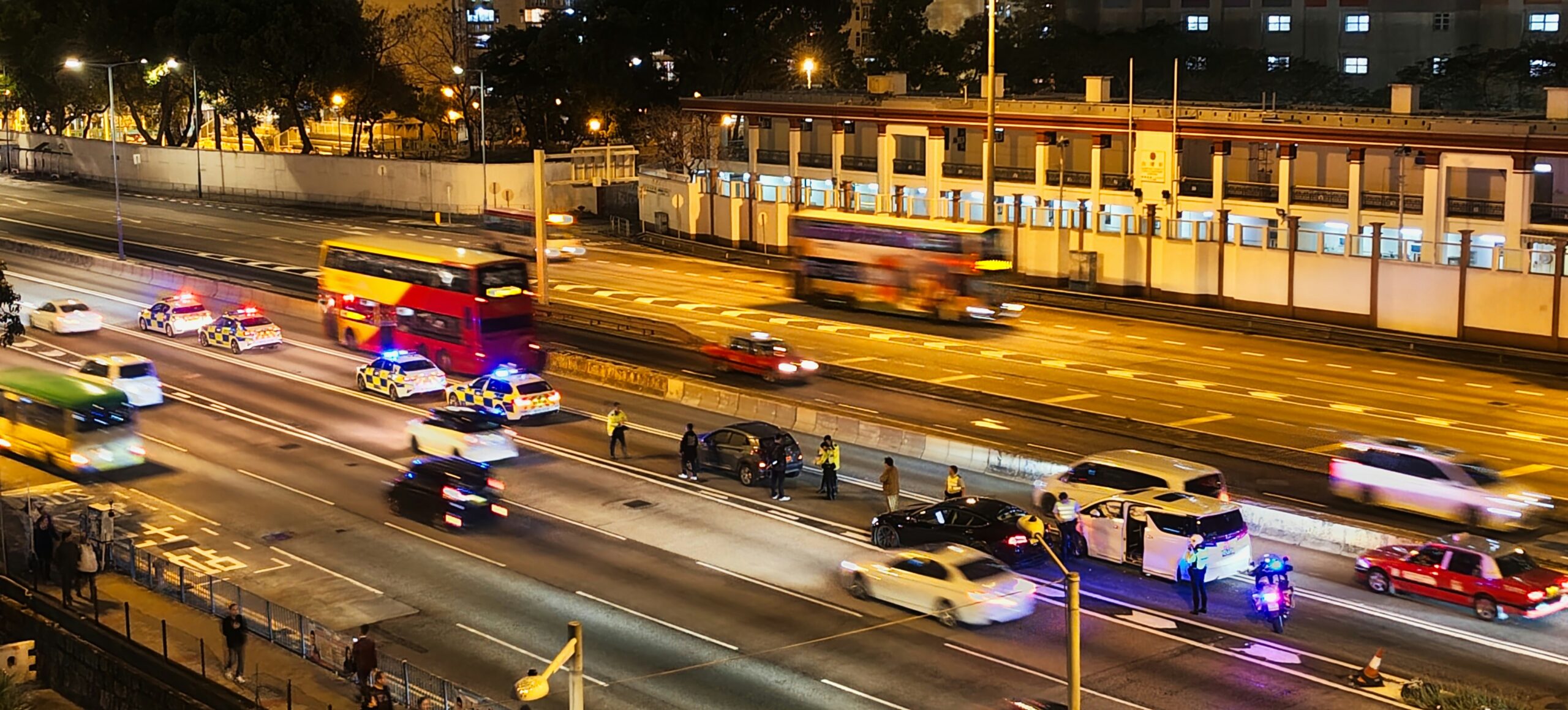

The story always seems to start the same way: a small thing, a flicker of blue and red in the rearview, a driver who figures this will be a quick warning and a reminder to fix a bulb. Then the routine stop tilts sideways, and suddenly everyone involved is hanging on for dear life, legally or literally. That gap between a minor violation and a major incident is where the real debate over traffic stops is playing out.
Across the country, police, lawmakers, and drivers are wrestling with what should happen when an officer pulls someone over for something as simple as a broken taillight. Some argue those stops are a vital tool that can uncover serious crime. Others say they are a risky, outdated way to police the roads that can escalate far beyond what the original infraction ever justified.
When a busted light turns into a full-blown crisis
On paper, a traffic stop is supposed to be boring. An officer notices a minor issue, the driver hands over a license and registration, and everyone goes on with their day. In reality, that script can flip fast once adrenaline, fear, or bad decisions enter the picture. The stakes are clearest when a driver decides that pulling over is optional and the officer suddenly has to choose between letting a car go or chasing it through city streets.
In Watsonville, California, that choice recently turned a simple stop into a destructive chase that looked nothing like a minor traffic check. Police tried to pull over a car, only to have the driver, a 13-year-old, take off with three other people inside. What began as a basic enforcement move ended with a crash so serious that Watsonville Fire had to join officers at the scene, and Watsonville Police Sgt. Monique Ra was left sorting out a wrecked vehicle, multiple arrests, and evidence recovered from the crash site. The original violation faded into the background, replaced by questions about how a teenager ended up behind the wheel of a fleeing car in the first place.
The political fight over “minor” stops
Episodes like that chase sit at the center of a growing political argument over whether officers should even be allowed to stop drivers for low-level issues. Reform-minded lawmakers have pushed bills that would sharply limit when police can pull someone over for things like a broken taillight or expired registration, framing those stops as unnecessary flashpoints that can spiral into violence or trauma for drivers who were never accused of a serious crime.
Opponents, particularly Republican legislators, have pushed back hard. GOP lawmakers have warned that taking away those tools would mean losing a key way to spot bigger problems hiding behind small violations. They point out that some of the most consequential arrests have started with a simple traffic infraction, arguing that a stop for a broken taillight or expired registration can uncover weapons, drugs, or outstanding warrants that would otherwise slip by. To them, the Watsonville-style chase is not an argument against traffic enforcement, but a reminder that the real danger often lies with the decision to run, not the decision to pull someone over.
Where safety, discretion, and trust collide
That tension leaves officers on the street making judgment calls in real time. A sergeant like Monique Ra has to weigh whether a driver’s behavior justifies turning a quiet stop into a high-speed pursuit, knowing that every mile of chase raises the odds of a crash that might pull in bystanders and require backup from crews like Watsonville Fire. The more often a minor violation becomes a major incident, the more pressure there is on departments to tighten pursuit policies and rethink when to engage at all.
For drivers, the same moment looks very different. A flashing light in the mirror can feel like a test of trust: will this be a quick conversation about a fix-it ticket, or the start of something far more serious than a missing bulb ever deserved. That uncertainty is why the fight over minor traffic stops is not just about statutes and training manuals, but about whether people believe that a simple pull-over will stay simple. Until lawmakers, police, and communities can agree on what a “routine” stop should really look like, every small violation has the potential to be the one where everything changes.
More from Wilder Media Group: