
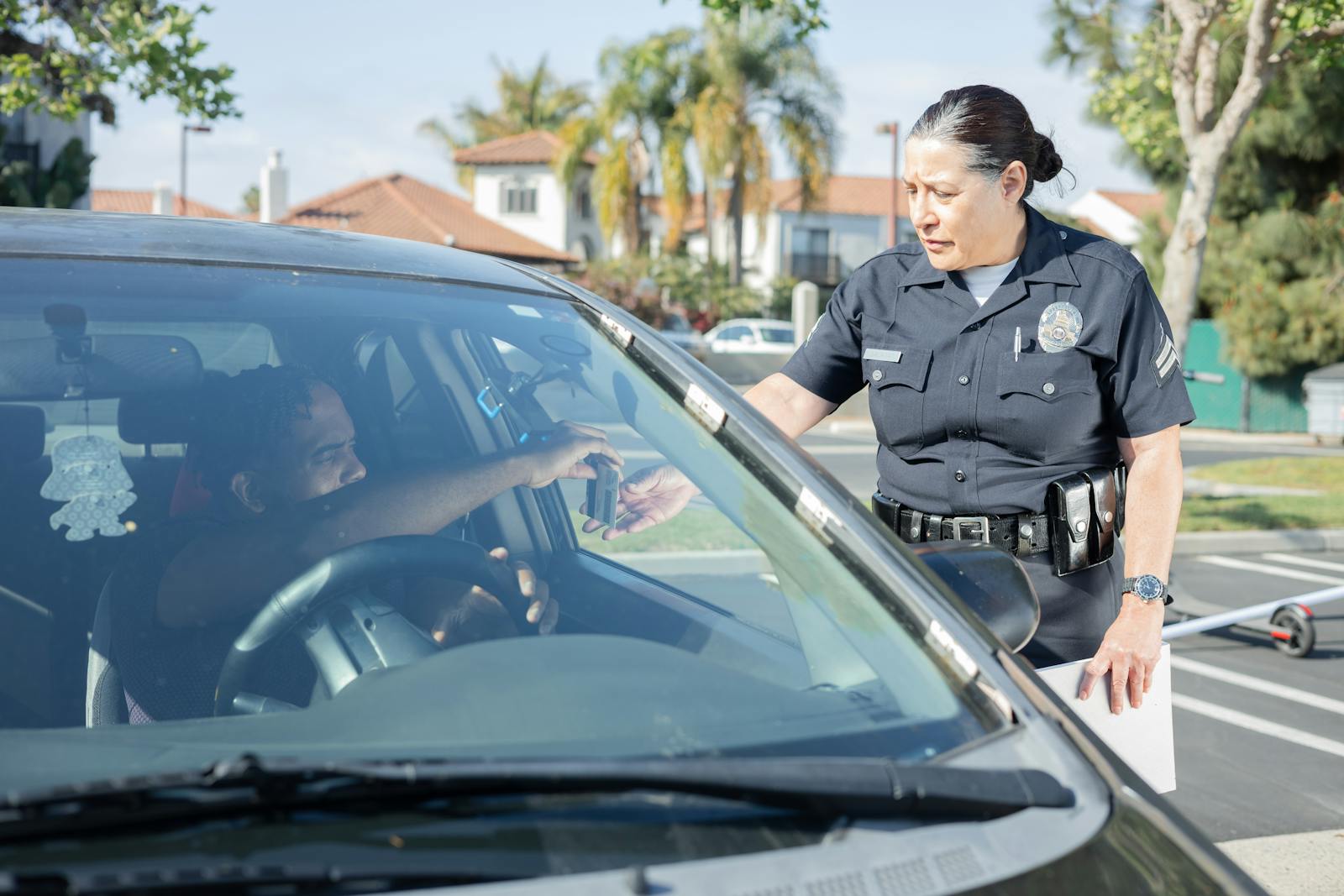

They notice cars disappearing from driveways and parking lots in suburbs that once felt safe. A simple habit — leaving keys or fobs within easy reach or failing to lock and disable a vehicle’s ignition — makes many cars low-effort targets for thieves.
This post will show why thefts have climbed in suburban areas, where opportunistic criminals look for weak defenses, and how small daily changes can stop a theft from happening. Expect clear, practical steps and real examples that make protection feel doable, not overwhelming.
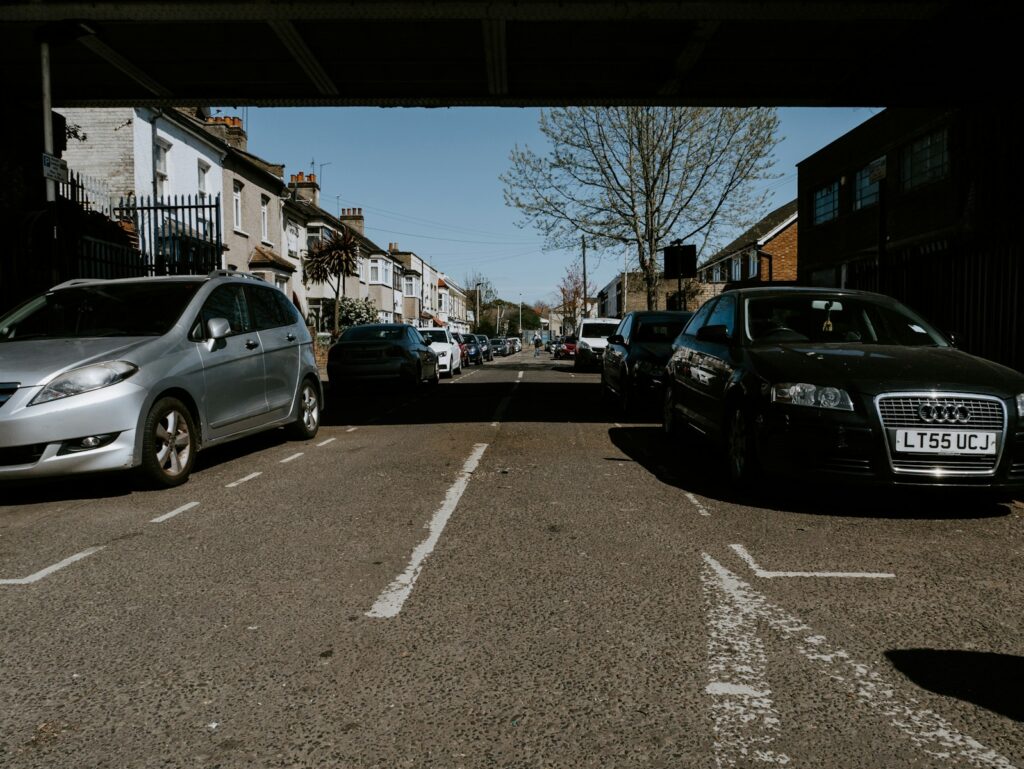
Why Car Theft Is Surging in Suburban Areas
Suburban residents now face more frequent vehicle thefts, with thieves exploiting easy opportunities and specific vehicle vulnerabilities. This shift reflects changes in theft patterns, weak security on some models, and new hotspot locations outside traditional urban cores.
Recent Trends in Vehicle Theft
Vehicle theft climbed sharply after 2019, peaking around 2022 when reported incidents topped one million nationally. Many suburbs saw increases even as some larger-city totals began to level off; metropolitan peripheries and commuter corridors now report more motor vehicle thefts than in prior years.
Analysts link the rise to pandemic-era behavior—more cars parked at homes, erratic commuting, and reduced guardianship—plus the speed and profitability of stealing and reselling vehicles or parts. Law enforcement reporting and industry data from groups such as the National Insurance Crime Bureau show that some regions recorded disproportionate gains, shifting the public safety crisis beyond dense urban centers.
The Impact of Kia and Hyundai Security Issues
A practical driver of recent auto thefts involves specific models with documented vulnerabilities. Certain Kia and Hyundai vehicles lacked factory immobilizers or were easily bypassed, and viral videos showed simple methods to start and steal them quickly.
That weakness made those models high-value targets for organized and opportunistic thieves. Insurers and police flagged spikes in claims and theft reports tied to these brands, prompting recalls, free software updates, and community awareness campaigns. Vehicle owners learned to install steering locks, VIN etching, or aftermarket immobilizers to reduce risk.
Vehicle Theft Hotspots in Suburbs
Suburban theft hotspots often cluster around shopping centers, commuter train stations, and poorly lit residential streets. Thieves target cars left unlocked, with keys inside, or parked in isolation—habits common in suburban routines.
Industry mapping and the NICB’s hotspot reporting show suburbs near large metros—particularly regions around Washington, D.C., Chicago, and parts of California—facing elevated motor vehicle theft rates. Local police data indicate that thefts in these areas frequently involve short-distance joyriding, stripping for parts, or transportation for other crimes, making prevention measures like improved lighting, guaranteed locking habits, and targeted patrols critical.
The Common Habit Making Your Car a Target (And How to Fix It)
Many suburban car thefts start with one simple habit: owners make access easy. Small behaviors—unlocked doors, keys left inside, or visible valuables—turn parked vehicles into instant targets for quick thefts and joyrides.
Leaving Cars Unlocked or Keys Inside
Leaving doors unlocked or a key fob inside greatly reduces the time a thief needs to steal a vehicle. Thieves often test door handles in residential streets and parking lots; an unlocked door takes seconds to open and begins the chain that leads to a stolen car. Leaving a spare key on or near the vehicle (under a bumper, inside a magnetic box) is equally risky because thieves know those hiding spots.
Fixes: always lock doors and roll windows up. Use a simple checklist: keys out of sight, doors locked, alarm armed. Store spare keys offsite or in a secured home safe. If the vehicle has a push-button start, keep the fob in a Faraday pouch at night to block relay attacks.
Joyriding and Opportunistic Thefts
Joyriding and opportunistic thefts are usually fast, unplanned crimes where the thief seizes an obvious chance—running into a store for one minute or finding a vehicle idling with the engine on. These incidents often involve teens or amateurs who just want a short drive, but they can escalate into dangerous high-speed chases or totaled cars.
Reductions: never leave a running car unattended and disable remote start if it won’t auto-lock. When parking, remove visible valuables and detach charging cables that suggest a phone or wallet is inside. Neighbors and bystanders should report suspicious people testing handles; quick reporting helps police recover joyridden cars before damage occurs.
How Lack of Security Features Adds Risk
Older cars without an engine immobilizer or modern electronic protections are easier to start without a key. Models lacking factory immobilizers or rolling-code garage remotes appeal to thieves because bypassing ignition switches or using simple tools can be enough. The National Highway Traffic Safety Administration notes that technological protections reduce theft rates for many models.
Address vulnerabilities: install visible deterrents like a steering wheel lock or approved alarm sticker. Add a hidden kill switch or an aftermarket immobilizer if the car lacks one. For high-risk vehicles, fit a discreet GPS tracker; recoveries often depend on quick location data. Small upgrades increase the time and skill a thief needs, which deters opportunistic criminals.
What Police and Experts Recommend
Police advise the basics: lock doors, keep keys indoors, and never leave the engine running unattended. Many departments emphasize community reporting of suspicious behavior—people testing door handles or loitering near driveways. Insurance and auto-theft experts also recommend combining measures for best results.
Practical steps experts endorse: fit a steering wheel lock for visible deterrence, install an engine immobilizer if missing, and use a Faraday pouch for key fobs. Register and report stolen license plates immediately to prevent criminal reuse. For detailed local guidance, consult police department tips and manufacturer recommendations on anti-theft options.
More from Steel Horse Rides: