

Fake license plates used to be a niche scam. Now they are a daily headache for cops, toll agencies, and anyone who happens to share the road with a “ghost car” that technically does not exist. As police ramp up traffic stops to catch bogus tags, regular drivers are finding out the hard way that even an innocent looking plate can be enough reason to get pulled over and questioned.
From New York to Texas and California, officers say counterfeit and altered tags are surging, and the response is getting more aggressive and more coordinated. That means more stings, tougher laws, and a higher chance that a routine commute turns into a roadside conversation about the piece of metal or paper bolted to the back of the car.
Why Fake Plates Are Suddenly Everywhere
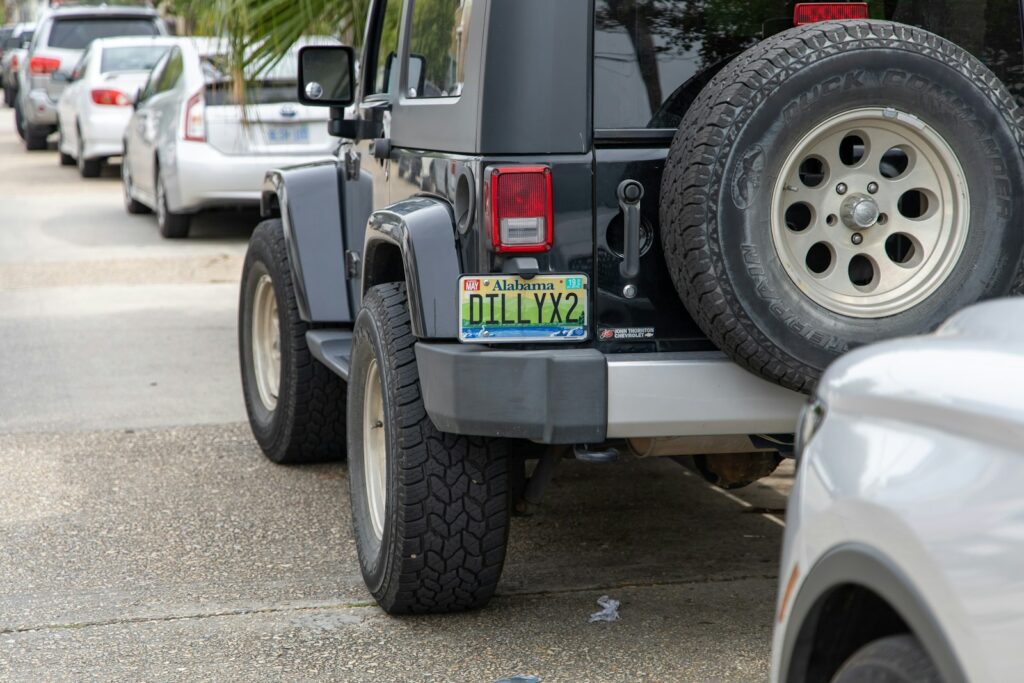
Law enforcement has been dealing with phony tags for years, but the scale is different now. In New York, officials describe fake plates as a “big problem” that keeps growing, with Data showing nearly 9,000 cases in a single year. Police across New York State say it is nearly impossible to tell some of the counterfeits from the real thing, especially plates sold online as “vanity” or “novelty” items that mimic official fonts and colors.
At the same time, organized stings are revealing just how many drivers are rolling the dice. In one statewide crackdown, officers wrote more than 3,300 tickets to Motorists using fictitious plates during “Operation Plate Ch,” which also led to the recovery of stolen vehicles. For police, those numbers confirm what they have been seeing on the street: fake tags are no longer a fringe trick, they are part of everyday traffic.
How “Ghost Cars” Dodge Bills And Draw Cops
The appeal of a bogus plate is obvious to anyone who has watched tolls and camera tickets pile up. In NEW YORK, officials say “ghost cars” with altered or forged tags are used to blow through toll readers and speed cameras without leaving a trace in the New York databases that feed the Metropolitan Transportation Authority. Some drivers simply cover or bend their plates so they are unreadable by the fare system technology, while others bolt on completely fake tags that do not match any registered vehicle.
City leaders say the problem is not just about lost revenue. In a separate crackdown, Police reported a clear connection between these illegal vehicles and violent crime, with Vehicles bearing fraudulent or modified plates turning up in shootings and robberies, according to Adams. That link gives officers one more reason to treat a suspicious tag as more than a minor traffic issue, and it helps explain why drivers are increasingly being stopped over what looks like a simple plate problem.
New York’s Full-Court Press On Ghost Plates
New York officials have turned fake plates into a priority, and they are throwing a lot at it. The governor created a dedicated “ghost car” task force to track fraudulent tags across the city, warning that Possession of fake license plates can be a Class D felony, punishable by fines up to $5,000 and as much as seven years in jail. That kind of penalty puts fake tags in the same conversation as serious property crimes, not just sloppy paperwork.
On the street, the enforcement is just as intense. MTA police and the The NYPD are watching for ghost plates, counting violations, and actively pulling over drivers whose tags do not check out, with officers saying these cars now have their “complete attention.” A separate video from Thomas Young at the Suffach County Sheriff Office shows how deputies are trained to reference each stop, call in plate numbers, and quickly flag anything that looks off.
Paper Tags, Metal Tags, And A Moving Target In Texas
Other states are learning that simply changing the material of a plate does not end the fraud. In Texas, officials eliminated paper temporary tags and rolled out new metal versions, hoping to shut down a booming black market in flimsy, easy to print permits. It took only a couple of months for investigators to find that crooks were already counterfeiting the new metal temporary plates, essentially treating the redesign as a fresh template rather than a barrier.
Local constables have been blunt about the problem. In a short video warning, they ask whether criminals are already faking the new Texas metal temporary plates and answer their own question with a clear yes, based on what law enforcement is seeing on traffic stops. That reality has pushed the state to pair design changes with more aggressive enforcement, including targeted patrols and data sharing between agencies that track which tags should exist and which ones are pure fiction.
Why Temporary Tags Became A Fraudster’s Favorite Tool
Temporary tags are supposed to be a short bridge between buying a car and getting permanent plates, but they have turned into a long running loophole. Investigators in the Washington region found that shady dealers were selling fraudulent temp tags in bulk, sometimes to people who never intended to register their vehicles at all, according to a probe led Cory Smith, Rick. Those tags let drivers mask other potential criminal activity, from unregistered cars to more serious offenses that rely on staying anonymous.
States are now trying to slam that door shut. A new license plate law in the Southeast is pitched as a way to “save tax payers millions” by shutting down sleazy dealers who exploit a loophold in the typical temporary tag system, with Just weeks to go before it takes effect. The idea is simple: make it harder for anyone to print or sell a tag without a real sale behind it, and suddenly a favorite tool for ghost cars becomes a lot riskier to use.
States Start Banning Paper Plates Altogether
Some lawmakers have decided that paper itself is the problem. In one Southern state, a new law banning temporary paper license plates has taken effect, with reporter Ariana Willis explaining on air what drivers and even law enforcement need to know about the change, while anchor Eric walks viewers through the basics. The pitch to drivers is that the new system should cut down on fraud and confusion, even if it means a little more bureaucracy at the dealership.
In Houston, police have been preparing residents for similar changes. HPD released a video about an upcoming law change to temporary paper plates, with FOX 26 Reporter Matthew Seedorff explaining how the new rules will work in HOUSTON. The message from officers is that if a car still has a paper tag under the new regime, it is going to draw attention, and the driver should expect to be stopped while police figure out whether it is legitimate.
High-Tech Tricks: Flippers, Covers, And Camera Evasion
Not every fake plate is a full on counterfeit. Some drivers are turning to gadgets that hide or alter real tags just long enough to fool a toll reader or speed camera. In California, lawmakers have zeroed in on mechanical “flippers” that can flip a plate out of view or swap it with another at the push of a button. California Assembly Bill 1085 is designed to criminalize the manufacture of these devices and increase fines for selling them, treating them as tools that undermine both traffic enforcement and newer, sometimes controversial, AI license plate readers.
New York officials are dealing with a lower tech version of the same idea. Some drivers simply slap on tinted covers, reflective sprays, or plastic shields that make plates unreadable to cameras, which is why several people were arrested when a task force moved in on cars with missing, fake, or covered tags. For police, a plate that is deliberately obscured is a red flag that something else is going on, and it is more than enough reason to pull a car over and start asking questions.
Inside The Multi-Agency Crackdowns
The response to fake plates is increasingly a team sport. In New York, MTA police and the NYPD are coordinating with city and state agencies to share plate data, cross check toll violations, and stage joint operations. A separate sting saw Operation Plate run statewide, with officers from multiple departments writing thousands of tickets in a matter of days.
On social media, agencies are also trying to show the public what these stops look like. A reel featuring Thomas Young of the Suffach County Sheriff Office walks through how deputies call in an “A number” to verify a plate during a stop. Another clip shows nypd teaming up with other agencies in a task force aimed at missing, fake, or covered plates, underscoring that if a tag looks wrong, there is a good chance multiple departments are already comparing notes about it.
What Regular Drivers Need To Watch For
For everyday drivers, the surge in fake plates means more scrutiny, even if their tags are perfectly legal. Officers in Police across New briefings have warned that some online “vanity” plates are so convincing that they can fool both drivers and casual observers, which is why they urge people to stick to official channels when replacing damaged plates or ordering custom designs. If a tag was bought from a random marketplace instead of a motor vehicle agency or licensed vendor, it is likely to raise eyebrows during a stop.
Drivers also need to understand how quickly a plate issue can escalate. In New York City, Possession of a fake plate is treated as a felony level offense, and in other states, new laws like the one targeting California Assembly Bill 1085 or the crackdown on just that a loophole in temporary tag rules are raising penalties too. The bottom line is simple: if a plate looks sketchy, mismatched, or improvised, the driver should expect blue lights in the rearview mirror, and the conversation at the window will not be a casual one.
More from Wilder Media Group: