
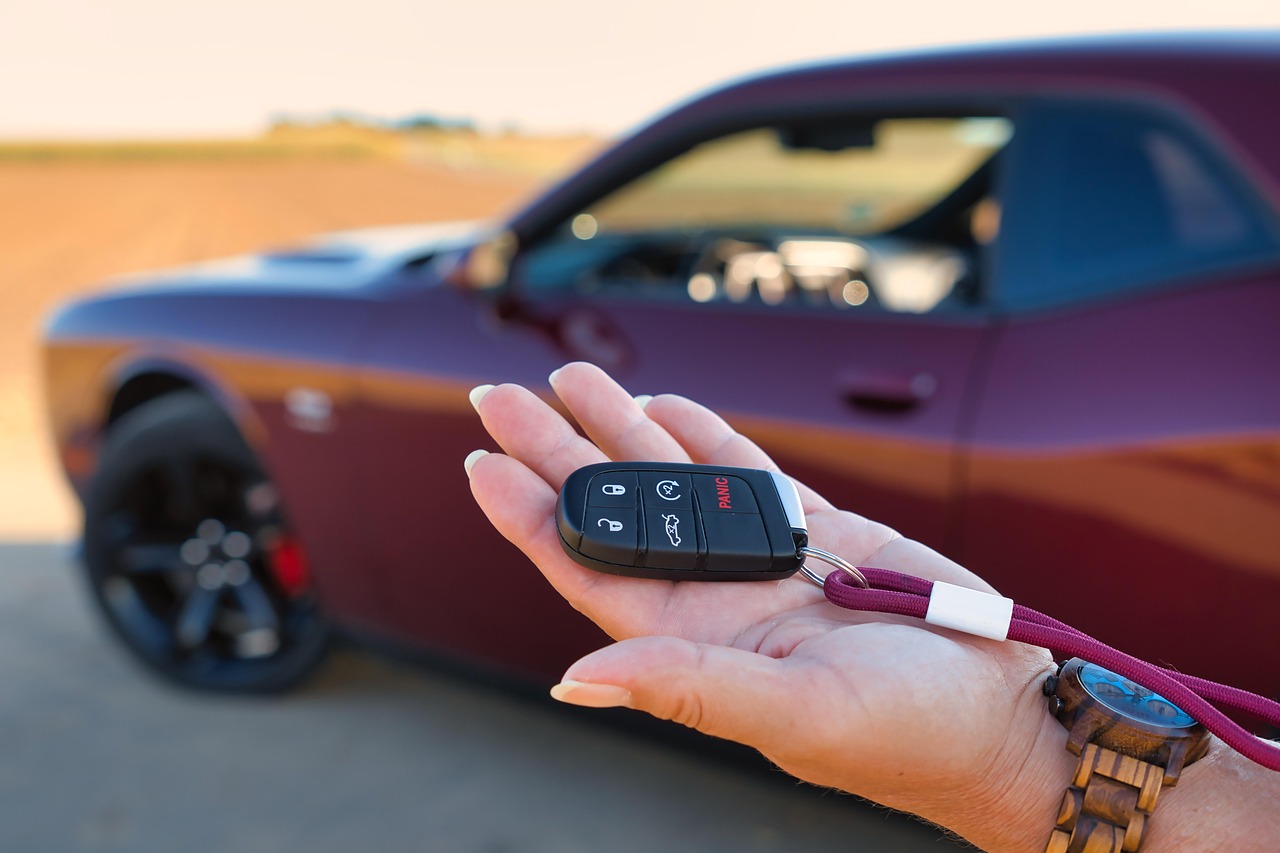

Police across the US and Europe are sounding the alarm about a quiet kind of car theft that does not involve smashed windows or hot‑wiring. Instead, thieves are hijacking the wireless signal from key fobs, slipping away with high‑value vehicles in under a minute while owners sleep a few feet away. Most drivers still assume that if the keys are inside the house, the car is safe, which is exactly the blind spot these relay crews are counting on.
The basic idea is simple: criminals extend the “handshake” between a parked car and its key, tricking the vehicle into thinking the fob is right next to it. That gap between what drivers think keyless tech does and how it actually behaves is where the risk lives. Understanding how these attacks work, and how to shut them down with a few cheap tools and habits, is now part of basic car ownership.
Keyless convenience, meet “What Is Keyless Car Theft”
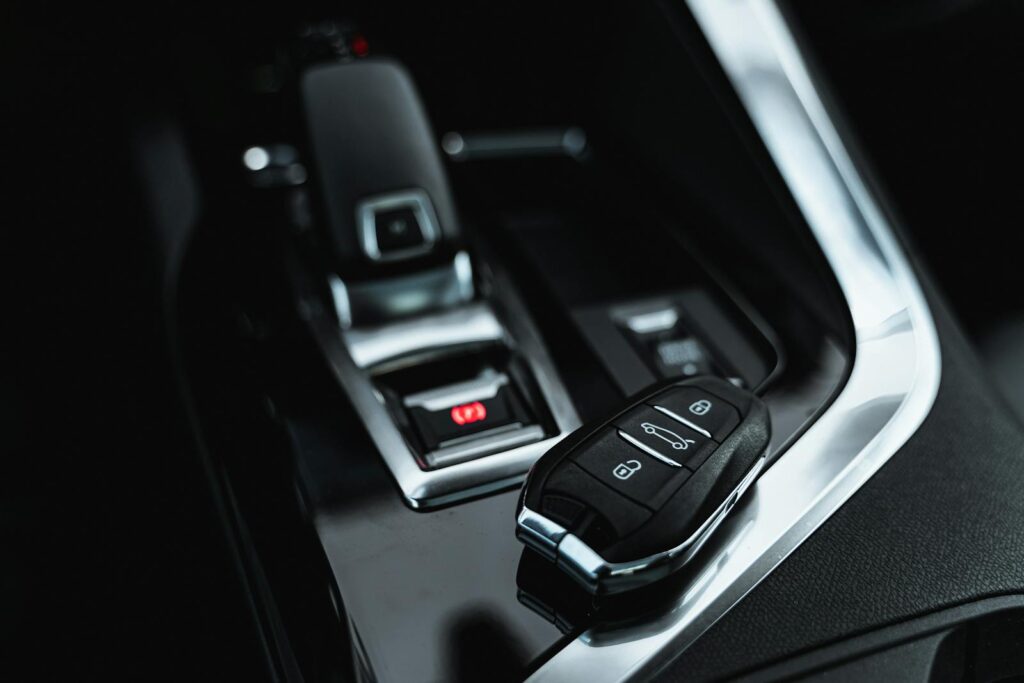
Modern cars with passive entry let drivers stroll up, grab the handle, and go, no button‑pressing required. Under the hood, the car constantly listens for a low‑power radio signal from the fob and unlocks when it hears the right digital code. That convenience is exactly what sits at the heart of What Is Keyless, where criminals copy and extend that signal instead of breaking locks. In this setup, the car never sees a difference between the real fob in the hallway and the relayed version being broadcast from the driveway.
Security researchers describe Keyless theft as a method that lets thieves drive away even when the genuine key is “safely inside your home.” The car’s passive system is doing exactly what it was designed to do, which is respond to any signal that looks like the right fob within range. The problem is that the range is no longer limited to a couple of feet, because attackers are stretching it with their own hardware.
How relay crews actually pull it off
On the street, a relay job usually involves two people and a backpack full of electronics. One stands close to the house or office wall, holding a device that hunts for the fob’s radio chatter, while the other waits by the car with a second unit that replays and amplifies that signal. Guides on Relay Attack Explained describe these gadgets as signal repeaters that scoop up the key’s code and push it out again as if the fob were right next to the door handle.
Technical breakdowns of Modern car hacking note that Passive Keyless Entry, often shortened to PKE, trusts that any valid‑looking signal within a short distance is legitimate. Once the relayed code reaches the car, the system unlocks and, in many models, will also allow the engine to be started. At that point, the thieves are not hacking the engine control unit or cutting wires, they are simply driving away in a vehicle that thinks its owner is sitting behind the wheel.
The numbers that show how big this has become
For anyone tempted to treat this as a fringe problem, the data is a cold splash of water. One analysis of theft reports found that 58% of car thefts now involve keyless entry manipulation, and that 70% of stolen vehicles in the UK are taken using relay methods. Those are not niche edge cases, they are a sign that this has become the default playbook for organized crews targeting newer models.
Police and insurers say the appeal is obvious: the entire process is silent, quick, and leaves no broken glass to hint at what happened. One policing analysis notes that the whole relay sequence can take less than 60 seconds from first signal grab to engine start, which matches what police in local TV briefings describe when they warn that thieves only need to “stand outside your home” to get in. For drivers, that means a car can vanish between the time they lock up for the night and the moment they reach for the keys in the morning.
Why most drivers never see it coming
Part of the problem is psychological. Drivers grew up with the idea that if the keys are inside, the car is safe, and keyless systems did not come with a big warning label saying “your fob is now a tiny radio station.” Security explainers on How Do Relay point out that the same basic trick shows up in contactless card fraud, where attackers use two linked devices to extend the range of a tap‑to‑pay card. The car world is just catching up to a playbook that has been circulating in other wireless systems for years.
On top of that, the attack is almost boringly uneventful from the outside. Victims describe walking out of their front door to an empty driveway, with no CCTV footage of smashed glass or tow trucks, just a clean disappearance. Local segments where police explain the method show officers holding up antennas and small relay boxes, not crowbars. That mismatch between Hollywood‑style car theft and the quiet reality makes it harder for people to connect the dots until it happens on their own street.
The ingenious techniques behind the hardware
Underneath the hoodie and backpack, the tech is surprisingly sophisticated. Walkthroughs of Ingenious Techniques of describe attackers using custom radios to capture the low‑frequency “are you there?” ping from the car and the higher‑frequency response from the fob. Those signals are then relayed over a separate wireless link between the two thieves, effectively stretching the car’s short‑range bubble across a driveway, a garden wall, or even a supermarket window.
Security researchers who study Relay attacks note that vehicles with always‑on proximity systems are most at risk, because they keep broadcasting and listening even when parked. That is why guides on Signal repeaters stress that the thieves do not need to crack encryption or guess codes, they just need to move the existing conversation between car and key. In practice, that means a crew can sweep a street, test which houses have responsive fobs, and cherry‑pick the most valuable targets without ever stepping inside a front door.
Police warnings, from TV clips to farmyards
Law enforcement has been trying to drag this issue into the spotlight, often through local news. In one widely shared clip, officers explain that thieves “stand outside your home” with a device that grabs the same signal that lets you unlock your doors, a warning captured in a high‑tech scheme segment. Another briefing from Anaheim shows an officer describing how a partner with an antenna stands by the house while the other waits by the truck, a method laid out in more detail in a separate police explainer.
The problem is not limited to city driveways. Rural crime units have warned that popular workhorses like the Toyota Hilux are being lifted from farms using the same tactics, prompting one advisory that bluntly told owners, advise affected owners Short social clips, including a YouTube short where officers spell out that “thieves have found a way to hack into your key fob,” are part of the same push to get drivers to rethink how exposed their vehicles really are.
Simple physical defenses that actually work
The good news is that blocking a radio signal is a lot easier than reverse‑engineering it. Security guides aimed at drivers put one tool at the top of the list: a Faraday pouch that acts like a tiny radio‑proof safe for the key. When the fob is inside, its signal cannot leak through the walls, which means the car has nothing to hear and the relay gear outside has nothing to amplify. Some drivers opt for full boxes instead of pouches, a variation echoed in advice that tells owners to Invest in a Faraday cage for their keys.
Trade groups and roadside organizations add a few more low‑tech layers. One set of tips urges drivers to keep keys away from the edge of the home and not to leave them on hooks by the front door, advice repeated in AAA guidance that stresses distance from exterior walls. Another checklist aimed at UK drivers suggests using visible deterrents like steering wheel locks and parking in well‑lit streets, with one guide noting that Here are some of the best ways to protect your vehicle, starting with Faraday pouches and boxes When you are not using your key fob.
Digital add‑ons, trackers, and what “Automakers” are changing
Alongside the physical tricks, there is a growing market for digital add‑ons that either harden the car or help find it if the worst happens. Some systems add an extra smartphone‑based unlock step, while others quietly report the car’s location if it moves without authorization, a model highlighted in explainers that ask whether a vehicle is secure from relay attack and note that, Fortunately, modern digital solutions can step in. Tracking services also stress that if a car is taken, a hidden locator dramatically improves the odds of recovery, a point echoed in How To Protect advice that mentions recovery as part of the strategy.
On the manufacturer side, Automakers are gradually tightening security with smarter key fobs that go to sleep when not moving and systems that limit how long a car will run without seeing a fresh key signal. Industry guides on Key Takeaways for point out that drivers can sometimes enable extra PIN‑to‑drive features or disable passive entry in the settings menu. The catch is that these options are often buried, and owners rarely hear about them at the dealership, which is why independent advice keeps circling back to simple add‑ons like Faraday storage and visible locks as the first line of defense.
Everyday habits that close the gap
For all the talk of radio frequencies and signal repeaters, the most effective changes are often just tweaks to routine. Locksmith groups urge drivers to Use a Signal blocking pouch and avoid leaving keys in metal bowls or by windows, because those spots can actually help the signal travel. Another set of quick tips for keyless entry owners repeats the same idea, telling people to Signal block their fobs and ignore fake parking tickets or flyers tucked under wipers that might be used to distract them while a partner scans for keys.
Fleet managers are getting similar nudges. One advisory notes that Keyless entry systems offer convenience but can be exploited, and that Concer over rising thefts has led to simple rules like keeping keys out of sight and away from external walls in depots. Consumer‑facing lists from roadside organizations echo the same message, framing it as common‑sense measures that significantly reduce risk, a point underlined in How to Protect guidance that treats these habits as part of everyday car care.
Why awareness is now part of basic car ownership
At this point, key fob relay attacks are not a futuristic edge case, they are a mainstream threat baked into how modern cars unlock and start. Security briefings on Why Relay Attacks describe them as one of the fastest‑growing vehicle theft methods worldwide, precisely because they piggyback on features drivers love. That same logic shows up in consumer guides that frame the goal as peace of mind, not paranoia, and encourage people to see a Faraday pouch or steering lock as just another accessory, like a phone mount or floor mat.
For anyone still on the fence, it helps to zoom out and see relay attacks as part of a broader pattern. Analyses of What Relay Theft and breakdowns of Passive Keyless Entry attacks both land on the same conclusion: as cars get smarter, thieves follow. That does not mean drivers need to become engineers, but it does mean that tossing the fob on the hallway table and calling it a night is no longer enough. A little awareness, a bit of shielding, and a couple of old‑school locks can turn a soft target into a much harder one, and that is usually all it takes to make a relay crew move on.
More from Wilder Media Group: