

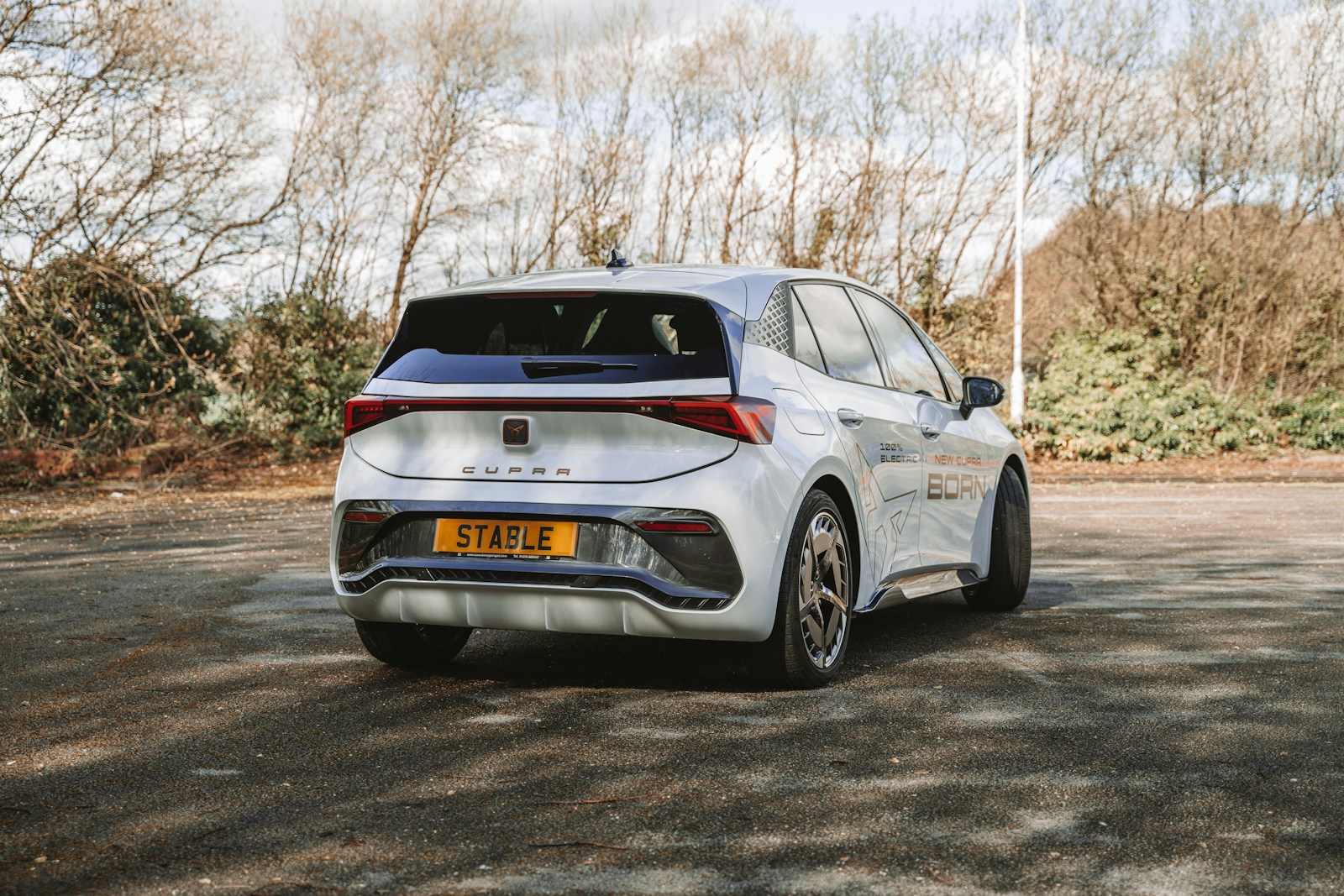
Parents who rely on compact hatchbacks for school runs and weekend trips are being urged to check their cars after a major safety recall targeting faulty child-seat anchor points. The campaign affects some of the most popular small cars on the road, raising fresh questions about how rigorously family-focused safety features are engineered and tested.
Regulators say the defect could compromise the secure installation of child restraints in a crash, a risk that cuts to the core promise these practical city cars make to young families. Automakers involved in the recall are now racing to inspect and repair affected vehicles while reassuring owners that the problem can be fixed at no cost.
What the recall covers and why the anchor flaw matters
The recall centers on lower anchor points used with ISOFIX and LATCH-compatible child seats, hardware that is supposed to provide a rigid, foolproof connection between the car and the restraint. Investigators found that in certain hatchback models, these anchors may not meet required strength or geometry specifications, which could allow a child seat to shift or detach under severe load. That risk is especially acute in side impacts and high-speed frontal collisions, where crash forces can spike well beyond what parents might imagine during everyday driving, according to federal safety guidance.
Regulatory filings show that the affected vehicles span multiple model years and trims, including high-volume hatchbacks marketed directly to young families and first-time buyers. In some cases, the anchor brackets were found to be improperly welded or positioned too close to seatback hinges, a configuration that can interfere with proper latch engagement. Technical bulletins filed with the recall indicate that the defect was first flagged during internal testing, then confirmed through targeted inspections of customer vehicles, a sequence that aligns with standard recall procedures outlined by the recall database.
How owners can check their hatchback and get repairs
Owners of small hatchbacks are being advised to verify whether their car is covered by the campaign before transporting children using the lower anchors. The most direct route is to enter the vehicle identification number into the official online recall lookup tool, which cross-references open safety actions across all manufacturers using data maintained by the national recall system. Dealers are also sending mailed notifications to registered owners, but those letters can lag behind the public posting of recall information, so online checks are often faster.
If a car is affected, the remedy typically involves a physical inspection of the rear-seat anchor brackets, followed by reinforcement, re-welding, or complete replacement of the hardware. Automakers are required to perform these repairs at no charge, and service appointments are usually completed within a few hours, according to prior child-seat anchor campaigns documented in child safety equipment records. Until the fix is completed, regulators recommend installing child restraints using the vehicle’s seat belt routing, which remains a fully approved method when used with the seat manufacturer’s instructions.
What the defect reveals about child-safety design in small cars
The anchor issue highlights a tension in modern hatchback design, where engineers juggle compact packaging, folding rear seats, and cost pressures while still meeting stringent child-safety standards. In smaller cabins, the rear-seat structure often has to accommodate multiple functions, from split-fold mechanisms to underfloor storage, which can complicate the placement and reinforcement of anchor brackets. Technical analyses in prior investigations of anchor failures, archived in the safety investigations section, show that even minor misalignments or thin-gauge metal around the anchor can significantly reduce its ability to withstand crash loads.
Safety advocates argue that the latest recall should prompt automakers to treat child-seat integration as a core structural feature rather than an add-on to existing seat frames. They point to crash-test programs that specifically evaluate child-restraint performance and note that robust anchor design can also simplify correct installation, a known weak point in real-world use documented in child passenger safety research. For families shopping for a hatchback, that means looking beyond fuel economy and cargo volume to confirm that the rear seats offer clearly accessible, well-documented anchor points that have not been subject to unresolved recalls.