

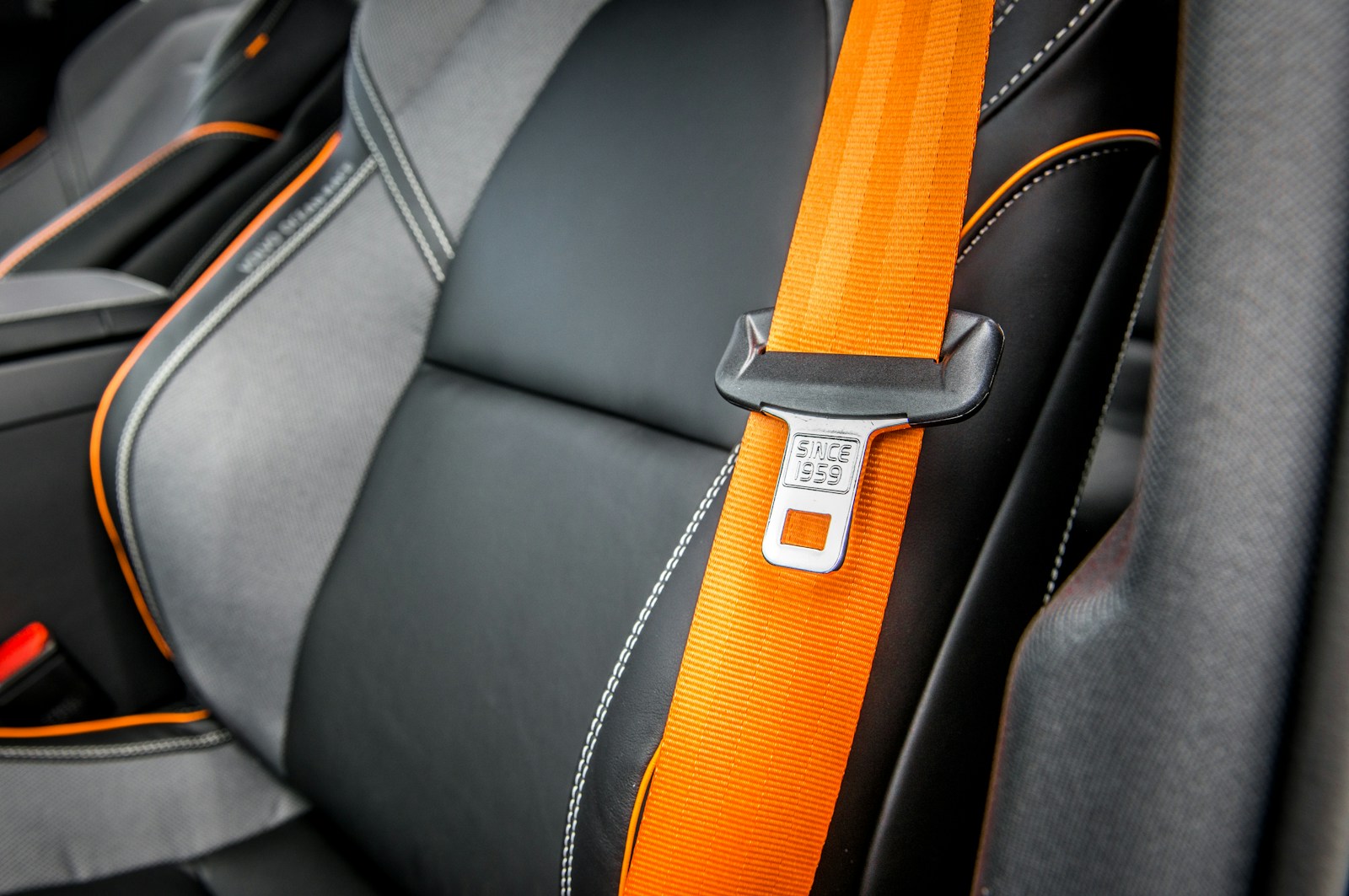
Some of the most familiar family sedans on American roads are being called back to the shop because of a defect where it matters most: the rear seat belts. A damaged anchor in the second row can keep a belt from holding passengers in place during a crash, turning a basic safety feature into a serious liability. The latest recall affects tens of thousands of popular Toyota and Lexus models, and owners are being urged to act quickly to protect back-seat occupants.
At the center of the issue is how the rear belts are secured to the vehicle structure, a detail most drivers never see but rely on every time someone clicks in. Regulators and the automaker say that in a subset of new sedans and crossovers, that anchor may not perform as designed in a collision, increasing the risk of injury for children and adults riding in the second row. The defect has triggered a formal safety campaign and a wave of notices to customers across the country.
What the rear-seat belt anchor defect involves
The current recall focuses on the second-row seat belt system, where the anchor that secures the belt to the vehicle can be damaged or improperly formed. If that anchor is compromised, the belt may not adequately restrain an occupant during a crash, which is exactly the scenario federal regulators are trying to prevent. Safety officials emphasize that rear passengers, especially children, depend on those anchors to keep them from being thrown forward, even in moderate impacts, and a failure at that point in the system can sharply increase the chance of serious injury.
According to information summarized from Toyota Motor Engineering and federal filings, the problem has been traced to a batch of approximately 40,922 vehicles that include the 2025 Toyota Camry Hybrid and specific Lexus NX variants. In these cars, a damaged second-row belt could fail to hold a passenger in place, which is why the defect has been classified as a safety risk rather than a cosmetic flaw. The concern is not that the belt will always fail, but that in a severe crash, the margin for error disappears and any weakness in the anchor can have life-altering consequences.
Which Toyota and Lexus sedans are affected
The recall zeroes in on some of the automaker’s most visible nameplates in the midsize sedan and compact luxury crossover segments. Company statements released in early Feb describe a noncompliance safety recall involving certain 25MY Toyota Camry and Lexus NX models, with the manufacturer acknowledging that the second-row belt anchor may not meet federal standards. In its own announcement on Feb 5, 2025, Toyota said it is conducting a noncompliance safety recall and outlined plans to notify customers and provide a remedy at no cost.
Consumer-focused reporting has put a finer point on the scope. Coverage from early Feb notes that approximately 41,000 vehicles are involved, describing how the campaign spans both Toyota sedans and their luxury counterparts under the Lexus badge. One breakdown explains that affected vehicles include specific model-year Camry and NX variants, all of which share the same rear-seat belt design that is now under scrutiny, and that the defect raises the risk of injury during a crash for anyone seated in the second row. That figure of 41,000 vehicles is echoed in recall summaries that detail how the damaged belt can increase the chance of harm, as outlined in a consumer alert on 41,000 Toyota, Lexus Vehicles Recalled for Damaged Seat Belt.
How many cars are being recalled and what owners should do
While the automaker’s internal documents and federal filings describe the campaign in terms of engineering noncompliance, the numbers tell a straightforward story about scale. Regulatory summaries indicate that Toyota Motor Engineering and its parent Toyota are recalling approximately 40,922 vehicles that include the 2025 Toyota Camry Hybrid and multiple Lexus NX trims, a figure that is repeated in independent coverage of the campaign. One report on Feb 18, 2025 notes that Toyota Motor Company is recalling 40,922 Toyota and Lexus vehicles due to faulty seatbelts, underscoring that the issue is not isolated to a niche model but touches mainstream sedans and crossovers that many families rely on every day.
For owners, the most important step is to confirm whether their vehicle is part of the recall and then schedule the repair as soon as parts and appointments are available. The automaker has said it will notify customers, with communications expected to reach affected drivers by early spring, and dealers will inspect and, if necessary, repair or replace the rear-seat belt components at no charge. Drivers can also independently check their vehicle identification number against federal records using the recall lookup tools maintained by the National Highway Traffic Safety Administration, which are available through the agency’s main portal at NHTSA.gov. Given that the defect directly affects the ability of the rear belts to protect passengers, safety advocates are urging owners not to delay once they learn their car is included.