
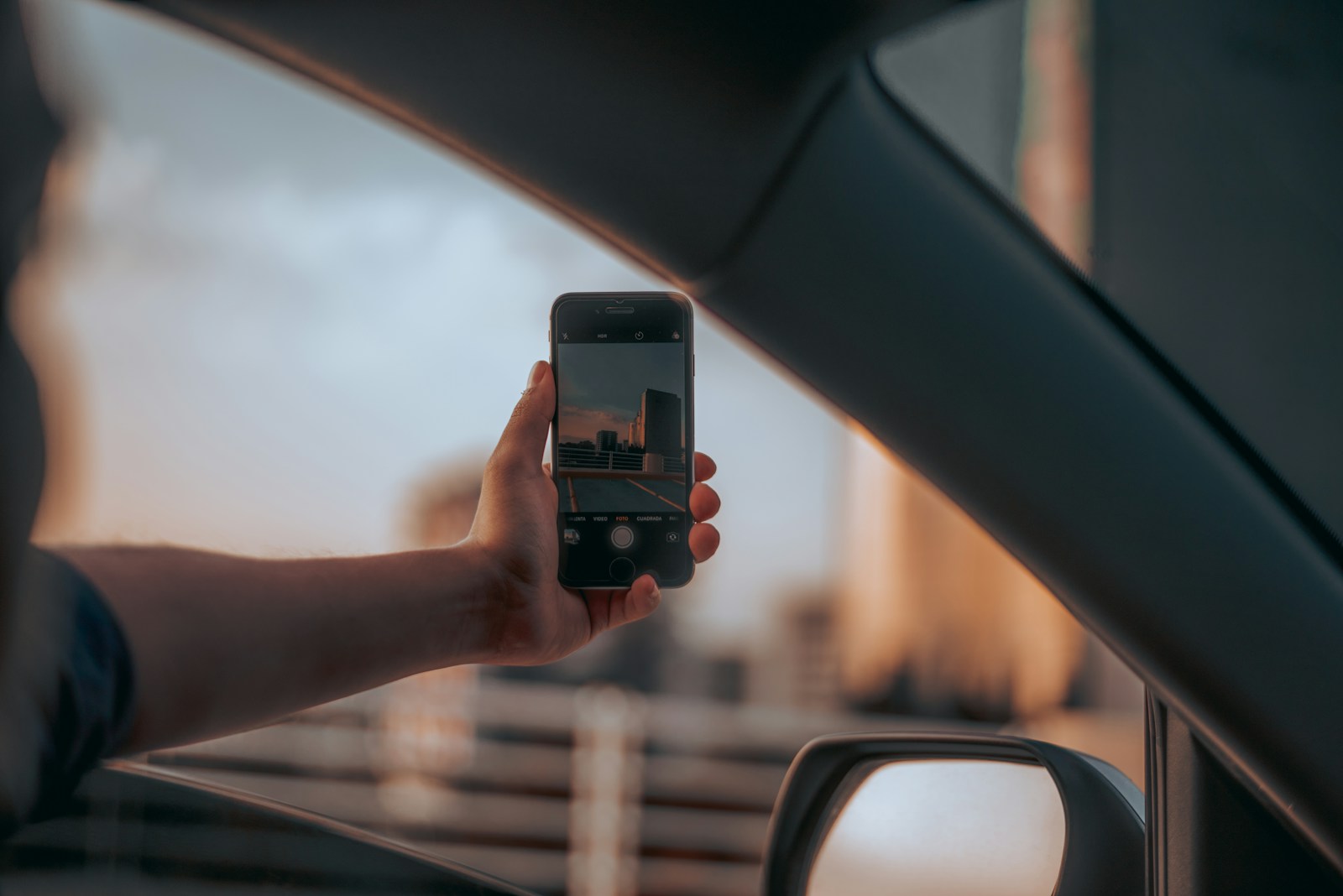

You spot a quick clip on your screen and imagine capturing the moment — but new legislation could make that impulse illegal when the vehicle is moving. If passed, the bill would bar initiating, participating in, viewing, or interacting with livestreams while driving and could impose fines or license penalties when distracted operation causes a crash.
They will explore what the proposed ban would mean for everyday drivers, for professionals who stream from vehicles, and for enforcement on the road. Expect a clear look at penalties, exceptions, and the wider safety and legal questions that follow.
What the Proposed Livestreaming Ban Means for Drivers
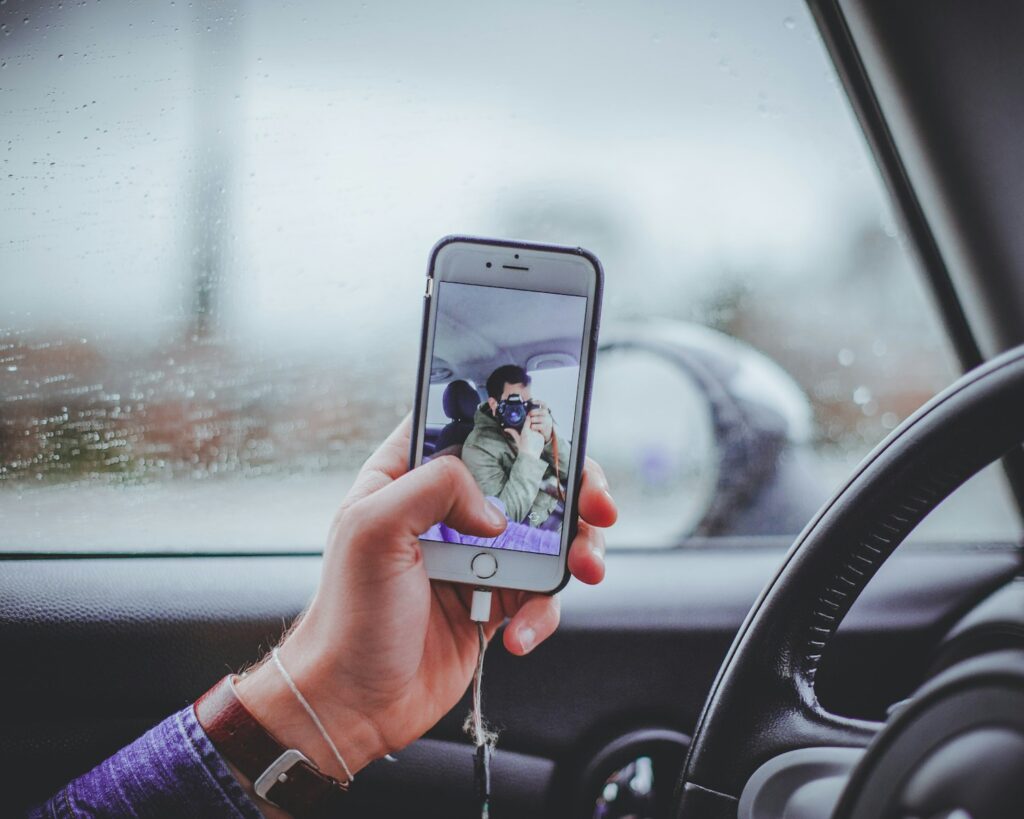
The bill would make livestreaming from a moving vehicle illegal for most situations and attach penalties when livestreaming contributes to a crash. Drivers should expect specific prohibitions, fines, and possible license actions if lawmakers approve the measure.
Key Details of the Legislation
The proposal forbids a driver from initiating, participating in, viewing, or interacting with any livestream while operating a moving motor vehicle. It covers livestreaming on social platforms and live video calls; recording short videos in motion is also targeted where those actions qualify as live interaction.
The text includes a narrow exception for reporting emergencies or crimes, meaning a driver who livestreams to document an urgent incident may be allowed. The prohibition applies regardless of vehicle type and is written to complement existing hands-free laws rather than replace them.
Drivers who need to use navigation or receive audio-only directions would still be expected to use hands-free setups. Lawmakers framed the rule to deter deliberate broadcasting of driving behavior and stunt-like activities that have led to crashes elsewhere, such as the Illinois incident referenced in coverage.
Penalties and Civil Consequences
Under the current draft, penalties escalate if livestreaming is tied to a crash. A driver involved in an accident while livestreaming could face a fine up to $500 and a possible license suspension. Those penalties aim to create a clear civil consequence for distracted operation that results in harm.
Enforcement would rely on police determining whether livestream activity contributed to the crash, which could complicate collision investigations. Courts may consider livestream evidence in civil suits, increasing exposure to damages if negligence is shown. Insurance companies could raise rates or deny coverage where policy language ties exclusions to risky behavior such as livestreaming while driving.
Repeat offenses or incidents causing serious injury could prompt higher administrative penalties from the DMV. Drivers should understand both the traffic-level fines and the broader civil and insurance implications of livestreaming-related collisions.
Impact on Distracted Driving Statistics
If adopted and enforced, the law targets a specific form of visual-manual distraction linked to recent high-profile crashes. Livestreaming creates prolonged attention diversion and interactive behavior that studies associate with higher crash risk compared with momentary glances.
Policymakers expect measurable reductions in crashes caused by intentional broadcasting, though impact will depend on enforcement intensity and public awareness campaigns. Data from similar bans—such as restrictions on handheld phone use—suggests compliance rises when penalties are paired with visible enforcement and education.
Agencies tracking traffic safety would likely add livestreaming as a coded factor in crash reports to assess trends. That would help quantify changes in distracted driving rates and inform whether further adjustments to civil penalties or criminal charges are warranted.
Broader Effects of Livestreaming Restrictions
These restrictions target safety risks tied to real-time video use in vehicles, outline narrow exemptions for emergencies and official duties, and align with but sometimes extend existing distracted-driving laws in other states. Public reaction splits between safety advocates and people who use live video for community alerts or work.
Who Is Exempt and Special Circumstances
Legislation commonly carves out narrow exceptions for reporting emergencies or crimes, allowing drivers to livestream only when relaying immediate public-safety information. Law enforcement investigators, first responders, and credentialed journalists often receive explicit exemptions or allowances for work-related recording while moving.
Courts may consider intent and context; a driver streaming storm damage while stopped would likely not face penalties, but continuous live interaction while driving could. Some bills permit hands-free transmission if no manual device handling occurs, mirroring broader “touch” laws. Drivers who can show they pulled over or used passenger-operated equipment can avoid fines or license actions.
Comparison to Existing Distracted Driving Laws in Other States
Several states already ban manual phone use or require hands-free operation; new livestream limits typically build on those frameworks. For example, Illinois passed a law preventing streaming while driving, adding specific penalties for livestreaming during collisions, while other states focused on touch-screen interaction or video recording bans.
Differences include penalty severity, whether suspension is discretionary, and how emergencies are defined. Some states treat livestreaming as per se distracted driving; others require proof that streaming caused an incident. The variations affect enforcement: stronger statutes allow traffic stops for observed livestreaming, while narrower laws rely on post-crash investigations to apply fines.
Community Reactions and Public Safety Concerns
Safety advocates emphasize reduced crash risk, citing distracted-driving crash data and calls for clearer enforcement tools. Families of crash victims and traffic-safety groups tend to support bans that remove incentives for performance-oriented driving.
Opponents warn the rules could hinder real-time reporting of hazards like flash floods or crowd incidents, especially in areas where official alerts arrive slowly. Storm chasers, volunteer spotters, and community journalists argue exemptions must be clear to avoid chilling public-interest livestreams. Lawmakers and police face pressure to balance immediate community alerts against preventing risky, attention-diverting behavior behind the wheel.
More from Steel Horse Rides: