
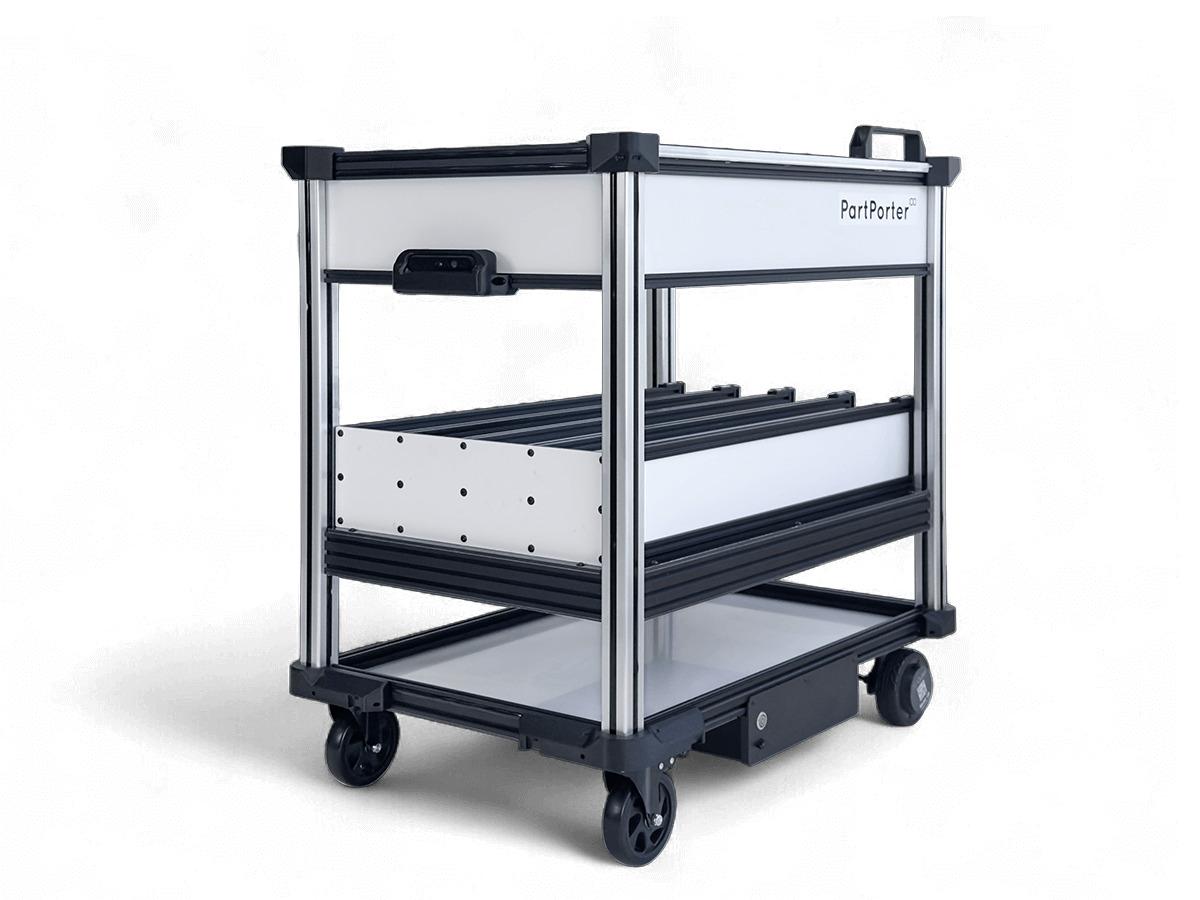

Quasi Robotics has cleared a major regulatory hurdle for its autonomous warehouse fleet, securing CE and UKCA approvals for its Model C2 autonomous mobile robots. The certifications open the door to scaled deployments across the European Union and the United Kingdom, signaling that the company’s safety engineering and documentation now meet some of the world’s most demanding industrial standards.
The move also crystallizes Quasi Robotics’ broader strategy: pairing advanced autonomy with a compliance-first design philosophy so logistics operators can modernize their facilities without gambling on unproven technology or unclear legal footing.
What CE and UKCA certification means for Model C2
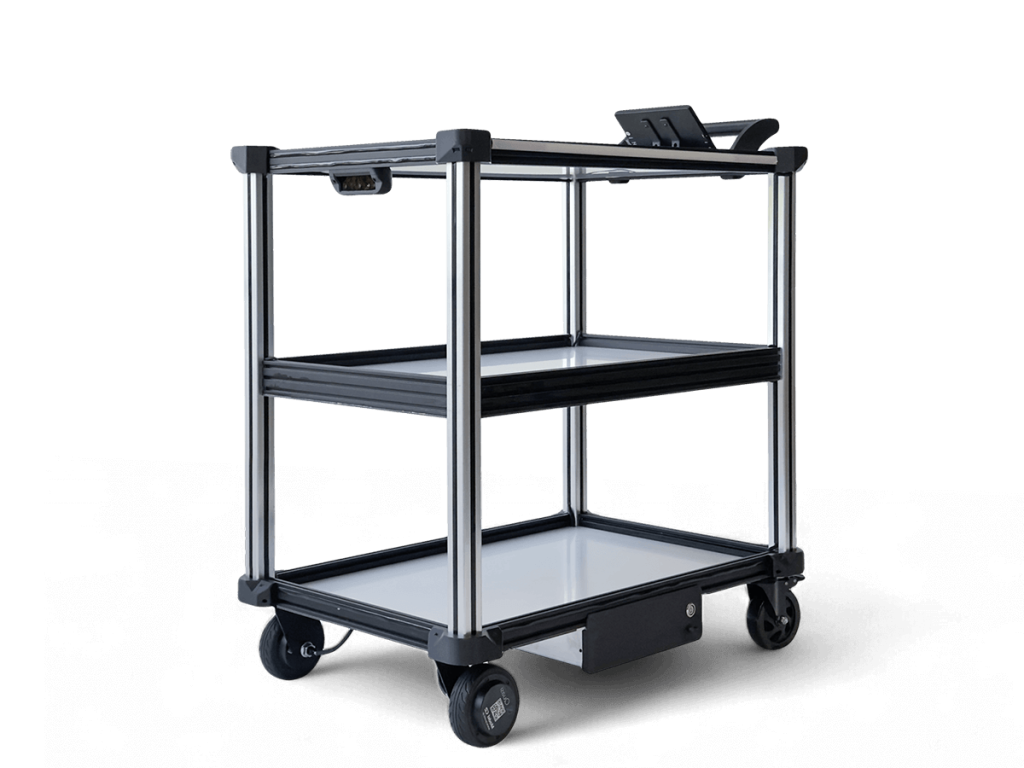
For warehouse operators, CE and UKCA marks are more than regulatory logos, they are shorthand for a robot that has survived exhaustive scrutiny of its electrical safety, functional behavior, and integration into busy human environments. Quasi Robotics states that its Model C2 Autonomous Mobile Robots achieved both CE and UKCA certification after rigorous testing, formally authorizing the carts for commercial use across the EU and UK and giving buyers confidence that the platform aligns with regional machinery and low-voltage rules as well as electromagnetic compatibility requirements across the EU and UK. In practical terms, that means procurement teams can treat the C2 as a ready-to-deploy asset rather than a science project that still needs local approvals.
The certification milestone fits into a broader compliance architecture that Quasi Robotics has been building into its product line from the outset. The company positions itself as a provider of intelligent automation solutions and AMR delivery robots that are engineered for real-world environments, with its flagship C2 platform and related offerings described as turnkey systems rather than experimental prototypes for intelligent automation. By aligning its engineering roadmap with European and UK regulatory expectations, the company is effectively translating that positioning into legally recognized credentials that matter to risk-averse logistics, manufacturing, and e‑commerce operators.
Inside Quasi’s compliance-first engineering playbook
Behind the new approvals sits a detailed framework that Quasi Robotics describes as “Two Regulatory Models, One Engineering Approach for Reliable AMR Compliance, Global.” Instead of treating each jurisdiction as a separate design problem, the company builds a single safety and documentation stack that can be mapped onto different regional rulesets, then validates that stack through structured testing and third-party review for autonomous mobile robots for reliable AMR compliance. That approach reduces the risk that a feature added for one market will inadvertently break compliance in another, a common headache for global robotics vendors.
The company’s documentation emphasizes a trio of building blocks it labels “Formal, Compliance and, Objective,” reflecting how it structures its evidence for regulators and customers. Quasi Robotics highlights formal risk assessments and hazard analyses, detailed compliance and traceability matrices that map every requirement to specific tests or design artifacts, and objective evidence that the robot behaves as claimed in real facilities through formal assessment. That level of traceability is increasingly a prerequisite for insurers and corporate safety teams that must sign off on autonomous systems operating alongside employees and forklifts.
Privacy and data governance are also embedded into the compliance story. Quasi Robotics specifies that its robots are designed with no collection or storage of personally identifiable information, no audio recording or media storage, and that their Vision systems are used solely for navigation and safety rather than surveillance or biometric profiling with no PII and Vision limits. For European buyers operating under strict privacy regimes, those design choices can be as important as collision avoidance or uptime guarantees when evaluating which AMR platform to standardize on.
From flagship C2 to a broader AMR ecosystem
The newly certified Model C2 sits at the center of a growing ecosystem that Quasi Robotics has been steadily expanding. The company has described its C2 as a Flagship Model AMR and has paired it with a Q.AI intelligence layer and a Cloud Connect Platform, positioning the combination as a complete stack for orchestrating autonomous material movement in FREDERICK and beyond as a Flagship Model AMR. On the software side, features such as Go Zones, an Intuitive interface for defining restricted No‑Go Zones, and New Speed Zones that Configure robot behavior by area are designed to give safety managers granular control over how carts move through complex facilities with Go Zones and New Speed Zones.
Quasi Robotics has also experimented with business models that lower the barrier to entry for automation. By offering the Model C2 through Robot‑as‑a‑Service subscriptions, the company allows customers to access autonomous delivery capability for one predictable monthly service fee instead of a large upfront capital purchase through a Model C2 subscription. That flexibility is particularly attractive for third‑party logistics providers and contract manufacturers that need to match automation capacity to fluctuating volumes without locking in long depreciation schedules.
The hardware portfolio is widening alongside the software stack. Quasi Robotics has introduced Q.AI v2 with new features based on customer feedback and has extended its C2 platform into variants such as PartPorter for large material handling, creating a family of carts that share a common autonomy core with Q.AI v2 and PartPorter. External reporting has highlighted additional launches such as the C2 Model PartPorter and C2 Mini, underscoring how Quasi Robotics is targeting use cases from small‑parts kitting to heavy fabrication and computer software production with a consistent design language through C2 Model PartPorter and Mini. As these platforms roll into CE and UKCA‑covered markets, buyers will be looking not only at the robots themselves but also at how quickly they can access documentation, training, and technical specifications, an area where vendors that provide fast Access to information at your fingertips and comprehensive reference tools have a clear advantage through better Access to information. In that context, Quasi Robotics’ dedicated compliance resources and product documentation portal for AMR compliance are likely to be as central to adoption as the robots’ headline performance metrics.
More from Wilder Media Group: