


Many drivers today are considering switching from gas-powered vehicles to electric cars as the automotive landscape evolves. Advances in technology and growing environmental concerns have made electric vehicles (EVs) a viable alternative for everyday transportation.
Switching to electric cars offers several practical benefits that address cost, convenience, and environmental impact. Understanding these advantages can help consumers make an informed decision about the best choice for their driving needs.
Significantly Lower Carbon Footprint Compared To Gas Cars

Electric vehicles produce fewer greenhouse gas emissions across their entire life cycle compared to gasoline cars. This includes manufacturing, operation, and disposal phases.
They emit no tailpipe pollutants during use, which directly reduces air pollution in urban areas. Even when accounting for electricity generation, EVs generally have a smaller carbon footprint.
As power sources become greener, the emissions associated with charging EVs will continue to decline, further lowering their environmental impact.
Elimination Of Tailpipe Emissions Reduces Air Pollution
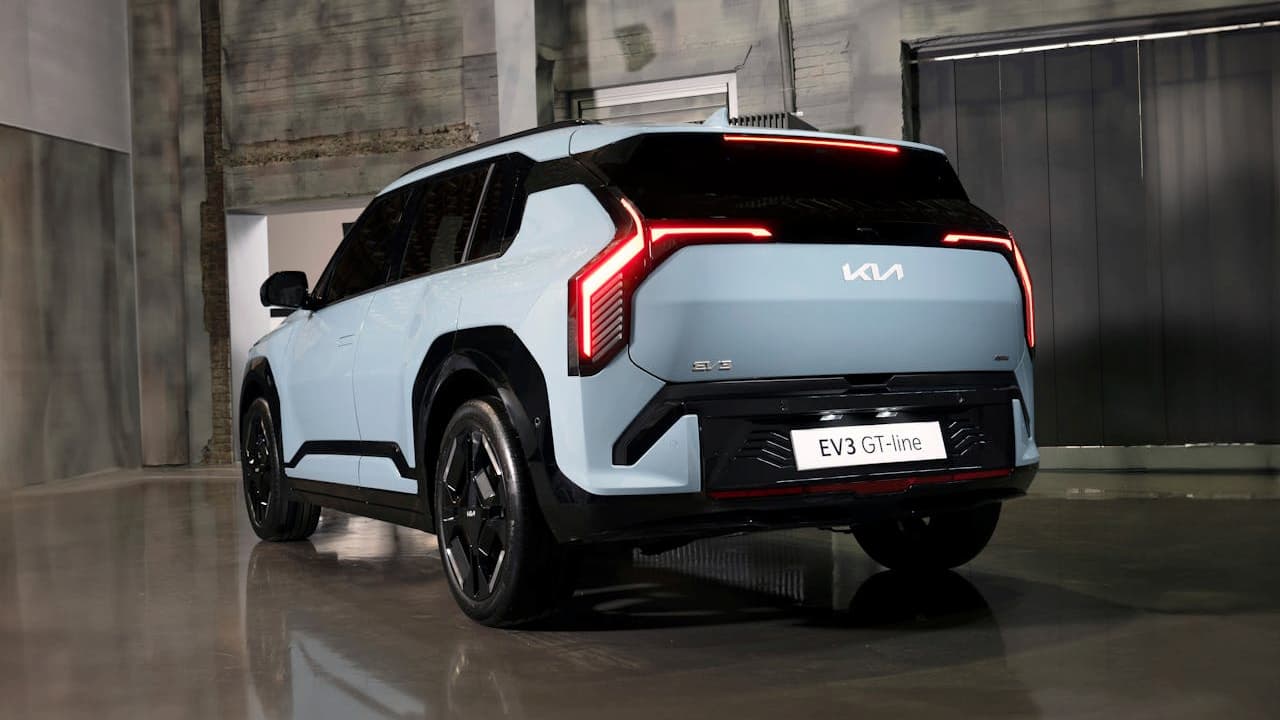
Electric vehicles produce no tailpipe emissions, which directly cuts down pollutants like nitrogen oxides (NOx) and particulate matter (PM2.5). These pollutants contribute to smog and respiratory problems in urban areas.
Because electric cars don’t emit exhaust, they improve air quality, especially in densely populated regions. Reduced tailpipe pollution benefits vulnerable populations, including children and the elderly.
Additionally, regenerative braking in electric vehicles lowers brake wear, further decreasing particulate pollution linked to traditional braking systems.
Substantially Lower Fuel Costs As Electricity Is Cheaper Than Gasoline
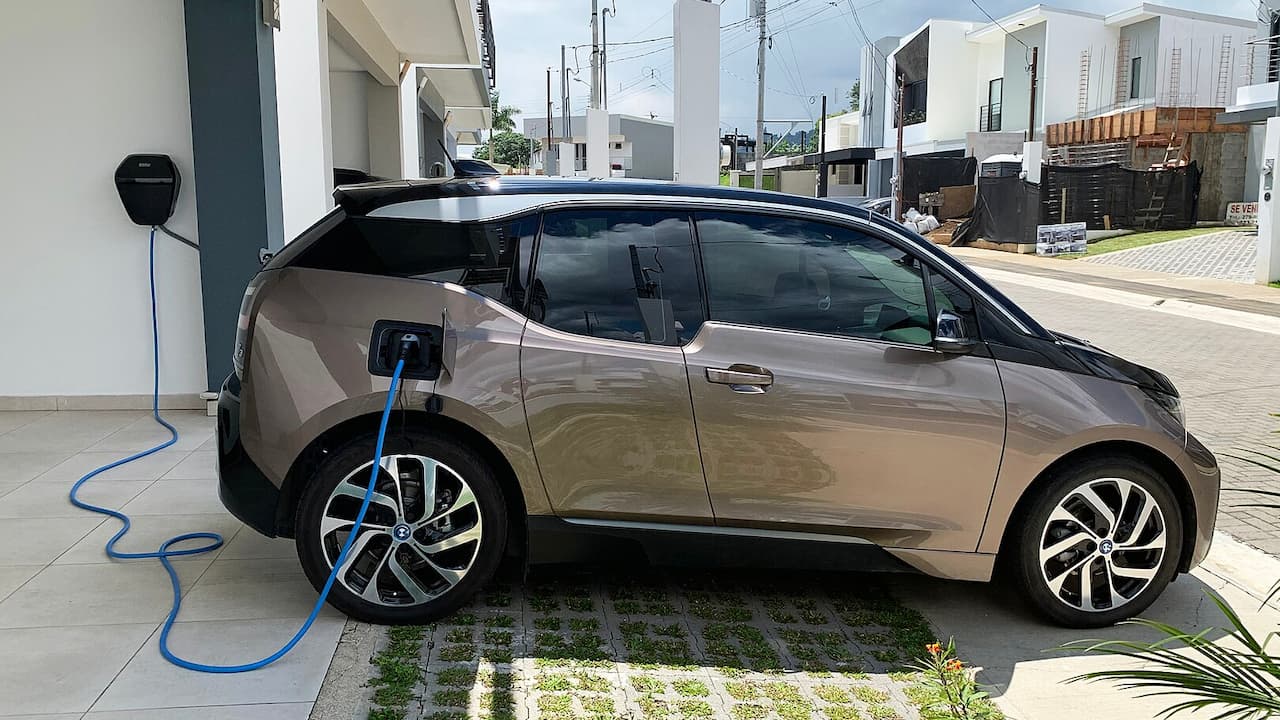
Electric vehicles (EVs) cost significantly less to run compared to gas-powered cars. Charging an EV typically costs 40-65% less than filling a tank with gasoline.
Annual savings can reach around $600 to $1,100, depending on local electricity rates and driving habits.
The higher efficiency of electric drivetrains means less energy is wasted, contributing to reduced fuel expenses over time.
Reduced Maintenance Due To Fewer Moving Parts
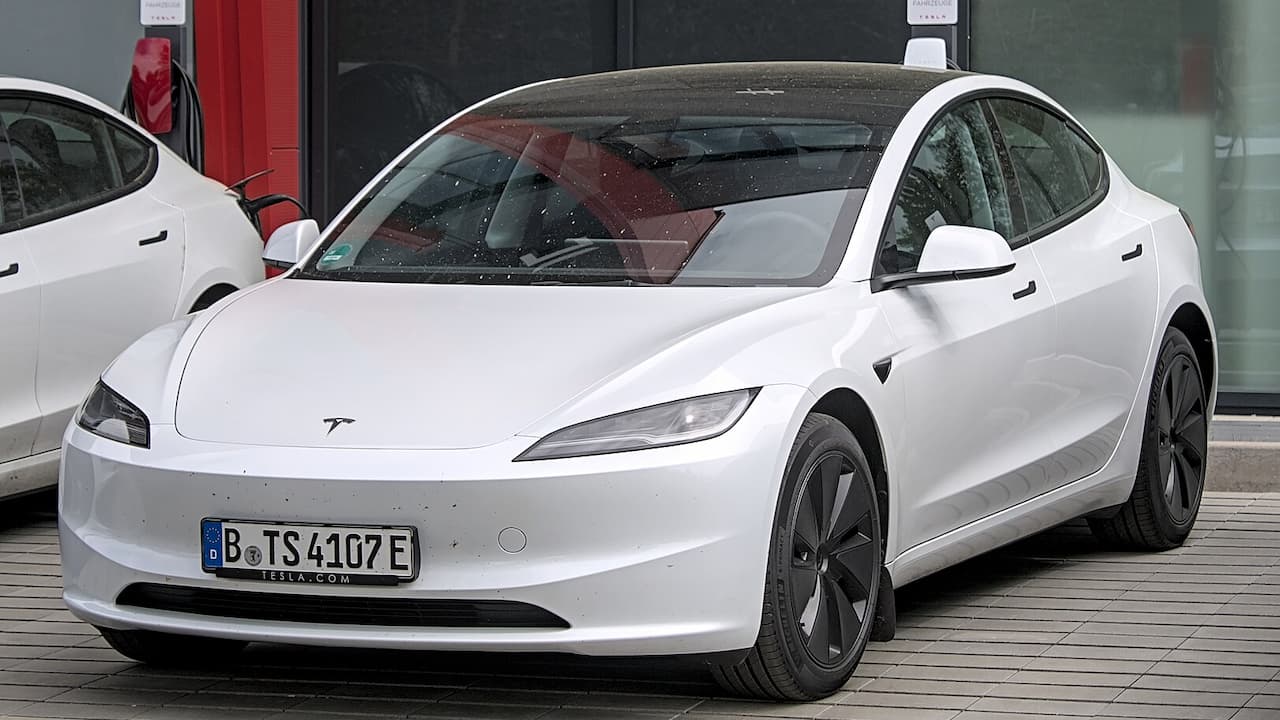
Electric vehicles contain significantly fewer moving parts compared to gasoline cars. This reduction leads to lower chances of component failure and less frequent servicing.
They do not require oil changes, transmission repairs, or many other standard maintenance tasks necessary for internal combustion engines. This simplicity often translates to reduced maintenance costs over the vehicle’s life.
The fewer components also contribute to greater reliability and durability, making electric cars easier to maintain for owners.
Ability To Drive In Carpool Lanes Regardless Of Passenger Count

Electric vehicles (EVs) have typically been allowed to use carpool or high-occupancy vehicle (HOV) lanes regardless of the number of passengers. This access supports reduced emissions and lowers traffic congestion.
However, some regions, like California, plan to restrict carpool lane use to actual carpools starting September 2025. This change will exclude many hybrids, electric, and alternative fuel vehicles from solo-use privileges in HOV lanes.
Smoother And More Responsive Acceleration Experience

Electric vehicles deliver power instantly through their electric motors. This allows for immediate torque, resulting in quicker and smoother acceleration compared to gas engines.
They have fewer moving parts, reducing mechanical friction and energy loss. This design provides a more responsive driving experience with less delay.
Drivers will notice a quieter and more consistent acceleration in electric cars. This contributes to a controlled and comfortable ride, especially in stop-and-go traffic.
Quiet And Comfortable Cabin With Less Noise Pollution

Electric cars produce significantly less noise than gas vehicles, especially at lower speeds. This results in a quieter cabin environment, enhancing comfort during drives.
The reduced noise also lowers overall noise pollution, benefiting urban areas and residential neighborhoods. Passengers and pedestrians experience less disruption from loud engine sounds.
At higher speeds, road and tire noise become more noticeable, but electric cars still maintain an advantage in noise reduction compared to traditional combustion engines.
Availability Of Government Incentives And Rebates

Many governments provide financial incentives to support electric vehicle adoption. These can include tax credits, rebates, and discounts on electricity rates.
State programs often offer additional benefits like bill credits or reduced charging costs. Such incentives help offset the higher upfront price of electric cars.
Utilities may also participate by giving credits or rebates for installing home chargers. These measures aim to make electric vehicles more affordable and accessible.
No Dependence On Fluctuating Gas Prices
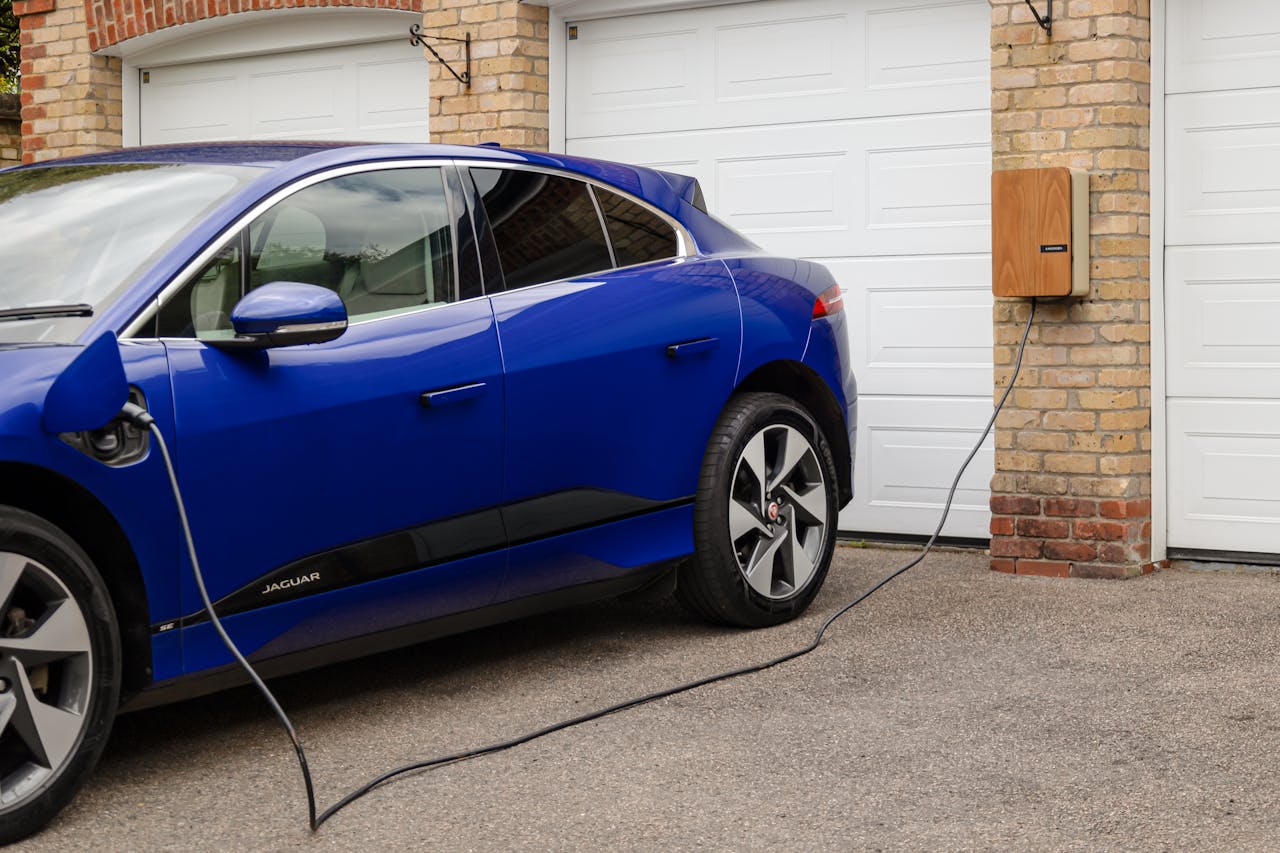
Electric cars eliminate the need to buy gasoline, which is subject to frequent and unpredictable price changes. Drivers can avoid the impact of rising gas prices that often affect transportation costs.
Charging an electric vehicle typically costs less than refueling a gas car. Home charging provides a stable and more affordable option, reducing exposure to market volatility.
Decreased Overall Environmental Impact Through Renewable Energy Use
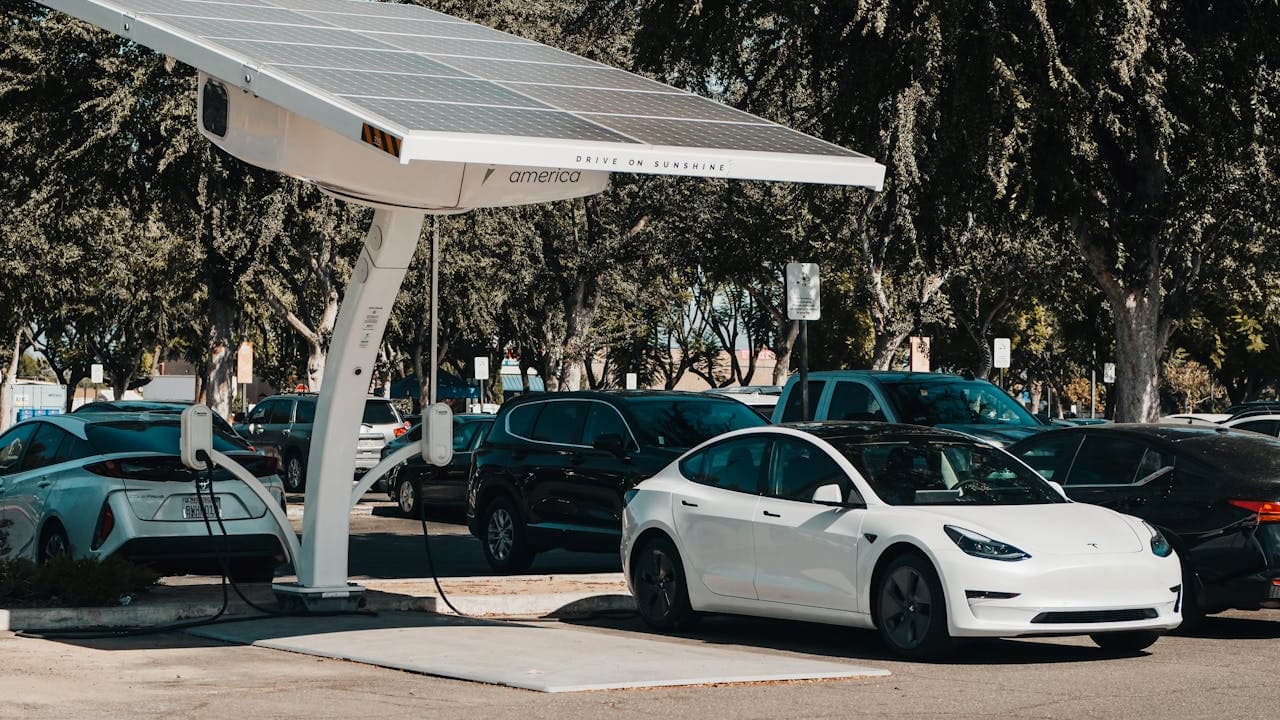
Electric vehicles (EVs) can be charged using electricity from renewable sources like wind and solar power. This reduces their carbon emissions compared to gasoline cars.
Since the energy source can be cleaner, EVs have the potential to lower greenhouse gas emissions over time. This depends on the energy mix used for charging.
Using renewable energy for EVs supports a shift away from fossil fuels. It also encourages investments in clean energy infrastructure.
Reduced need for frequent oil changes and engine servicing
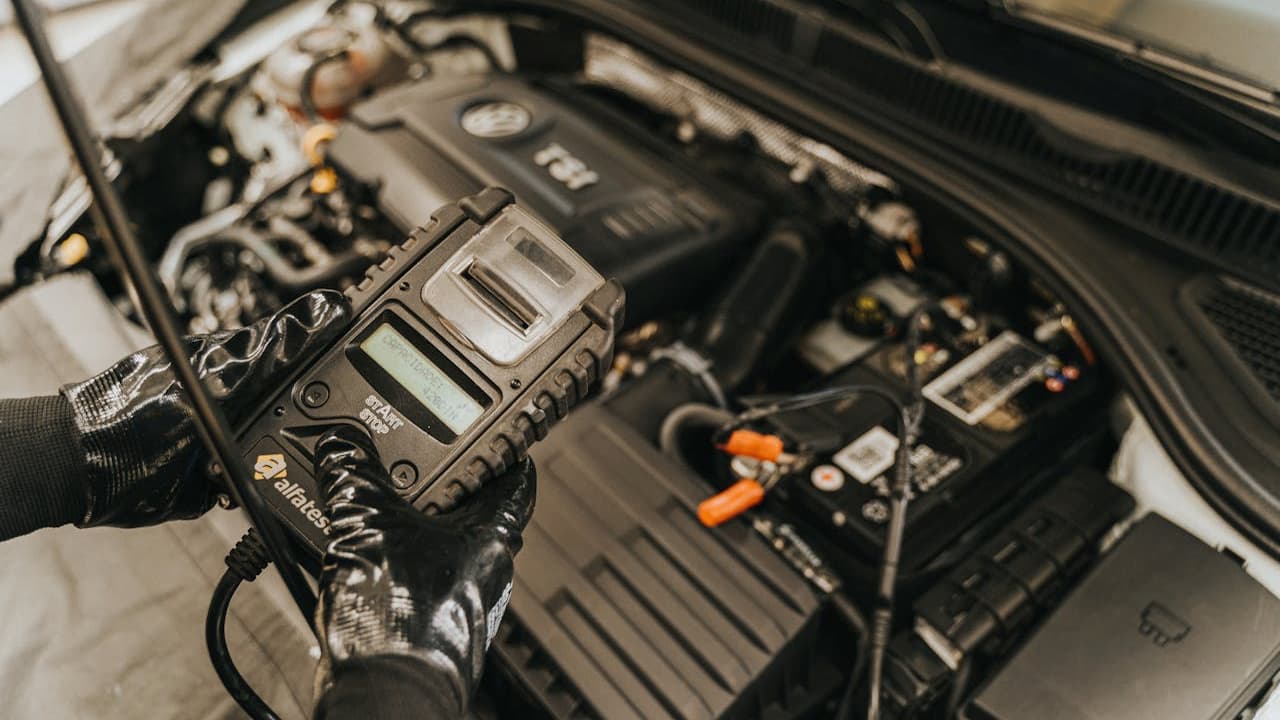
Electric vehicles do not have traditional internal combustion engines. This eliminates the need for regular oil changes, which are required in gas cars.
Without oil, spark plugs, or complex engine components, the maintenance schedule for EVs is simplified. This reduces both the time and cost associated with engine servicing.
Fewer moving parts also mean fewer potential points of failure. Owners experience less frequent trips to the mechanic compared to gas car maintenance demands.
Longer Lifespan Of Electric Motors Versus Combustion Engines
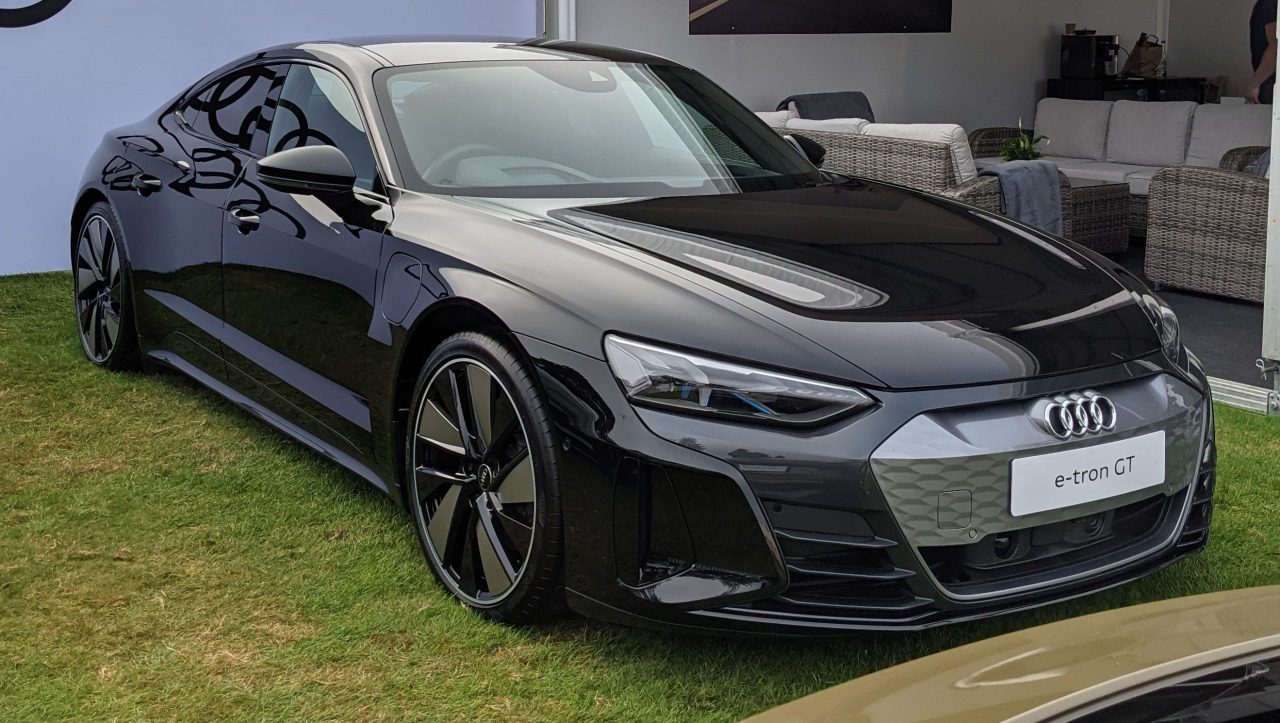
Electric motors have fewer moving parts compared to combustion engines. This mechanical simplicity reduces wear and the likelihood of breakdowns.
Combustion engines contain many components like pistons and valves, which are prone to failure over time. Electric motors generally require less maintenance.
While electric vehicle batteries have limited lifespans, most EVs do not need battery replacements during typical ownership. This contributes to their overall durability compared to gas cars.