

Parking fines are annoying enough when they are real. The bigger headache now is a wave of fake tickets and bogus payment demands that look official at first glance but are designed purely to harvest cash and personal data. That is where one simple red flag in parking fine notices comes in: if the message arrives out of the blue, especially by text, drivers may be better off ignoring it until they have checked it forensically.
Scammers know that most people panic when they see the words “unpaid fine” and a countdown to extra fees. They lean on that fear to rush drivers into tapping a link or scanning a code before anyone stops to ask whether a genuine authority would contact them that way in the first place.
The red flag that should make drivers hit pause
The clearest warning sign is a parking fine that appears first by text message, often claiming that a vehicle has an outstanding balance and that extra penalties will land within hours if the person does not pay. In one widely shared alert, DRIVERS were told they had an unpaid ticket and were pushed toward a payment link, even though they had never seen a paper notice on the car or a letter through the door. That mismatch is the big red flag: a legitimate Penalty Charge Notice or private Parking Charge Notice usually starts as a physical ticket or an official postal letter, not as a random SMS.
Security teams have been blunt about this pattern. Guidance on fake parking fine explains that enforcement bodies do not begin a case by pinging someone on their mobile with a payment link, especially when the driver has never appealed or given consent to be contacted that way. When a message claims to be about a PCN or Penalt but arrives as a cold text, the safest first move is to ignore the link, independently check any reference number on the official council or parking firm website, and only then decide whether there is anything to pay.
How scammers copy real tickets, from windshields to QR codes
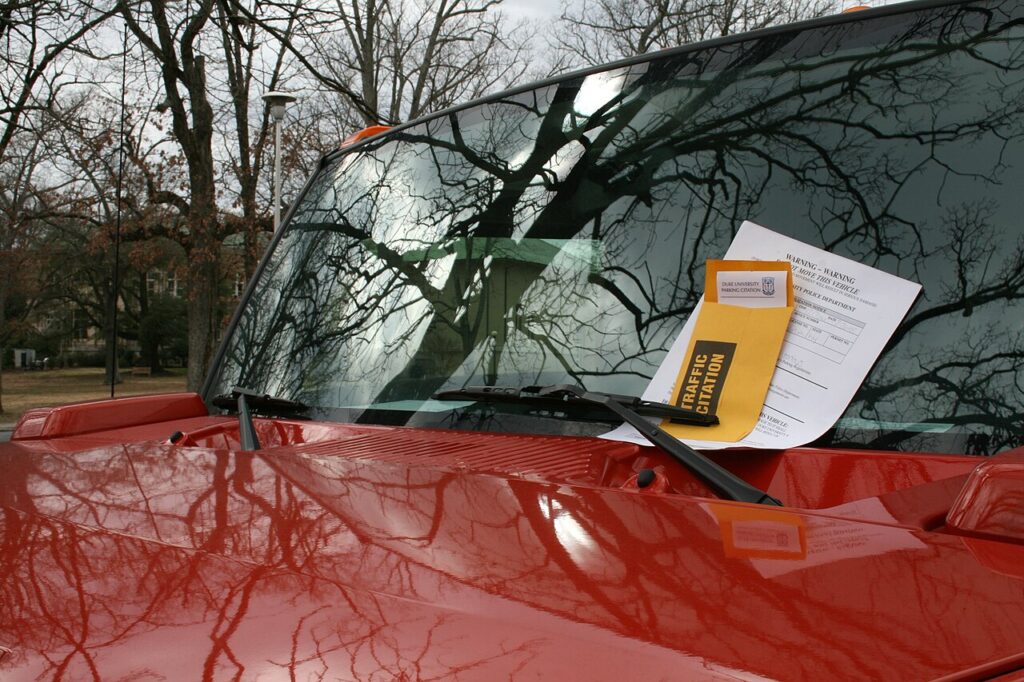
The fraud does not stop at texts. Scammers are also printing physical tickets that mimic local authority fonts, yellow and black color schemes, and even wording such as “Penalty Charge Notice” or “Parking Charge Notice.” Reports of fake tickets on describe how scammers slip near-perfect imitations under wipers in busy areas, betting that stressed drivers will pay up without checking the small print. Some versions even quote plausible car models such as a Volkswagen Golf or a Ford Focus, but the fine detail around the issuing authority, legal wording, and payment methods gives the game away.
Online, the same trick is playing out in email inboxes and messaging apps. Guides to spotting a fake warn that increasing numbers of drivers are being lured into paying through unofficial portals that copy the look of council payment pages but sit on completely different web domains. Some of these fakes lean heavily on QR codes, which are printed on the ticket or embedded in the text and promise a quick route to settle the balance. Cyber experts quoted in coverage of QR code parking advise treating any unexpected code as suspect, since one scan can send a driver straight to a cloned site that harvests card numbers or installs malware.
Simple checks that separate real fines from scams
Seasoned parking wardens and consumer advisers tend to repeat the same basic checks, because they work. First, a genuine ticket should clearly name the issuing authority or company, list a verifiable address, and show a registration number that exactly matches the vehicle. Consumer advocates who have tracked How the parking note that scammers often get one or two of those details slightly wrong, such as a street name that does not exist or a timestamp that makes no sense for where the car was parked. If anything looks off, drivers are urged to bin the ticket or report it rather than pay.
Second, the payment channel matters. Warnings about traffic ticket scams highlight that crooks love methods that are hard to reverse, such as gift cards, Cash App transfers or obscure crypto wallets. By contrast, real parking authorities usually direct drivers to secure portals that sit on official domains or to automated phone lines listed on council websites. If a notice offers only a QR code and a vague URL, or if a text insists on instant payment to an unknown account, that is another reason to step back. Local alerts about a Scam PCN text have stressed that drivers should never share card details or personal data in response to a message like that, and should instead contact the council or parking operator using numbers from their own independent search.
More from Wilder Media Group: