

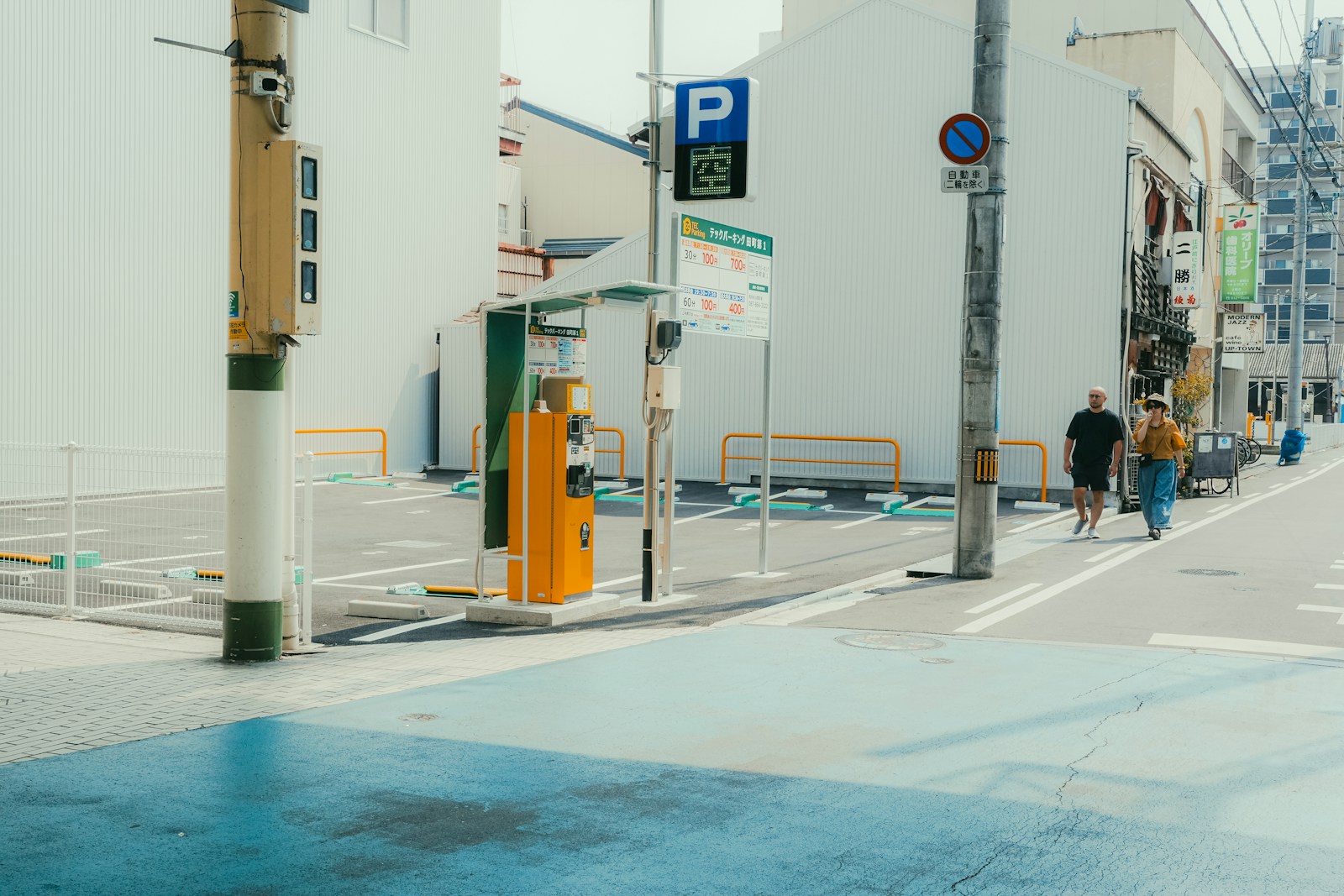
You may face noticeably higher daily commuting costs if the expanded parking meter program moves forward, especially in high-demand neighborhoods where rates and hours are rising. Expect more out-of-pocket spending on parking and a bigger hit to weekly budgets if your usual streets become metered or dynamic pricing is applied.
Neighbors have already pushed back in other cities as meters spread into residential areas and event zones, arguing the changes shift costs onto people who drive to work and shop locally. The article explores how expanded meters change daily expenses, what residents are saying, and the wider effects on local businesses and street use.
How Expanded Parking Meters Influence Daily Commuters
Expanded meters, higher rates, and longer enforcement hours directly change commuter budgets and behavior. Drivers face bigger daily bills, altered trip timing, and new parking patterns that push demand into nearby streets and lots.
Rising Parking Fees and Daily Costs
Many commuters now pay meter rates that doubled in some areas, increasing typical hourly parking from about $1.25 to $2.50 in city-managed spaces. For someone who parks four hours a weekday, that change can add roughly $20–$40 to weekly expenses depending on whether evenings or Sundays are now charged.
Beyond hourly fees, proposed surge pricing and dynamic rates during peak times could push individual session costs much higher, particularly near high-demand destinations like Balboa Park or commercial corridors.
Commuters who previously relied on free curbside spaces may switch to paid lots or transit if monthly costs exceed commuting alternatives. Employers and parking managers may see more requests for subsidies, permit changes, or flexible scheduling to avoid peak charges.
Parking Meter Expansion Plans and Affected Areas
The city study recommends adding meters in residential and destination zones, extending enforcement hours, and introducing dynamic pricing in high-occupancy districts. Areas mentioned in public discussions include Mission Beach, Balboa Park adjacency, and business districts such as Pacific Beach.
These expansions target on-street parking previously free during evenings or Sundays. That means residents and workers near beaches, parks, and tourist draws could face new fees for routine trips and errands.
City proposals also include amending municipal code to allow variable rates and charging in city lots near major attractions. Implementation requires updated signage, staffing, and digital payment systems — all of which influence how quickly meters reach daily commuters.
Shifting Parking Demand to Surrounding Neighborhoods
When meters spread into high-demand zones, drivers often seek free curbspace in adjacent residential streets. That increases competition for on-street parking outside metered areas and can lead to permit program expansion or stricter residential enforcement.
Local businesses risk lost customers if shoppers refuse to pay for short visits and instead circulate looking for free parking, raising congestion. Conversely, some commuters might choose public transit or park-and-ride options, reducing on-street demand but increasing pressure on transit capacity during commute hours.
Cities frequently respond with residential permit zones, time limits, or expanded metering, creating a feedback loop: meters push demand outward, which triggers more regulation.
Community Reactions and Broader Urban Impact
Residents worry about direct costs and neighborhood spillover, while businesses stress customer loss and delivery disruptions. City-level choices about enforcement, permits, and congestion pricing will shape who pays and how traffic patterns change.
Concerns from Residents and Local Businesses
Many residents say daily commutes will become noticeably more expensive if meter rates or hours expand. Commuters who park near transit stops or downtown offices expect a steady rise in monthly parking bills, and freelancers who move between client sites anticipate unpredictable costs.
Local shops fear reduced foot traffic if shoppers avoid metered streets. Delivery windows and loading zones are already tight; businesses worry stricter parking enforcement will mean more missed deliveries and higher operating costs. Several merchants asked the city for clearer exemptions for short-term loading and for meters that accept business permits.
Residential Parking Permits and Enforcement Issues
Neighborhoods pressed the council to strengthen residential parking permit programs to prevent commuter spillover into side streets. Residents want permit pricing tied to household size and vehicle count, not a flat fee that disproportionately burdens multi-car families.
Enforcement capacity emerged as a practical concern. They pointed out limited staffing and inconsistent ticketing in past rollouts, which could let nonresidents occupy permit-only zones. Suggested fixes included digital permit validation, license-plate-based enforcement, and targeted patrols during peak hours to reduce gaming of the system.
Urban Planning, Equity, and Congestion Pricing Effects
Urban planners noted expanded meters interact with broader goals like reducing car dependence and funding transit improvements. Some advocates recommended pairing meter revenue with increased bus frequency and last-mile shuttles to give commuters affordable alternatives.
Equity issues surfaced: lower-income workers and service employees could face a regressive cost burden without exemptions or capped monthly rates. Congestion pricing trials came up as a complement to meters — priced access during peak times could cut downtown vehicle trips, but only if revenues subsidize transit and if exemptions protect residents and essential service vehicles.