

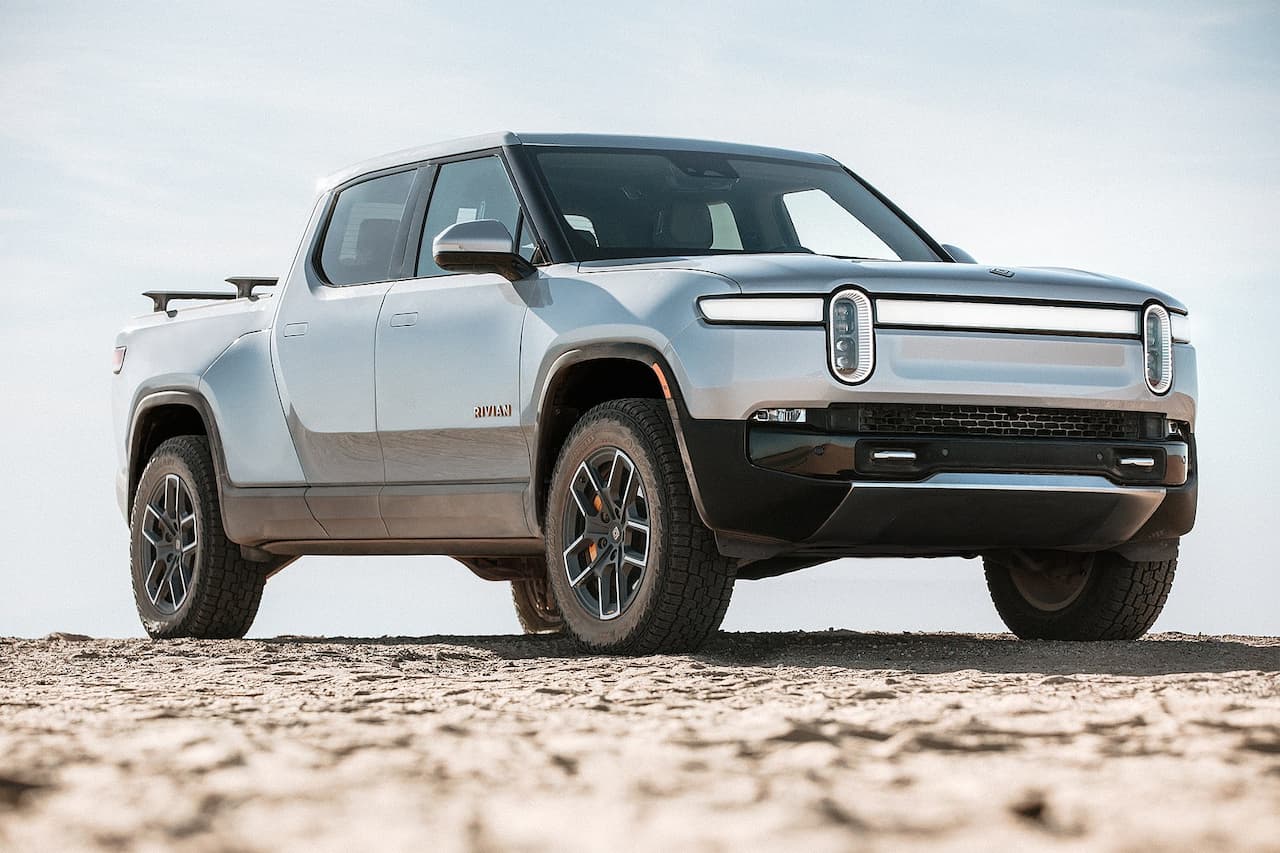
As interest rates climb, potential buyers are increasingly being priced out of the full-size truck market, a trend that could significantly reshape the automotive landscape. According to recent reports, the average interest rate for a 60-month auto loan has surged to 6.17% as of October 2023, compared to just 4.25% a year prior, impacting consumer affordability and driving preferences.
The Impact of Higher Interest Rates
Higher loan rates are making it more difficult for consumers to finance full-size trucks, which can often carry hefty price tags. For instance, a popular model like the 2023 Ford F-150 starts at around $34,000, but with rising interest rates, monthly payments can skyrocket. Buyers are now facing monthly payments that could exceed $700, a significant increase that many find unsustainable.
The Federal Reserve’s decision to raise interest rates to combat inflation has led to increased borrowing costs across various sectors, and the auto industry is no exception. The higher the interest rate, the more buyers will pay over the life of the loan, which can deter many from making a purchase, especially in a market where the price of trucks has already seen a considerable increase due to supply chain issues and high demand.
Shifts in Consumer Preferences
As affordability becomes a pressing concern, many potential truck buyers are reconsidering their options. According to a survey conducted by automotive research firm Edmunds, nearly 40% of consumers are contemplating moving to smaller vehicles, such as compact cars or SUVs, which typically come with lower price tags and financing costs. The shift away from full-size trucks could mean a significant decline in sales for manufacturers like Ford, Chevrolet, and Ram.
This trend is reflected in the latest sales data, which shows a 15% year-over-year decline in full-size truck sales for the third quarter of 2023. In contrast, compact and midsize truck segments have remained more stable, highlighting a marked shift in consumer priorities amid rising costs.
The Economic Ripple Effect
The decline in full-size truck sales may have broader economic implications. The automotive industry accounts for a substantial portion of the U.S. economy, and reduced sales could lead to decreased manufacturing output, impacting jobs in both production and sales. As manufacturers respond to lower demand, layoffs and plant closures may become more common, further exacerbating economic challenges in the sector.
Local dealerships are already feeling the pinch, with many reporting slower foot traffic and fewer inquiries about full-size models. “We’re seeing a lot of customers come in, but they’re often leaving without making a purchase because they simply can’t afford the payments,” says John Smith, a sales manager at a local Ford dealership. “People are looking for alternatives, and we’re trying to keep up with the changing consumer landscape.”
Manufacturer Responses
In response to these market shifts, some manufacturers are adapting by promoting their smaller truck models or offering incentives for buyers to consider more affordable options. Brands like Toyota and Nissan are ramping up marketing efforts for their midsize trucks, such as the Toyota Tacoma and Nissan Frontier, which offer a blend of utility and affordability.
There is also a growing trend towards electric and hybrid models, which can offer consumers lower operating costs and potential savings on fuel. As fuel prices continue to fluctuate, many buyers are looking for more fuel-efficient vehicles, which could further steer them away from traditional full-size trucks.
Looking Ahead
The outlook for the full-size truck market remains uncertain as interest rates are expected to remain elevated for the foreseeable future. Economic analysts predict that until inflation is under control, consumers will continue to feel the effects of higher loan rates, making it challenging for many to invest in larger vehicles.
For potential buyers, the current environment emphasizes the importance of careful financial planning before making a significant purchase. Experts recommend considering all options, including exploring financing through credit unions or looking for manufacturers that offer zero-percent financing for qualified buyers.
Take Action Now
As the automotive market continues to evolve amidst rising loan rates, consumers are urged to evaluate their purchasing power and explore various alternatives to full-size trucks. With the landscape shifting rapidly, now is the time to research, compare, and make informed decisions before committing to a purchase. Potential buyers should stay informed about market trends and emerging vehicle options to ensure they make the best choice for their needs and budget.