

On crowded highways and neighborhood streets alike, a flash of anger behind the wheel can now carry the same legal weight as a bar fight or a shooting in a parking lot. Road rage is no longer treated as a mere lapse in courtesy, it is increasingly landing drivers in handcuffs and courtrooms when a moment of fury turns into a criminal act. Across the country, prosecutors and police are treating these confrontations as serious violent offenses once a driver crosses the line from impatience to intentional harm.
Recent cases show how quickly a traffic dispute can escalate from horn blasts to gunfire, and from shouted insults to felony charges. They also reveal a justice system trying to draw a clearer boundary between aggressive driving and criminal road rage, with penalties that can stretch from steep fines and license suspensions to long prison sentences.
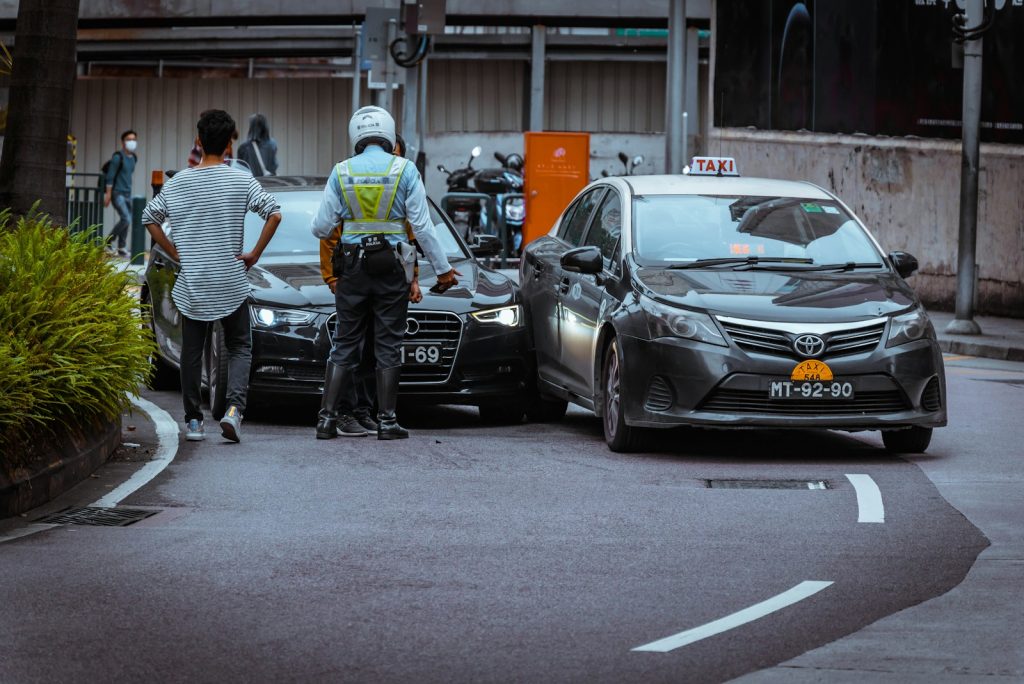
The split second when anger becomes a crime
Every driver has felt irritation in traffic, but the law only steps in when that frustration becomes deliberate, targeted behavior. Legal analysts describe a key threshold: aggressive driving is about risky maneuvers like speeding or tailgating, while criminal road rage begins when a driver intentionally uses a vehicle or weapon to threaten, intimidate, or hurt someone. One legal guide explains that the line is crossed when a driver’s aggression becomes personal and intentional, such as swerving at another car or forcing it into another lane of traffic, a distinction captured in guidance on When Does It.
Other attorneys frame the issue in terms of criminal intent, noting that aggressive driving can be a traffic offense, but road rage often involves crimes like assault, battery, or even attempted murder. One overview of common scenarios lists behaviors such as intentionally ramming another vehicle, brandishing a firearm, or chasing a driver off the road as examples of conduct that can support criminal charges, emphasizing that the distinction comes down to intent rather than the setting on the What happened. In practice, that means the same lane change that is a ticket in one context can become evidence of a violent crime if it is done to scare or injure another person.
From tailgating to attempted murder in YORK
In YORK, S.C., investigators say a roadside dispute escalated into a near tragedy when a 72-year-old man allegedly opened fire on a teenager. Police there reported that a 72-year-old driver is accused of shooting at another motorist during what began as a road rage encounter, turning a traffic conflict into a potential homicide case and prompting an attempted murder charge linked to the confrontation described in YORK. The allegation underscores how quickly a dispute over driving behavior can transform into a criminal investigation once a firearm is introduced.
Authorities later identified the suspect as Michael Bean, noting that Michael Bean, 72, is now charged with attempted murder after the incident on a stretch of Filbert Highway. According to police, the teenager who was allegedly targeted survived and cooperated with investigators, while the older driver now faces the prospect of a felony prosecution and a permanent violent crime record, details that emerged as officers described how Michael Bean allegedly crossed the line from anger to attempted killing.
Felony assault on a Newark roadway
In Newark, Delaware, another confrontation on the road has already produced a felony assault arrest. The Delaware State Police announced that troopers had taken a suspect into custody after a roadside clash turned violent, describing the case under the banner of State Police Arrest. Investigators said the altercation began as a driving dispute but escalated until one driver allegedly attacked another, leaving the victim with non life threatening injuries but triggering serious criminal charges.
According to that account, The Delaware State Police identified the accused driver as a 49-year man, a detail that highlights how these incidents cut across age groups and are not confined to young or inexperienced motorists. The victim’s injuries, while not fatal, were significant enough to support a felony case, reinforcing the message that physical violence tied to a traffic disagreement will be treated like any other assault, regardless of whether it happens in a bar, a home, or the middle of a busy intersection.
When a holiday drive ends in a courtroom
In Montana, a Christmas Eve drive in Flathead Co ended with gunfire and now a contested criminal case. Prosecutors say a Suspect in a Christmas Eve road rage shooting fired at another driver during a confrontation, and that suspect has since pleaded not guilty to the charges, according to court proceedings described in coverage of the Suspect. The shooting, which unfolded on Christmas Eve, has become a test of how jurors and judges weigh claims of self defense against allegations of rage fueled aggression behind the wheel.
Court records reported by local outlets note that the Man Accused in the Christmas Eve Road Rage Shooting Pleads Not Guilty is now moving through the Courts system, with hearings scheduled to determine whether the case will go to trial. The Flathead Beacon has described how the Man Accused faces multiple counts tied to the Christmas Eve Road Rag incident, and how a judge has set future dates, including a status hearing in early February, as the legal system works through the evidence presented in Man Accused. The case illustrates that even on a holiday, a split second decision to reach for a weapon instead of the brake pedal can reverberate for years.
Fifteen years behind bars in North Idaho
Some road rage cases have already produced lengthy prison terms, sending a clear signal about how judges view violence on the highway. In North Idaho, a driver has been sentenced to a lengthy term after a confrontation that combined rage and intoxication, a combination that prosecutors argued made the conduct especially dangerous for everyone on the road. The case, which involved a drunk driving crash and aggressive behavior toward other motorists, ended with a North Idaho man receiving a 15 Year Prison Sentence for Road Rage and DUI Incident, according to state North Idaho reports.
Officials said the driver’s actions endangered not only the immediate victim but also a plain clothes detective and other drivers who were sharing the road at the time. The sentence, which stretches across a significant portion of an adult life, reflects a judicial view that road rage combined with DUI is not a minor lapse but a serious violent crime. It also shows how a single incident can trigger multiple counts, from impaired driving to assault and reckless endangerment, all of which can stack into a multi year term when a judge decides that a strong deterrent message is needed.
How the law defines road rage as a criminal offense
Legal frameworks around the country are increasingly explicit that road rage is not just bad manners, it can be a crime. One legal analysis explains that some laws treat road rage as assault or battery when a driver intentionally uses a vehicle or other object to threaten or harm another person, answering the question of whether Is Road Rage a Crime with a clear Yes in many jurisdictions, and noting that Some statutes even create specific offenses for aggressive acts on the Is Road Rage. That means prosecutors do not have to stretch traditional laws to fit highway confrontations, they can charge them directly as violent crimes.
Other practitioners break down the legal threshold into familiar categories like The Legal Threshold for Assault, explaining that when road rage escalates to physical violence, it often involves one driver assaulting another, either with fists, a weapon, or the vehicle itself. They also point out that reckless driving can be another charge layered on top of assault, especially when a driver weaves through traffic or speeds in a way that endangers bystanders, conduct that can support counts like reckless endangerment or reckless driving under the standards described in The Legal Threshold. Together, these doctrines give police and prosecutors a toolkit to respond when a driver’s anger crosses into criminal territory.
Common behaviors that push drivers over the legal line
While every case has its own facts, certain behaviors show up again and again in criminal road rage files. Legal guides describe a progression that often starts with tailgating or cutting off another car, then escalates into more aggressive acts like brake checking, blocking lanes, or chasing another driver. One resource urges motorists to Think of aggressive driving as selfish, risky driving, and Road rage as the moment when anger behind the wheel turns into intentional acts that set the stage for aggression or violence, a distinction that helps explain why some incidents end with tickets while others end with handcuffs, as outlined in Think of.
Attorneys who handle crash and injury cases often list three core examples of road rage that can support civil and criminal claims: intentionally ramming another vehicle, forcing a car off the road, and getting out to physically attack another driver. One firm notes that such conduct can lead not only to criminal charges but also to lawsuits seeking medical costs, pain and suffering, and even punitive damages when the behavior is especially egregious, a point underscored in their discussion of Aggressive conduct. The pattern is clear: once a driver uses their car or a weapon as an instrument of intimidation or harm, the law is likely to treat the episode as a violent offense rather than a traffic mistake.
Penalties that follow drivers long after the sirens fade
When road rage results in criminal charges, the consequences can be severe and long lasting. Legal commentators emphasize that road rage is considered a serious offense, and penalties can range from fines and probation to jail or prison time, depending on the outcome of the incident and whether anyone was injured. One analysis of sentencing patterns notes that judges often look at factors like prior driving history, the presence of weapons, and the level of harm when deciding punishment, highlighting how What Kind of can vary widely but rarely leave a defendant unscathed.
Beyond the criminal courtroom, drivers can face civil lawsuits from victims seeking compensation for injuries and emotional distress. Insurance companies may also treat road rage differently from ordinary accidents, sometimes denying coverage if the conduct is deemed intentional rather than negligent. Financially, that can mean a driver is personally responsible for tens of thousands of dollars in medical bills and property damage, on top of any fines or restitution ordered by a judge, turning a few seconds of anger into a long term financial burden.
Insurance, investigations, and the broader public safety picture
Even when a road rage incident does not lead to prison, it can leave a lasting mark on a driver’s record and wallet. Insurance experts warn that tickets can lead to high premiums, and that while road rage itself is not always labeled as a crime in policy language, many of the actions associated with it are. Companies pay close attention to charges like reckless driving, assault with a vehicle, or weapons offenses, all of which can trigger steep rate hikes or even non renewal, a reality reflected in consumer guidance that notes how Tickets tied to road rage can reshape a driver’s insurance profile.
Why prevention now matters as much as prosecution
More from Wilder Media Group: