
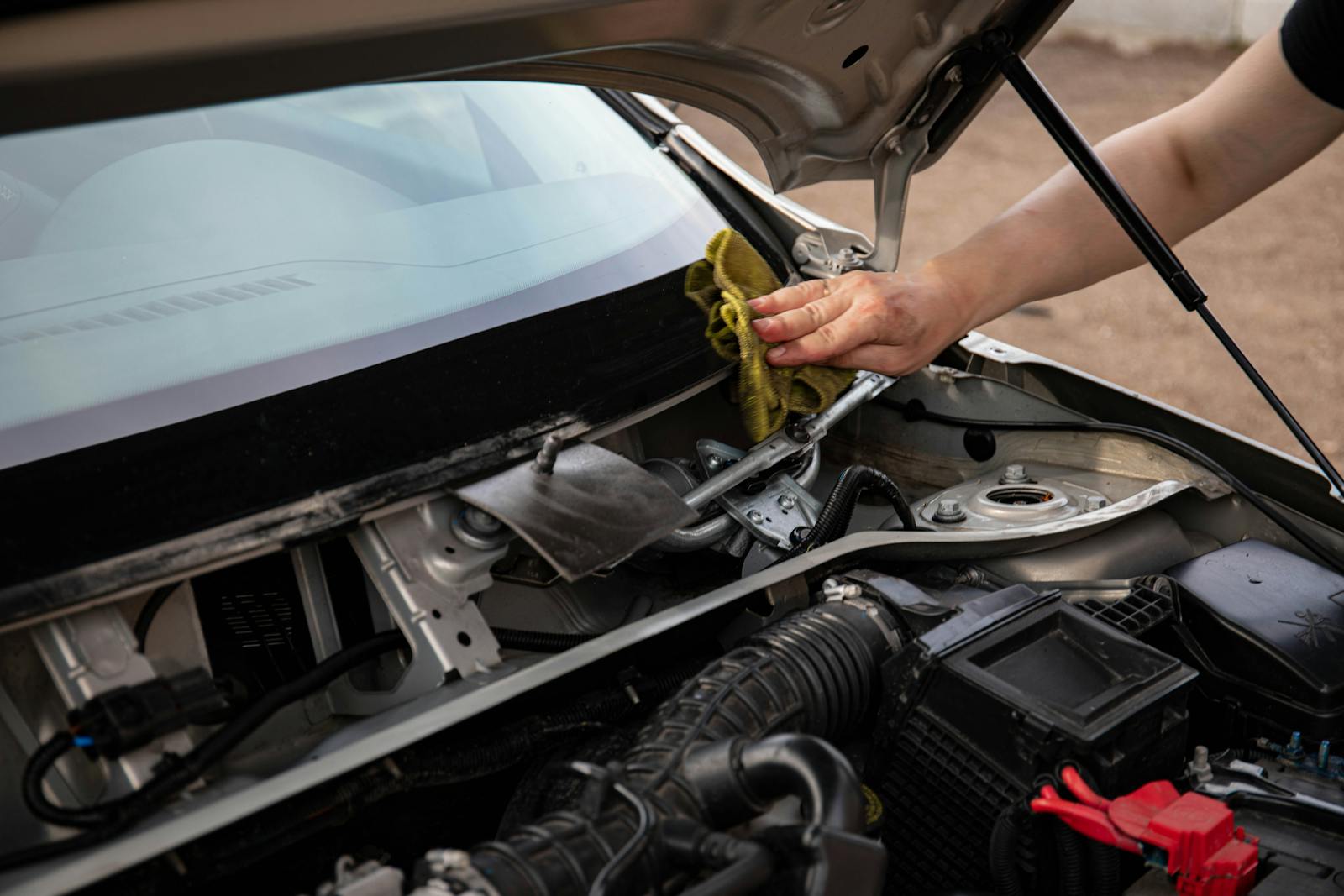

Rodents are quietly turning parked cars into very expensive chew toys, and the repair bills are stacking up fast. Insurers are now reporting a sharp rise in claims where the culprit is not a crash or a storm, but a nest of hungry teeth under the hood. For drivers, that means a growing risk that a routine morning start turns into a four-figure surprise at the repair shop.
What sounds like an oddball nuisance has become a serious money problem for households and insurance companies alike. Mechanics are seeing wiring looms, fuel lines, and insulation shredded overnight, and insurers are logging more policies hit by this kind of damage every year. The headline warning about thousands in vehicle damage is no exaggeration; it is becoming a pattern.
From quirky nuisance to costly surge in claims

Insurers are now treating rodent damage as a mainstream motor risk rather than a weird outlier. One major provider reports that rodent-related motor claims have jumped by more than a quarter after an analysis of customer across the United Kingdom. A related breakdown of 2023 and 2024 data found a 28 percent increase in reported incidents, with a clear spike in the colder months when cars become attractive shelter. In the most extreme case described, Rodents caused more of damage to a single vehicle, enough to have it written off entirely.
The scale of the problem is not limited to one insurer or one city. Consumer reporting on pest control notes that the issue is now a shared headache for car owners and insurance companies, with repair bills routinely running into four figures when rodents rip through modern wiring harnesses and plastic components. One detailed look at the trend points out that those repair bills can easily climb into the thousands for individual cases, especially when rodents chew through critical systems that are buried deep inside the engine bay or dashboard, which matches what mechanics are seeing as they deal with Rodents seeking shelter in parked cars.
Why modern cars are such attractive chew toys
The jump in claims is not just about more rodents; it is also about how cars are built and where they are parked. Modern engine bays are packed tight with insulated wiring, plastic fuel lines, and sound-deadening materials that double as nesting fluff. Insurers describe Rodent nests discovered and even behind passenger airbags, along with numerous cases of chewed wiring and cabling. Mechanics add that once rodents get inside, they can gnaw through coating on wires, hoses, and plastic fuel lines, which leads directly to electrical failures, leaks, and major repair bills.
Parking habits are making the problem worse. Reports from the United Kingdom describe rodents moving into vehicles that sit near bins, overgrown vegetation, or food sources, often entering through small gaps around wheel arches or underbody panels. One insurer notes that the issue tends to be worse in rural or semi-rural areas and during cold snaps, when animals are desperate for warmth and shelter inside parked cars, according to an analysis of claims. Pest control specialists add that as urban development squeezes natural habitats, vehicles become an easy fallback den for rats and mice, which helps explain why The Growing Problem of Rodent Vehicle Damage is now framed as An Expensive Risk for Drivers.
There is also a human behavior piece. Many drivers leave vehicles parked for days at a time, especially second cars or seasonal vehicles, which gives rodents plenty of quiet hours to move in. One consumer-focused breakdown warns that nearly half of people either have dealt with rodent vehicle damage or know someone who has, describing how The numbers are startling and linking the trend to habits like storing pet food or bird seed in garages, which attracts pests to the exact spots where cars sit, as outlined in numbers are startling.
What insurance actually covers and how drivers can fight back
The financial hit from a rodent attack depends heavily on what is in the glovebox. Standard liability or collision coverage does not usually help when mice chew through wiring, which is why insurers keep steering drivers toward comprehensive coverage. One major explainer spells it out clearly, Your auto insurance will cover rodent damage if you have comprehensive coverage, since that option handles incidents not related to a collision, and confirms that Your auto insurance treats rodent damage as a comprehensive claim. Another national insurer echoes the point, explaining that comprehensive can step in for chewed wires, hoses, or interiors, while also warning that deductibles still apply, as laid out in its guidance on rodent damage coverage.
Regional agencies are delivering the same message with a local spin. One Midwestern insurer reminds drivers that factory warranties and extended service plans generally will not pay for rodent damage, so car owners either need comprehensive coverage or must pay for repairs themselves, a point hammered home in its breakdown of rodent damage and. Another provider adds that Yes, vehicles may be covered for rodent damage if comprehensive is in place, but warns that even minor chewing can run into hundreds of dollars and more severe cases can cost thousands, as described in its answer to the question car covered.
More from Wilder Media Group: