
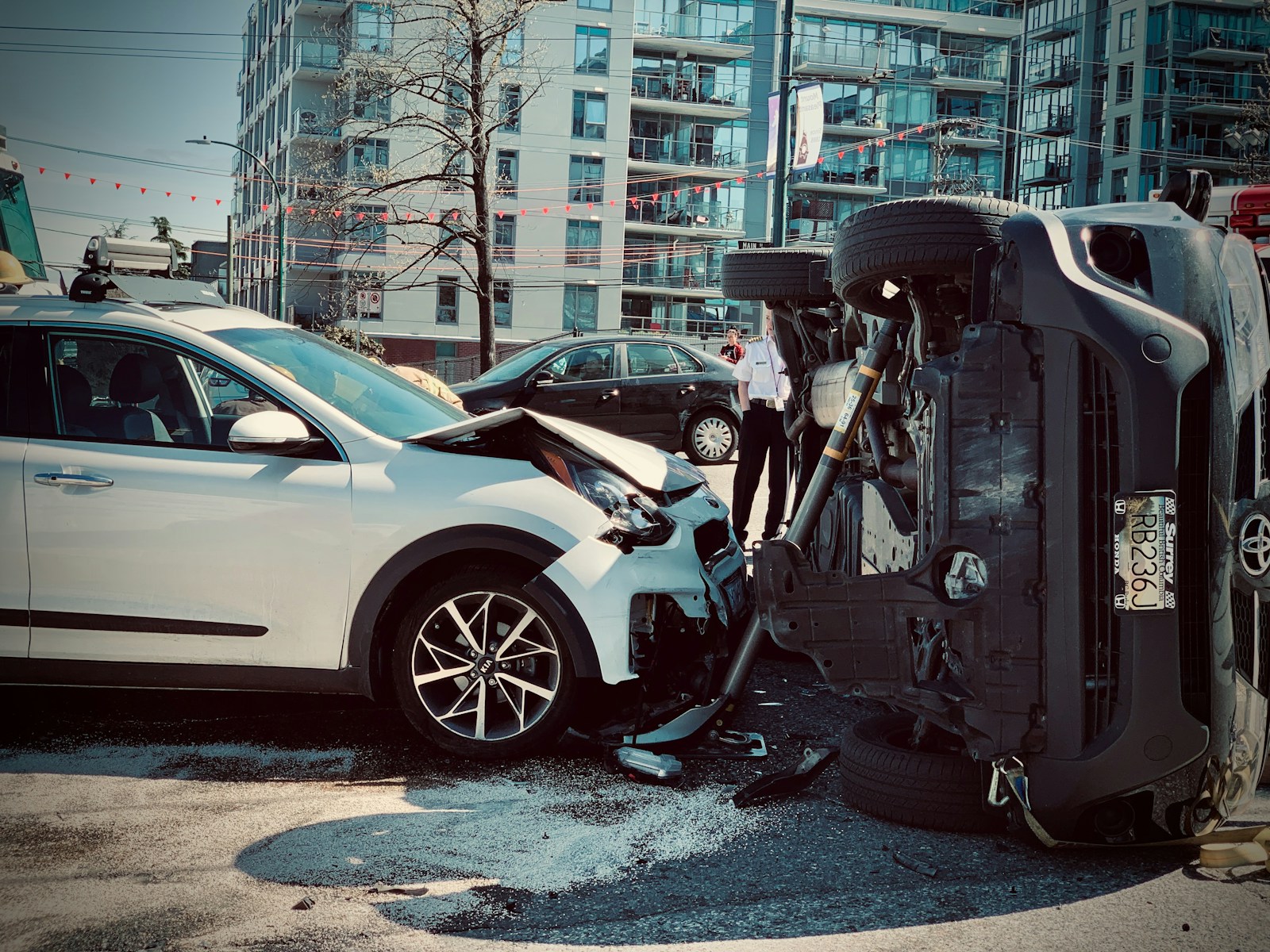

Across the country, officers are watching routine traffic stops flip into dangerous pursuits in a matter of seconds, often triggered by a single panicked decision behind the wheel. Recent cases from coastal peninsulas to crowded interstates show how quickly a minor infraction can escalate into a rolling crime scene that endangers drivers, passengers, pets, and bystanders. The pattern is consistent: one wrong move, then a cascade of split‑second choices that leave courts, communities, and police departments sorting through the fallout.
These incidents are not isolated, and they are not confined to one region or type of driver. From suburban neighborhoods to busy corridors in mid‑sized cities, officers are confronting suspects who would rather gamble on speed than face a citation or a sobriety test. The resulting chases are reshaping how agencies talk about traffic enforcement, technology, and accountability, while forcing the public to confront the real cost of fleeing.

From Blinking Lights to Blown Stop: How a Stop Turns Volatile
Every high‑speed pursuit that starts with a traffic stop begins the same way: an officer activates emergency lights, expecting a driver to pull over, and instead watches the vehicle surge forward. That pivot from compliance to flight is often driven by fear of what a stop might uncover, whether it is an outstanding warrant, a stolen car, or signs of impairment. In many recent cases, the driver’s decision to run has transformed a manageable roadside encounter into a multi‑jurisdiction chase that forces officers to weigh public safety against the need to make an arrest.
Investigators and patrol supervisors describe a common thread in these incidents, regardless of geography. On the streets of Houston, along rural stretches of the Key Peninsula, and in compact New England cities, the initial violation is rarely the most serious offense in play. Once a driver bolts, officers must assume there is more at stake than a broken taillight, and that assumption shapes every tactical decision that follows, from whether to give chase to how aggressively to try to stop the fleeing vehicle.
Key Peninsula’s Airborne Dog and the Physics of a Bad Decision
On the Key Peninsula in Pierce County, deputies saw that chain reaction unfold in brutal clarity after what began as a routine traffic stop. When the driver refused to comply and sped away, the pursuit that followed ended in a violent crash that sent a dog flying out of the car’s windshield. Dash‑camera video captured the animal’s body being launched by the force of the impact, a visceral illustration of how quickly physics punishes the choice to run at high speed instead of pulling over.
Deputies later detailed how the stop had escalated once they discovered what the driver had on him, a reminder that the fear of being searched can push suspects into reckless flight that endangers everyone in their path. The incident prompted renewed warnings from the Pierce County Sheriff’s Office about securing pets in vehicles and about the reality that animals, like passengers, have no control over a driver’s split‑second decision to flee. For investigators, the airborne dog became a symbol of the collateral damage that can follow a single refusal to accept a traffic citation.
North Houston’s Flaming Minivan and Urban Risk
In north Houston, a traffic stop that should have ended with paperwork instead produced a chase that pushed the limits of urban safety. Officers attempted to pull over a minivan, only to see the driver accelerate away and weave through traffic, turning neighborhood streets into a temporary racecourse. The pursuit ended with the minivan engulfed in flames, a dramatic outcome that underscored how quickly a fleeing vehicle can become both a weapon and a hazard in a dense city environment.
The incident unfolded against the backdrop of a sprawling metropolitan area where traffic is already a daily challenge, and where a single chase can ripple across multiple lanes and feeder roads. Residents in Houston watched video of the burning minivan and the earlier attempt to stop it, fueling debate over how aggressively officers should pursue in crowded corridors. For police, the case highlighted the tension between letting a suspect go and risking a fiery crash that could easily have involved other drivers or pedestrians.
Warwick to Cranston: A DUI Stop That Wouldn’t Stay Small
In Rhode Island, a suspected impaired driver turned a local traffic stop into a rolling hazard that stretched from Warwick into neighboring Cranston. Officers say the driver, identified in court as Roberto Lopez, was initially pulled over on suspicion of DUI but chose to flee, forcing cruisers to follow as he sped through multiple communities. What began as a standard roadside investigation into possible intoxication quickly escalated into a high‑speed run that prosecutors now describe in terms of eluding and endangering the public.
The case has drawn attention in Warwick and beyond because it illustrates how impaired judgment can compound itself once a driver decides to run. By the time Roberto Lopez appeared in court, the narrative had shifted from a single suspected DUI to a broader discussion of eluding charges and the dramatic way the chase came to an end. Residents in nearby Cranston were left weighing how close they had come to being caught in the path of a driver who, according to police, could have faced far fewer consequences by simply staying at the curb.
Cedar Rapids: From Stolen Vehicle Call to Citywide Pursuit
In Cedar Rapids, officers responding to what they described as a stolen vehicle report watched a similar escalation play out across city streets. A man who police say had taken a vehicle refused to stop when officers tried to pull him over, turning an already serious theft allegation into a prolonged chase. The pursuit threaded through traffic on a weekday afternoon, forcing patrol units to coordinate in real time as they tried to contain a suspect who had already shown a willingness to ignore commands.
Authorities later confirmed that the driver was arrested after the chase, and that the incident began with a call about a stolen vehicle in Cedar Rapids Thursday. Investigators in Cedar Rapids later named the suspect and detailed multiple charges tied to the high‑speed pursuit, noting that no one was hurt despite the risk created by the fleeing vehicle. The case, which unfolded in a mid‑sized city in Iowa, has become a reference point for local discussions about how quickly a property crime can morph into a public safety emergency once a driver refuses to stop.
Identity, Charges, and the Paper Trail After the Sirens
Once a chase ends, the focus shifts from flashing lights to paperwork, and from the road to the courtroom. In Cedar Rapids, that meant authorities publicly releasing the suspect’s identity and detailing a list of charges that went far beyond the original stolen vehicle allegation. Police described counts related to fleeing, traffic control violations, and other offenses that accumulated during the pursuit, underscoring how each decision made behind the wheel can translate into a separate entry on a charging document.
Officials emphasized that the process of naming a suspect and outlining charges is not just procedural, it is part of how communities understand what happened and why. When Authorities in Cedar Rapids shared the suspect’s identity, they also highlighted the specific traffic control devices that were ignored and the statutes that prosecutors would rely on. Residents who had seen only snippets of video or heard sirens in the distance were given a clearer picture of how a single refusal to stop had spiraled into a complex criminal case in Cedar Rapids.
Evansville and the Two‑County Chase Problem
In and around Evansville, officers have been dealing with pursuits that do not respect county lines. One recent case involved an Evansville man who, according to police, led authorities on a high‑speed chase before finally being caught and facing multiple charges. The pursuit forced coordination between agencies and highlighted how quickly a fleeing driver can pull neighboring jurisdictions into a dangerous situation that started with a single attempt to stop a vehicle.
Another incident described as a two‑county police chase ended with a man being taken into custody and booked into the Vanderburgh County Jail, after officers tracked him across local boundaries. Coverage of the case noted how the chase unfolded and how it was ultimately brought to a close, emphasizing the strain such incidents place on patrol units and dispatchers. For residents of Evansville and surrounding communities, the back‑to‑back reports of high‑speed pursuits have raised questions about how often officers should cross into neighboring counties in pursuit of a suspect who refused to stop in the first place.
Police in EVANSVILLE, Ind have stressed that each chase is evaluated in real time, with supervisors weighing the seriousness of the suspected crime against the risk to the public. The two‑county case, detailed in a report that began with the word Close, has become part of that internal debate. For now, the pattern is clear: once a driver decides to run, the geographic footprint of the incident can expand far beyond the spot where an officer first activated their lights in An Evansville neighborhood.
Coastal Chases, Stop Sticks, and the Tools to End Pursuits
Along the California coast, deputies have been leaning on technology to bring dangerous pursuits to a controlled end. In KETTLEMAN CITY, CA, the Kings County Sheriff’s Office described how deputies used tire deflation devices to stop a vehicle whose driver was allegedly impaired at nearly three times the legal limit. The pursuit, which began after deputies tried to pull the driver over, ended only after the car’s tires were punctured and the vehicle was forced to slow, illustrating how specialized tools can reduce the need for risky maneuvers like PIT techniques or boxing in a suspect at high speed.
The Kings County Sheriff’s Office has framed the incident as an example of how planning and equipment can turn a volatile chase into a safer resolution for deputies and nearby drivers. The case also fits into a broader pattern of coastal chases where long stretches of highway and limited exits can tempt fleeing drivers to push their vehicles to extreme speeds. For agencies watching similar incidents unfold in places like Horry County or along the Key Peninsula, the California pursuit offers a template for how to end a chase without adding another crash to the tally.
Policy, Geography, and the Future of the “Routine” Stop
As these cases accumulate, departments are reexamining what “routine” really means when it comes to traffic enforcement. In tourist‑heavy areas like Horry County, where highways funnel visitors toward coastal attractions, a single fleeing driver can disrupt not just local traffic but regional commerce. Urban centers such as Chase heavy corridors in Houston face a different calculus, where dense traffic and pedestrians make every pursuit a potential mass casualty event.
Policy responses vary, but the underlying challenge is the same from Warwick to Cedar Rapids and Evansville. Supervisors are updating pursuit policies, investing in tools like stop sticks, and training officers to recognize when a traffic stop is starting to tilt toward volatility. At the same time, courts are sending a clear message that fleeing will stack charges and increase penalties, as seen in the detailed charging documents filed in Published reports from Iowa and the multi‑count cases emerging from Indiana. The hope among law enforcement is that as these stories circulate, more drivers will think twice before turning a set of flashing lights into the start of a full‑blown chase.
Supporting sources: Dog flies out.
More from Wilder Media Group: