
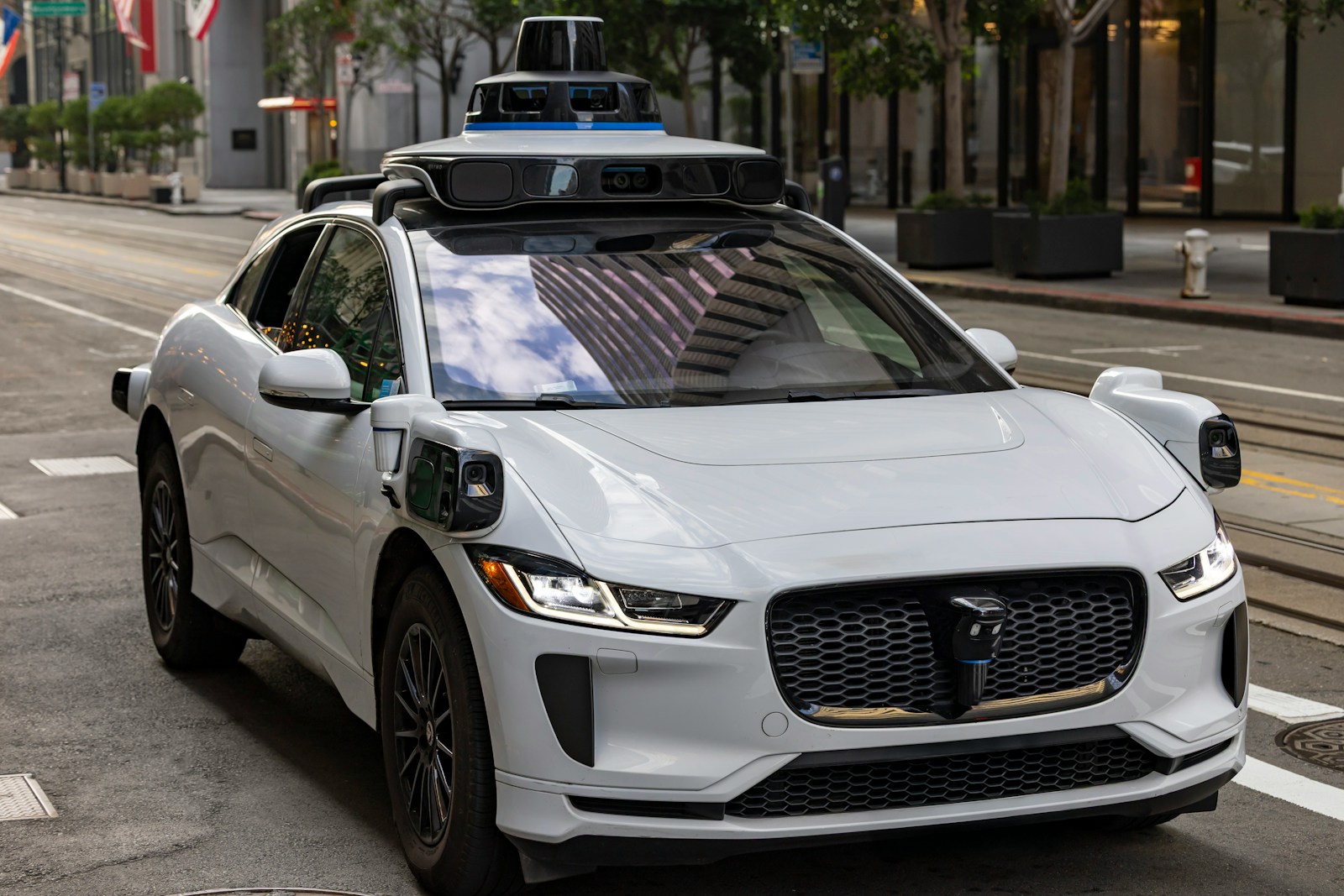

A quiet ride in a robotaxi turned into a nightmare scenario when a self-driving car steered itself onto active train tracks with a train bearing down. With no steering wheel to grab and no brake pedal to slam, the passenger was left with a single option: get out and run.
The near miss has quickly become a shorthand for the unease many people feel about handing control to code. It is one thing to trust an app to pick a playlist, and another to trust it with the decision of whether to stay put on the rails or let a human bail out.
The moment a robotaxi met the rails
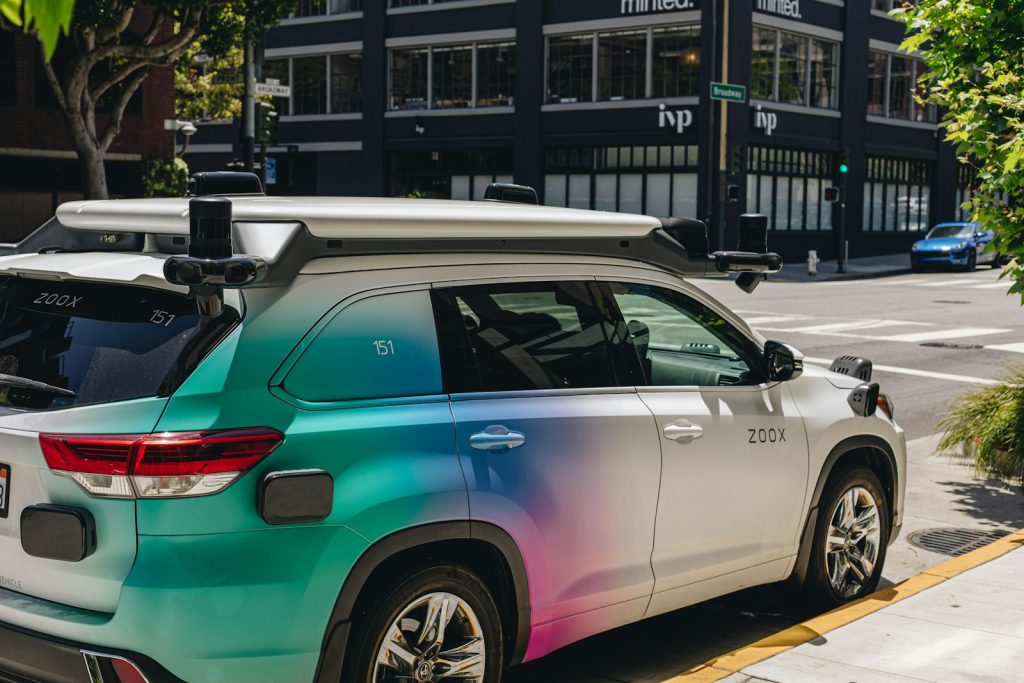
In Phoenix, a city that has become a test bed for driverless tech, a Waymo vehicle slipped out of its lane and onto light rail tracks, then kept going as if it belonged there. Video of the incident shows the car tracking along the guideway instead of the street, a surreal sight that only gets more alarming once it becomes clear that trains actually use those same tracks. The passenger, suddenly realizing that the car was not correcting itself, had to scramble out of the vehicle and away from the path of an oncoming train.
Witnesses described the self-driving car as calmly proceeding down the Phoenix light rail corridor, a place where no ordinary sedan should ever be. The brand on the side of the vehicle, Waymo, is supposed to signal cutting edge autonomy, yet in this case it was a warning label for everyone watching. For the rider, the decision tree collapsed into something brutally simple: stay seated and hope the software figures it out, or trust their own instincts and get off the tracks.
“Get out now” becomes the emergency protocol
Inside a conventional car, a driver facing danger can yank the wheel, stomp the brake, or throw the transmission into park. Inside a fully autonomous taxi, the human is more like airline cabin crew during turbulence, along for the ride while the system does the flying. In the Phoenix incident, that design philosophy collided with reality when the passenger realized there was no safe way to override the machine. The only control left was the door handle, and they used it, bolting from the vehicle as the train approached.
A separate account of a similar scare describes a Waymo passenger who was forced to jump out after the car stopped directly on train tracks and did not move. That rider, captured in images credited to MEGA, had to make the same split second calculation: trust the autonomous system to sort itself out, or assume the worst and run. In both cases, the human response was instinctive and old fashioned, a reminder that when software fails in a physical space, the fallback is still muscle and adrenaline.
How a high tech car ends up on train tracks
For anyone who has watched glossy demos of driverless fleets, the idea of a robotaxi calmly parking itself on rails sounds like a glitch from an earlier era of the technology. Yet reporting on the Phoenix incident makes clear that this was not a low speed parking lot scrape, it was a full sized autonomous vehicle entering a dedicated transit corridor and then continuing along it. The system that is supposed to recognize lanes, curbs, and obstacles instead treated the tracks as a valid path, a failure that cuts to the heart of how these cars perceive the world.
Another account of a car that ended up stopped on tracks notes that the Waymo autonomous vehicle did not immediately reverse or clear the crossing, leaving the passenger to bail out while the system sat there. The description of the car eventually reversing direction and continuing service only raises more questions about how the software prioritized its options. If a train corridor can be misread as a safe stopping point, it suggests that the mapping and sensor fusion that underpin these systems still have blind spots in edge cases that matter a lot in the real world.
Names, faces, and the human cost of a “near miss”
It is easy to talk about autonomy in abstract terms, but the Phoenix scare and its cousins are anchored in very specific people and places. The light rail tracks that the car followed run through the heart of Phoenix, a city that has been pitched as a friendly proving ground for robotaxis. The brand on the vehicle, Waymo, carries the weight of a major tech company’s promise that its cars can handle complex urban environments. When that promise falters, it is not just a software bug, it is a breach of trust with every rider who has been told that the system is ready for prime time.
One of the near misses has been described through the work of reporter Sheena Wright, whose account puts a human frame around the moment a passenger realized their self-driving ride had stopped on live tracks. Another report, credited to writer Eve, walks through how the car remained on the rails long enough that the only rational move was to get out. These are not nameless beta testers signing up for risk, they are ordinary riders who trusted a commercial service and ended up sprinting away from a vehicle that was supposed to be smarter than they were.
What this means for the future of driverless rides
Incidents like a robotaxi steering itself onto train tracks cut through the marketing language around autonomy and land in a more basic place: can people trust these cars when there is no steering wheel to grab. The Phoenix scare, along with the reports of cars stopping on rails and forcing passengers to jump out, shows that the answer is still complicated. Until the systems can reliably distinguish a lane from a light rail guideway, and a safe stopping point from an active crossing, riders will keep one eye on the nearest exit even as they enjoy the convenience.
For companies like Waymo, the path forward is not just better code, it is clearer communication about what the cars can and cannot handle, and what passengers should do when something feels off. The people who jumped out of vehicles on tracks did not have a laminated checklist or a calm voice in their ear, they had instinct and a door handle. Until the technology catches up with the promises, that may remain the only real emergency protocol: when the car decides the rails are a road, the human decides it is time to leave.
More from Wilder Media Group: