
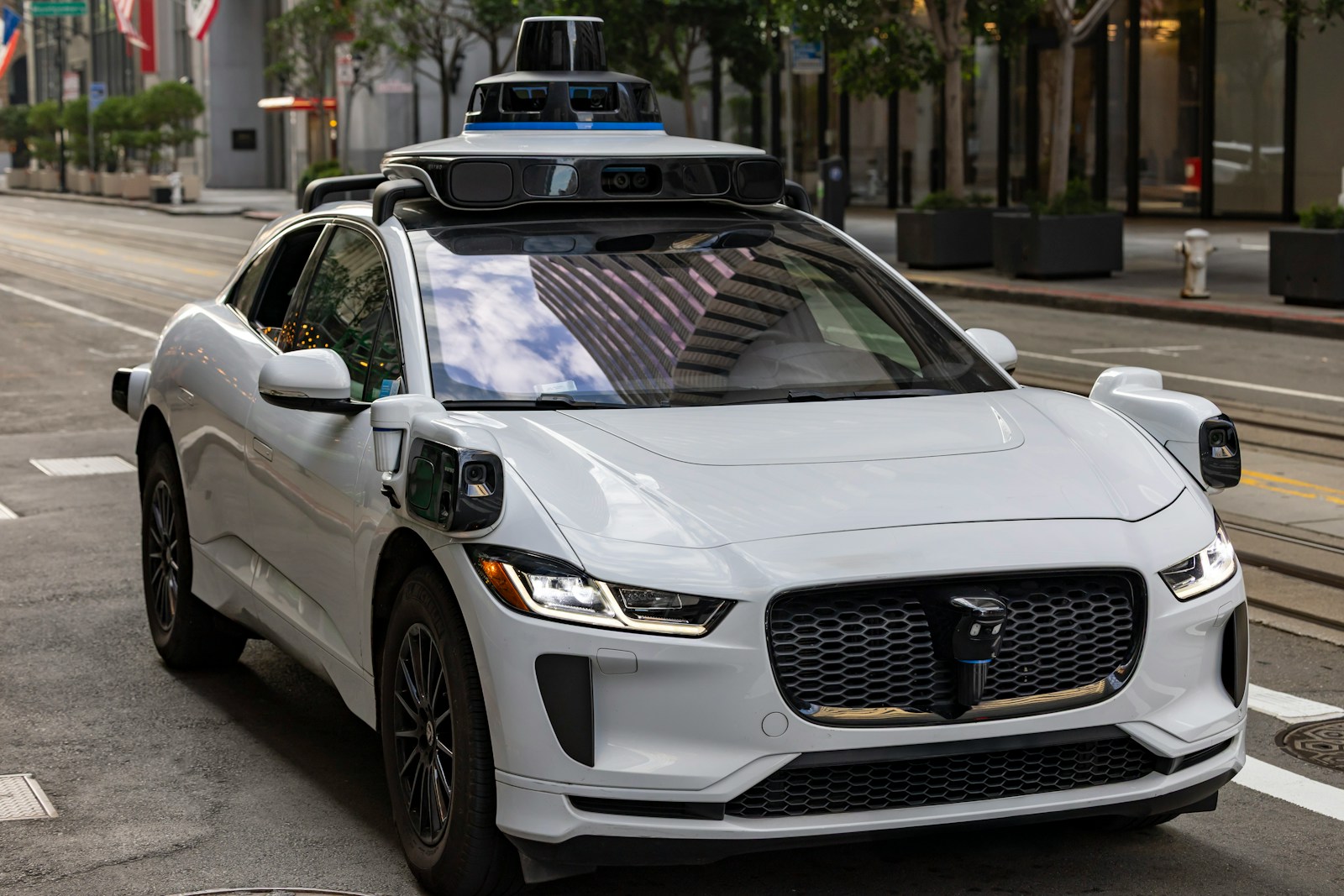

The automotive landscape shifted dramatically as hands-free driving systems became available on select roads across the United States, leaving drivers with mixed feelings about removing their hands from the wheel. Several automakers now offer Level 2 and Level 3 autonomous systems that allow drivers to take their hands off the steering wheel on mapped highways, though they must remain attentive and ready to take control.
Mercedes-Benz made history by introducing the only true Level 3 system available in America, called Drive Pilot, which operates on major freeways in California and Nevada at speeds up to 40 mph. Meanwhile, hands-free Level 2 systems from GM, Ford, BMW, and others cover between 125,000 and 400,000 miles of divided highways nationwide, though they require constant driver attention even when hands are off the wheel.
The technology has sparked debate among drivers who aren’t quite sure whether to embrace the convenience or remain skeptical about letting their vehicles handle the driving. Some see it as a welcome relief during long commutes and highway slogs, while others worry about consumer confusion between hands-free and truly self-driving capabilities, with many people incorrectly using the terms interchangeably.
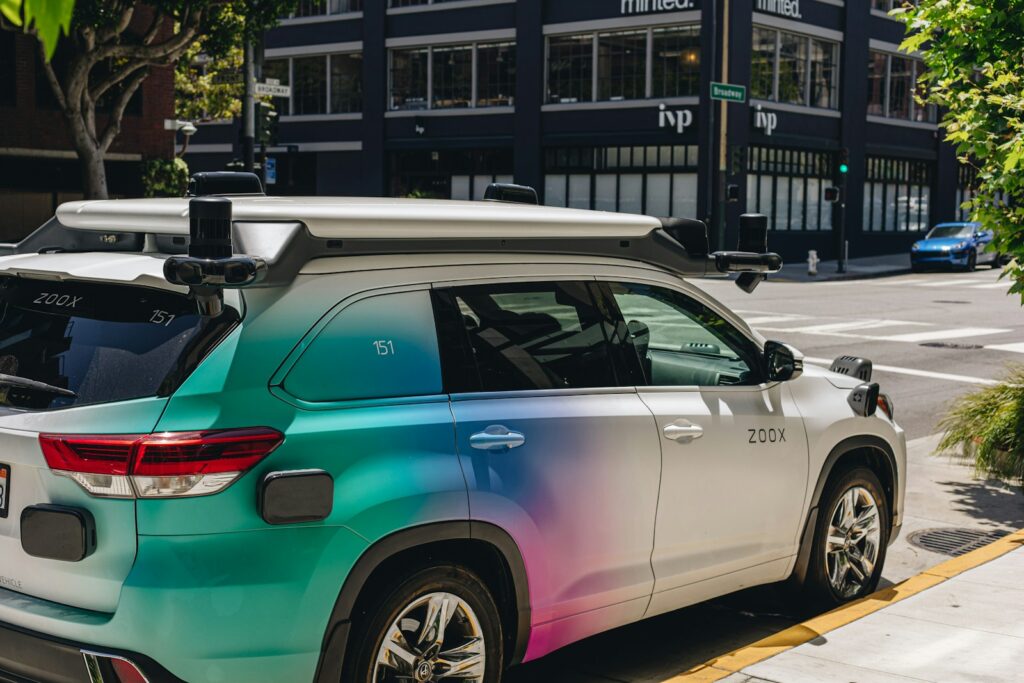
How Hands-Free Self-Driving Cars Work Today
Several automakers now offer hands-free driving systems that let drivers remove their hands from the wheel on certain roads, though these remain Level 2 driver assistance systems requiring constant attention. Every hands-free driving system available in 2024 operates only on mapped highways under specific conditions.
Current Status of Hands-Free Systems and Legalization
Eight manufacturers currently offer hands-free driving capabilities in the U.S. BMW’s Highway Assistant, Ford and Lincoln’s BlueCruise, GM’s Super Cruise, Stellantis’s Hands-Free Active Driving Assist for Jeep and Ram, Nissan and Infiniti’s ProPilot Assist, and Toyota and Lexus’s Teammate all function as Level 2 systems. Mercedes-Benz stands alone with Drive Pilot, the only Level 3 system available in California and Nevada.
Level 2 systems require drivers to stay alert and ready to take control at any moment. A camera monitors the driver’s attention, issuing warnings if they look away too long.
Level 3 represents a significant leap. Drive Pilot allows drivers to look away from the road and even engage in other activities like watching videos, though only on mapped highways at speeds up to 40 mph. The vehicle takes full responsibility during operation until it requests the driver resume control.
Most hands-free systems work exclusively on divided highways that have been pre-mapped with detailed data. Super Cruise leads with over 400,000 miles of compatible roads, while other systems typically cover between 125,000 and 200,000 miles.
Key Technologies Behind Hands-Free Driving
Hands-free systems build upon existing advanced driver assistance systems like adaptive cruise control and lane keeping assist. Multiple cameras positioned around the vehicle detect lane markings, other vehicles, and road signs. Radar sensors measure distances and speeds of surrounding traffic.
An infrared camera mounted on the steering column or instrument cluster tracks where the driver’s looking. This driver monitoring system distinguishes hands-free technology from standard lane centering features.
Drive Pilot incorporates lidar sensors and even road moisture detection, creating redundant layers of awareness. The system uses previously collected lidar data stored in the vehicle’s memory, combined with real-time sensor inputs.
Most systems use a combination of front-facing cameras, full-range radar, and short-range radar. The sensors work together to create what manufacturers call an “awareness view” displayed on the instrument cluster, showing ghostlike renderings of detected vehicles and road boundaries.
Highway Assistant from BMW includes Active Lane Change with eye activation, letting drivers confirm suggested lane changes simply by looking in the intended direction. This represents one way manufacturers are experimenting with new driver-vehicle interactions.
Where and When Can You Use Hands-Free Driving?
Geography matters significantly for hands-free driving. Systems only activate on pre-mapped divided highways, with notable differences in coverage between manufacturers.
Coverage by System:
| System | Miles Covered | Notable Areas |
|---|---|---|
| Super Cruise | 400,000+ | Includes non-divided highways |
| ProPilot Assist 2.X | 200,000 | U.S. divided highways |
| Teammate | 145,000 | U.S. roads and highways |
| BlueCruise | 130,000 | U.S. and Canada |
| Highway Assistant | 130,000 | U.S. and Canada (excluding Alaska, Hawaii) |
| Hands-Free Active Driving Assist | 125,000 | U.S. and Canada |
| Drive Pilot | Limited | California and Nevada freeways only |
Speed limits vary by system. Most cap out between 80-90 mph, with BMW Highway Assistant and Super Cruise allowing 85 mph operation. Drive Pilot restricts hands-free operation to just 40 mph due to its Level 3 capabilities and legal requirements.
Weather conditions affect availability. Heavy rain, snow, or fog can disable systems when cameras and sensors can’t clearly read lane markings or detect other vehicles. Construction zones and unclear lane markings also force drivers to resume manual control.
Super Cruise uniquely works on some non-divided highways, expanding where drivers can use the technology beyond just interstates and major freeways.
Comparison of Major Hands-Free Systems
Pricing structures differ dramatically between manufacturers. GM charges $2,200-$3,730 for hardware on Chevrolet, GMC, and Buick models, then requires a subscription after three free years at $25 monthly or $250 annually. Ford includes hardware on certain trims but charges $495 yearly or $2,495 for lifetime access on 2025 models.
Mercedes takes a different approach with Drive Pilot, charging $2,500 annually just for the service on top of the vehicle’s premium price. Toyota and Lexus include Teammate with 10 years of service at no extra cost on the LS500h.
Feature differences set systems apart beyond basic hands-free operation:
BlueCruise offers Lane Change Assist starting with version 1.2, suggesting lane changes that execute once the driver activates the turn signal. Super Cruise goes further with automatic lane change, where the system decides when to pass slower vehicles without driver input. It’s also the only system supporting trailering.
ProPilot Assist 2.X includes Route Assist, alerting drivers when to change lanes or prepare for exits when navigation is active. However, it requires hands touching the wheel even during hands-free operation through capacitive sensors.
Drive Pilot represents the most advanced system legally available, using more sensors including lidar and enabling true eyes-off-road operation. The trade-off comes in limited speed and geography—only major freeways in two states at crawling speeds.
Tesla’s Autopilot and Full Self-Driving don’t qualify as hands-free systems despite their names. Both require hands on the wheel, though recent updates suggest Tesla is moving toward camera-based driver monitoring.
Hardware capabilities vary significantly. Drive Pilot uses the most sensors including lidar, cameras, radar, ultrasonic, and road moisture detection. Most Level 2 systems rely on cameras and radar alone.
Drivers’ Mixed Reactions and What’s Next
Public opinion remains split on hands-free driving technology as regulatory changes expand where these systems can operate. Drivers express both excitement about convenience features and anxiety about relinquishing control to automated systems.
How Drivers Feel About Hands-Free Cars
Drivers who use systems like Tesla’s Full Self-Driving and Ford’s BlueCruise report conflicting emotions about the technology. Some describe the experience as liberating during long highway commutes, while others admit they keep their hands hovering near the wheel out of habit.
The eye-tracking requirements in modern hands-free systems add another layer of tension. Hands-free driving systems from Ford and Chevrolet keep drivers staring straight ahead with no scrolling or napping allowed, which some users find tedious rather than relaxing. They’re technically hands-free but still demand constant attention.
Trust varies widely among different demographics. Younger drivers tend to embrace active driving assist and lane centering assist features more readily, while older drivers express skepticism about letting computers handle steering and speed control.
Benefits and Safety Concerns
Supporters point to the potential for reduced driver fatigue on long trips and consistent adherence to traffic laws. Features like forward collision warning and automated braking respond faster than human reflexes in emergency situations.
Safety advocates remain worried about reporting requirement changes that reduce crash data companies must send to NHTSA. Critics argue that excluding minor incidents from reports eliminates crucial data that could reveal emerging patterns in autonomous driving failures.
Key safety concerns include:
- Loss of detailed crash reporting for Level 2 systems
- Reduced transparency about software versions during accidents
- Drivers becoming overconfident and disengaging from monitoring
- Mixed traffic conditions with human and automated vehicles
Cathy Chase of Advocates for Highway and Auto Safety stated that transparency and accountability about vehicle performance on public roadways remains essential.
The Future of Autonomous Driving and Regulation
The NHTSA rule changes taking effect June 16 aim to help American manufacturers compete with foreign autonomous vehicle developers. The new exemption pathway allows domestic companies to test vehicles without mirrors or pedals, previously requiring a years-long waiver process.
Transportation Secretary Sean Duffy framed the changes as necessary because America faces an innovation race with China in autonomous vehicle development. The UK pushed back its timeline for approving fully self-driving cars from 2026 to the second half of 2027, showing other nations taking more cautious approaches.
The period ahead will see human-driven and self-driving vehicles sharing roads together. Autonomous cars must predict not just machine behavior but also unpredictable human driver decisions. Federal regulations remain largely silent on driverless vehicles, which allows them to operate on public roads by default.
More from Steel Horse Rides: