
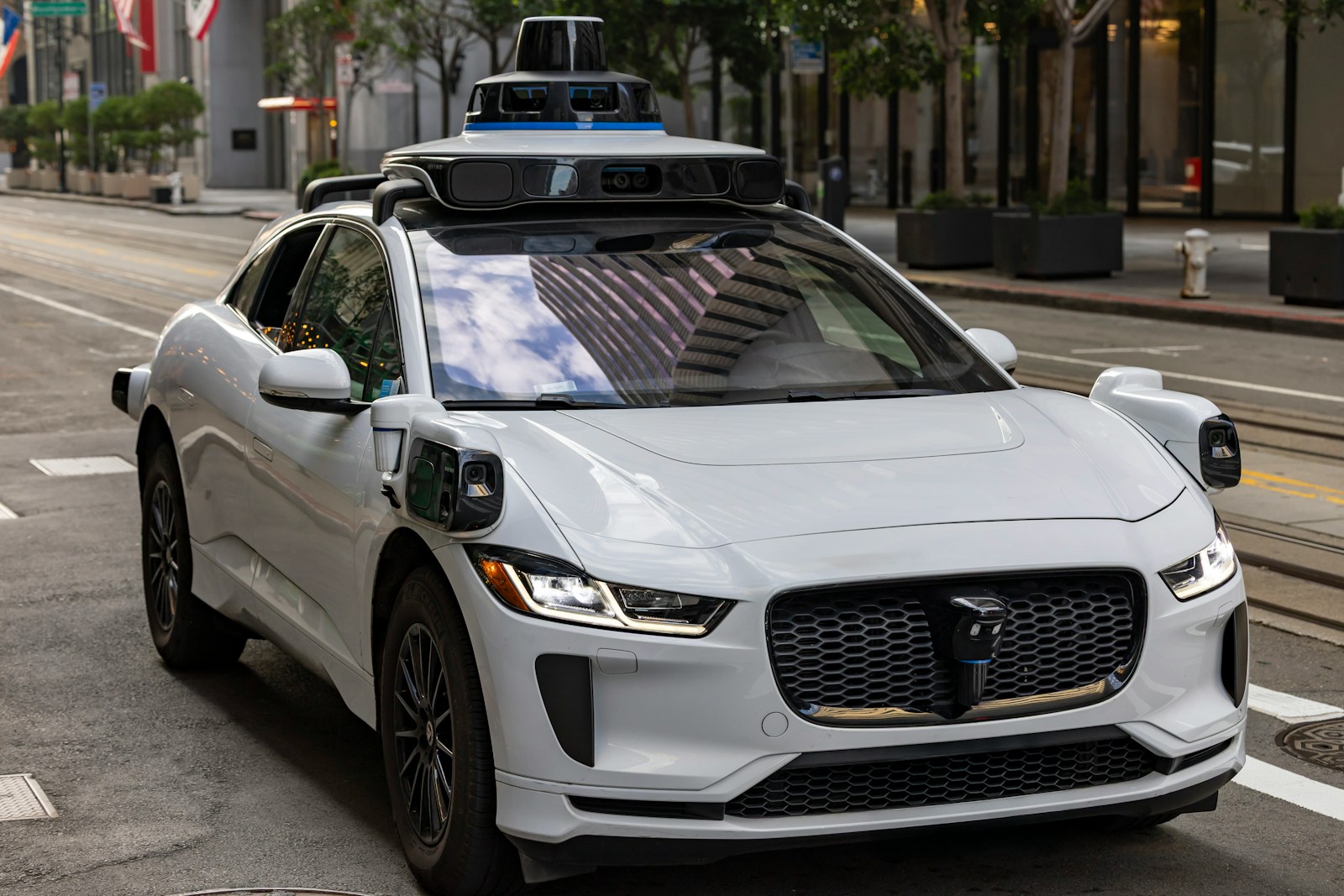

Self-driving technology is edging out of pilot zones and into everyday traffic, and the rules around it are finally starting to catch up. New federal standards are designed to let these vehicles operate at scale while tightening expectations around safety and accountability. If regulators get the balance right, the shift could reshape how millions of people move, work, and even pay for basic transportation.
The core premise is straightforward: human drivers cause most crashes, and automated systems aim to reduce that human error while opening up mobility to people who have been shut out of reliable transport. The execution is far more complex, which is why the Department of Transportation and safety agencies are rewriting playbooks built for cars with steering wheels, pedals, and a person in charge.
New rules that open the door
The Department of Transportation has started to clear a nationwide path for autonomous vehicles by updating long-standing safety rules that assumed every car had a human behind the wheel. According to one federal overview, the new approach is meant to let self-driving models operate without traditional controls while still meeting core crashworthiness and performance standards, effectively opening the door to wider deployment under a single framework rather than a patchwork of state experiments. The same effort is reflected in a separate federal plan to modernize vehicle rules so they explicitly cover automated systems, a move that gives manufacturers a clearer checklist for how to bring driverless fleets to market.
This shift is not happening in a vacuum. Safety advocates who track autonomous vehicles have pushed for guardrails on everything from minimum performance benchmarks to transparent crash data, and federal officials have started to fold those expectations into their new approach. Groups focused on safer roads argue that automated systems should have to meet clear standards before they mix with regular traffic, while disability advocates who work with the National Council on Disability have pressed USDOT to treat accessibility as a design requirement rather than an afterthought. The result is a set of rules that invite innovation but also insist that any national rollout of driverless services addresses long-standing transportation barriers for Americans with disabilities.
Why millions stand to gain
Supporters of self-driving technology often start with a blunt statistic: federal research has long estimated that human error and bad choices cause 94 percent of fatal crashes, a figure that has become a rallying cry for engineers and policymakers who want to automate away the most dangerous parts of driving. A new report on Self and Autonomous vehicles argues that if those systems can consistently react faster than people and avoid distraction or impairment, they could sharply cut deaths and injuries while also reducing congestion and emissions. Safety advocates who track autonomous vehicles agree that the upside is real, but they also warn that poorly tested or lightly regulated deployments could swap one set of risks for another.
The potential gains go far beyond crash numbers. Analysts who look at the economics of driverless fleets point to estimates that Between now and 2021, the World Economic Forum expected driverless vehicles to generate $67 billion in economic value, with longer term projections running into trillions of dollars in societal benefits as cities redesign streets and logistics networks. Another look at how autonomous vehicles could change cities suggests they could Decrease private car ownership, free up land now locked in parking, and make room for more housing, bike lanes, and entertainment zones. For everyday riders, the pitch is more personal: fewer hours behind the wheel, less money burned on insurance and fuel, and more predictable commutes that run on software instead of human mood.
Cost, convenience, and a different kind of car ownership
One of the most attention-grabbing claims from researchers is about the price of a trip. A Stanford analysis suggests that Transportation costs could fall to about 20 cents a mile once shared self-driving fleets are operating at scale, a level that would undercut many bus and train fares in the United States. That same work projected that In Two Years, There Could Be 10 Million Self Driving Cars on the roads, a number that illustrates just how quickly adoption could spike once the technology and rules line up. If those cost curves hold, low-income riders who currently ration car trips or juggle unreliable transit could suddenly have on-demand access to point-to-point rides that feel more like a utility than a luxury.
Convenience is the other big hook. Analysts who have cataloged the Pros of Self Driving Vehicles list Convenience as one of the clearest selling points, from letting commuters reclaim time that would have been spent in traffic to giving older adults a way to keep appointments without leaning on family. As more vehicles ship with partial automation, that future is already trickling into driveways. The company behind Tesla Autopilot, for example, now sells cars that can handle basic lane keeping and speed control on highways, while And Waymo has turned fully driverless robo-taxis into a daily option in parts of Arizona. For many households, that means the next car might not be a privately owned workhorse at all, but a mix of subscription rides, short-term rentals, and automated shuttles summoned by app.
Safety, oversight, and the fight over human error
Behind the rulemaking and glossy demos sits a hard argument about what counts as safe enough. A detailed critique of driverless car hype points out that, Despite the famous 2015 US Department of Transportation brief that stated that human error and bad choices cause 94 percent of fatal crashes, the real-world performance of early autonomous systems has not yet delivered crash rates that are dramatically lower than the safest human drivers, which the same analysis pegged at fewer than 330 per 100 million miles driven. Road safety groups that track autonomous vehicles want regulators to demand that automated systems beat those benchmarks in mixed traffic before they are allowed to scale, and they have pressed for clear rules on how companies must report testing miles, disengagements, and crashes.
Regulators are starting to respond. The National Highway Traffic Safety Ad has been updating its own guidance to cover self-driving systems, and the agency has laid out an AV framework that would modernize safety standards so they explicitly address software, sensors, and remote operators rather than just mechanical parts. The broader National Highway Traffic Safety Administration has also continued to publish crash data, recall notices, and enforcement actions on its main portal, giving the public and watchdog groups a way to track how automated features perform in the wild. At the same time, commentators who frame driverless technology as a public health breakthrough argue that the bar should not be perfection, but consistent performance that is measurably safer than the average human behind the wheel.
Equity, disability access, and who gets helped first
Equity advocates see a rare opening to redesign transportation so it serves people who have been sidelined for decades. A detailed report on Self and Autonomous vehicles notes that if fleets are deployed thoughtfully, they could improve access to jobs, healthcare, and education in neighborhoods that lack reliable transit today. The same analysis stresses that the benefits will not arrive automatically: without explicit rules on pricing, service coverage, and data transparency, companies might focus on wealthier corridors and leave low-income communities stuck with the same gaps they face now. Disability advocates have been even more direct, arguing that accessible design and service standards must be baked into federal and state rules from the start rather than bolted on later.
More from Wilder Media Group: