
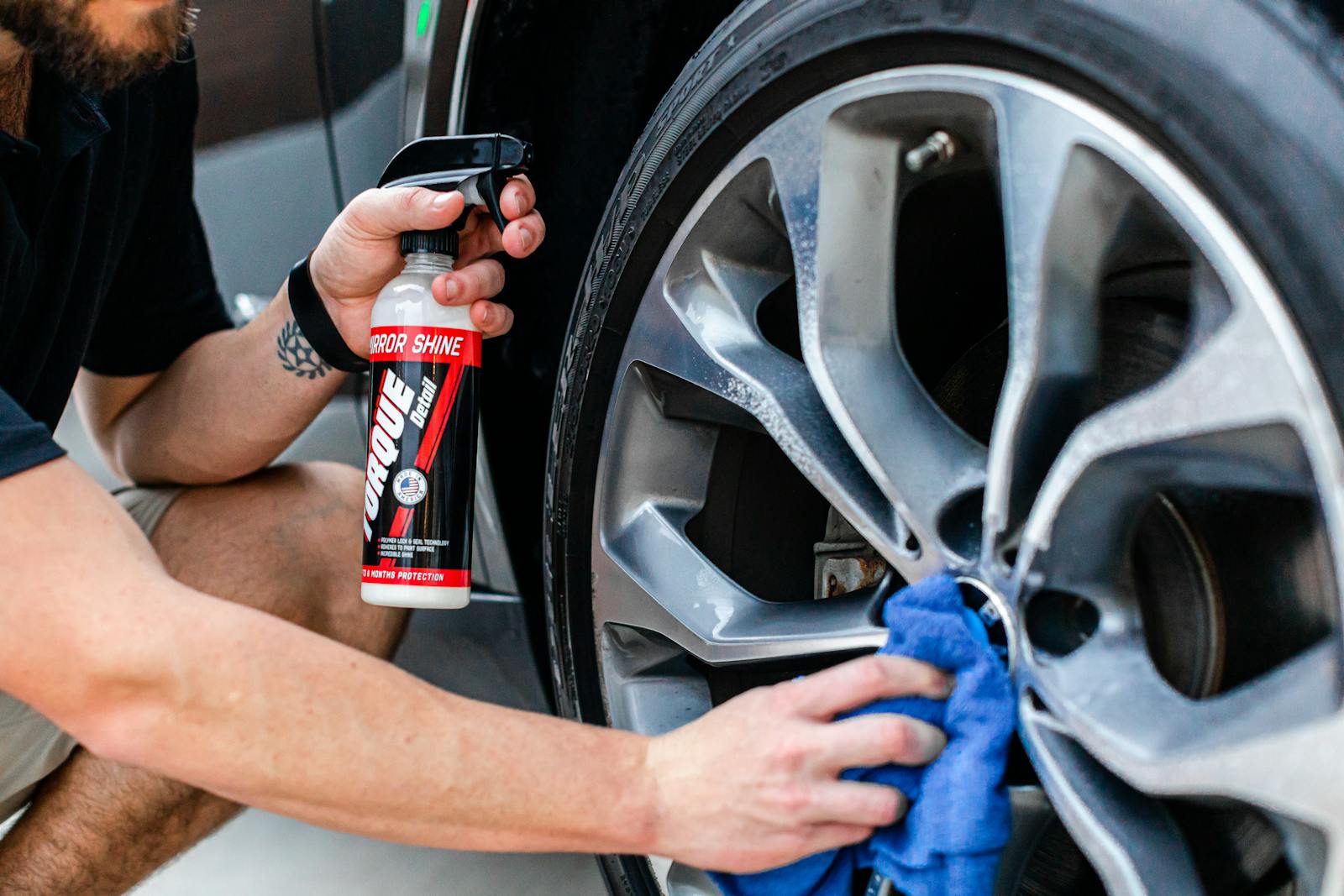

Drivers often treat a tire change as a simple errand, but the work is not finished when the car rolls off the hoist. The clamping force that holds each wheel in place can shift as the vehicle is driven, and skipping a follow-up torque check turns a routine service into a rolling risk. Ignoring that short return visit to have lug nuts rechecked can trigger wobbling, component damage, and repair bills that dwarf the cost of the original tire job.
Automotive shops and tire makers increasingly warn that a quick re-torque after a short distance is as important as the initial installation. The physics are straightforward: metal settles, heat cycles loosen fasteners, and even small gaps in clamping force can escalate into serious safety problems. Treating re-torque as optional is what turns a basic tire swap into a potentially costly mistake.
Why freshly installed wheels do not stay perfectly tight

When a wheel is first mounted, the lug nuts or bolts are tightened against surfaces that have just been disturbed by tools, dirt, corrosion, and fresh friction. As the vehicle moves, those parts bed in, paint or rust layers crush, and the wheel can shift slightly against the hub, which relaxes the initial clamping force. Tire engineers explain that this is why lug nuts need retightening after a short distance, with guidance that drivers should return after about 50 km so the hardware can be checked once everything has settled.
Thermal expansion adds another layer of movement. As brakes heat up in traffic or on the highway, the metal in the hub, rotor, and wheel expands at slightly different rates, then contracts again as the car cools. Over several heat cycles, that expansion and contraction can ease the grip of lug nuts that were marginal to begin with. Shops that understand this dynamic routinely offer a free follow-up check, treating the initial torque as the first step and the re-torque as the final confirmation that the wheel is truly secure.
The torque wrench is not optional hardware
Proper wheel clamping is not about tightening “until it feels snug,” it is about hitting a specific torque value that matches the vehicle’s design. That is why professional technicians rely on calibrated torque wrenches instead of guessing with impact guns or generic torque sticks. Guidance aimed at shop owners stresses that skipping accurate tools leads to comebacks and safety issues, and it starts with a basic instruction to Check the fastener thread engagement so each stud and nut can actually carry the load it was designed for.
That same technical guidance notes that Every stud must be long enough for the wheel fastener’s length and diameter, and that too little or too much torque can both be harmful. Under-torqued hardware can back off as the car vibrates, while over-torqued nuts can stretch studs, distort brake rotors, or crack alloy wheels. A torque wrench is therefore not a luxury tool, it is the only reliable way to land in the narrow window where the wheel is clamped firmly without being damaged.
What happens when lug nuts start to loosen on the road
Once lug nuts begin to back off, the problem rarely stays small. As the clamping force drops, the wheel can shift slightly on the hub with each rotation, which accelerates wear on the mounting faces and studs. One repair shop warns that as the lug nuts loosen, the wheel can move enough to damage the rotor and hub, and that drivers are “risking more than just a loose wheel” if they ignore this process, a point underscored in guidance that starts with the blunt phrase Get it wrong.
Those warnings are not limited to people who change their own tires. The same advisory notes that Whether the work is done at home or at a professional shop, the risk is the same if the final torque is not correct and then rechecked after some driving. A wheel that is allowed to wobble on its studs can elongate bolt holes, chew up the mating surfaces, and eventually shear hardware entirely. At that point, the failure is no longer gradual, it is catastrophic.
Safety stakes: from wobble to full wheel separation
Shops that specialize in brake and suspension work describe a clear chain of events when lug nuts are left loose. The first stage is often a subtle vibration or a faint clunking noise as the wheel shifts on the hub. If the driver keeps going, the movement grows, and the wheel can begin to wobble visibly. One consumer advisory explains that The Wheel Can Begin to move side to side, and that this wobble forces the remaining tight lug nuts to Wobble and take on the extra load.
As the problem escalates, the consequences move from annoying to dangerous. Another safety-focused explainer asks Why it is critical that wheels are torqued to specification after brake or suspension service, and answers that improperly tightened hardware can damage the braking and suspension components themselves. In the worst cases, studs can snap and the wheel can separate from the vehicle entirely, turning a missed re-torque into a high-speed emergency.
Why shops insist on a quick return visit after service
Professional tire and fleet service providers frame re-torquing as a standard part of any job that involves wheel removal. One detailed guide on Why re-torquing is important notes that lug nuts that are not properly tightened pose a serious safety risk, and it highlights that Safety First is the guiding principle. The same guidance stresses that Driving with improperly torqued lug nuts can lead to wheel loss, and that retorquing is essential after any brake or suspension work that disturbs the wheels.
Service recommendations spell out the timing as well as the rationale. A section titled When and How Often Should You Have Your Tires Retorqued By a Professional explains that Getting lug nuts rechecked after a short distance is standard practice, and that retorquing is essential after any wheel removal. Many garages echo this advice in their own policies, telling customers to come back after a brief drive so a technician can verify that every fastener is still at the correct specification.
Heat, materials, and why some wheels are more sensitive
Not every wheel and hub combination behaves the same way once it leaves the shop. Technical explanations of re-torque practices point out that after a tire change, components may settle during the initial drive, and that thermal expansion from braking can further change the clamping force. One advisory on re-torque practices lists several Reasons for Re tightening, starting with parts that bed in after installation and continuing with the effect of repeated heat cycles.
Material choice also matters. The same guidance on Torquing notes that After a tire change, the type of wheel material, such as aluminum versus steel, affects how much the hardware may loosen as it is driven. Aluminum wheels, common on vehicles like a 2022 Honda CR-V or a 2024 Toyota Camry XSE, expand more with heat and can be more prone to torque loss if they are not checked. That is why the advisory concludes that the practice of re-torquing is important regardless of wheel design, but especially so when different materials and driving conditions are involved.
How loose wheels actually feel from behind the wheel
Drivers are not always told what to watch for after a tire change, yet the symptoms of a loosening wheel are often noticeable before a failure. One guide to tire wobble lists Other Wheel Wobble Symptoms You May Notice, including Drifting or pulling to one side while driving, Uneven tire wear, and Steering wheel vibration. These sensations can mimic alignment problems or worn suspension parts, but when they appear soon after wheel service, loose lug nuts should be high on the list of suspects.
Another advisory on re-torque timing notes that Additionally, retorquing is essential after any service involving wheel removal, such as brake work or suspension repairs. A separate checklist of Signs Your Tires Need Retorquing highlights that Common clues include when You feel vibrations in the steering wheel or hear unusual noises from the wheels during operation. For drivers, the practical takeaway is simple: if anything feels off after wheel work, a torque check is a low-cost, high-value first step.
Real-world failures and the cost of ignoring re-torque
Mechanics and drivers have documented what happens when lug nuts are not rechecked. In one discussion among owners, a contributor notes that It is possible for lug nuts to loosen on a drive wheel that steers, particularly on a FWD car where both power and steering forces are concentrated. The same conversation makes clear that once the hardware has moved, the driver may also be facing damage to the wheel, hub, and even brake components, all because the fasteners were not checked after the initial installation.
Industry-facing training materials echo that warning in more formal terms. A technical bulletin on re-torque practices states plainly that There are ramifications of forgetting or skipping the re-torque process, including Wheels coming off, brakes being damaged, and threaded holes stripped out. A video aimed at shop staff drives the point home, with an Oct training clip warning that technicians who skip this step may be “overlooking something big” that can come back as a safety complaint or a liability claim.
From free re-torque to four-figure repair bills
The financial contrast between a free re-torque and the cost of repairing damage from a loose wheel is stark. Consumer cost data on rim repair notes that Total cost of rim repair can run Nationwide from $62 to 125 for a single wheel, depending on materials and damage. That figure does not include the price of replacing sheared studs, damaged hubs, or brake rotors that have been hammered by a wobbling wheel, nor does it account for towing or lost time if the failure happens on the road.
Safety agencies and clubs also highlight the human cost. A regional warning about re-torque practices quotes a technician who describes the Worst case scenario as driving down the road and watching one of the tires pass the vehicle after the wheel comes off. Another driver-focused advisory framed as When to re-torque your tires warns that Skipping this essential step can lead to wheel separation and urges drivers to follow the torque specifications for their make and model. Against that backdrop, a free or low-cost re-torque appointment looks less like an inconvenience and more like inexpensive insurance.
More from Wilder Media Group: