
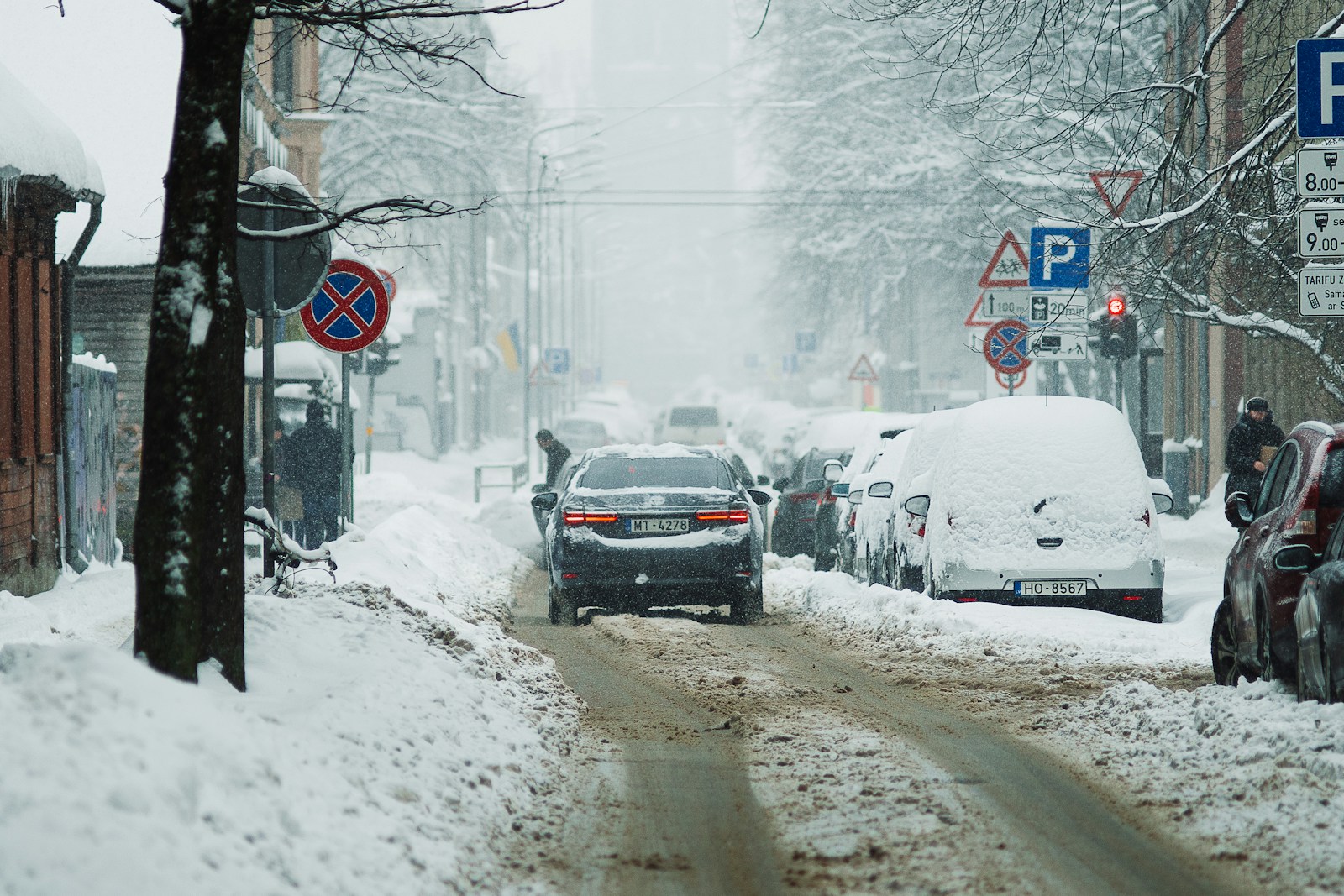

You might assume you can leave a car buried by a nor’easter and face no consequences, but that’s not always true. Laws in some places let authorities ticket or fine vehicles that remain snow-covered on public streets—even when you physically can’t dig them out or move them. Knowing when and why you can be fined helps you avoid unexpected penalties and plan a defensible response if your vehicle truly can’t be moved.
This post explains the common reasons municipalities hand out fines, what kinds of penalties you could face, and the practical steps to take when snow makes moving your car impossible. You’ll find the facts you need to make better choices during and after a storm.
Why Snowed-In Motorists Are Being Fined
Cities and state agencies enforce rules that prioritize street clearance, public safety, and emergency access. You’ll see fines when parked or abandoned vehicles block plows, emergency response routes, or create hazards from falling ice.
Enforcement of Parking and Traffic Laws During Snowstorms
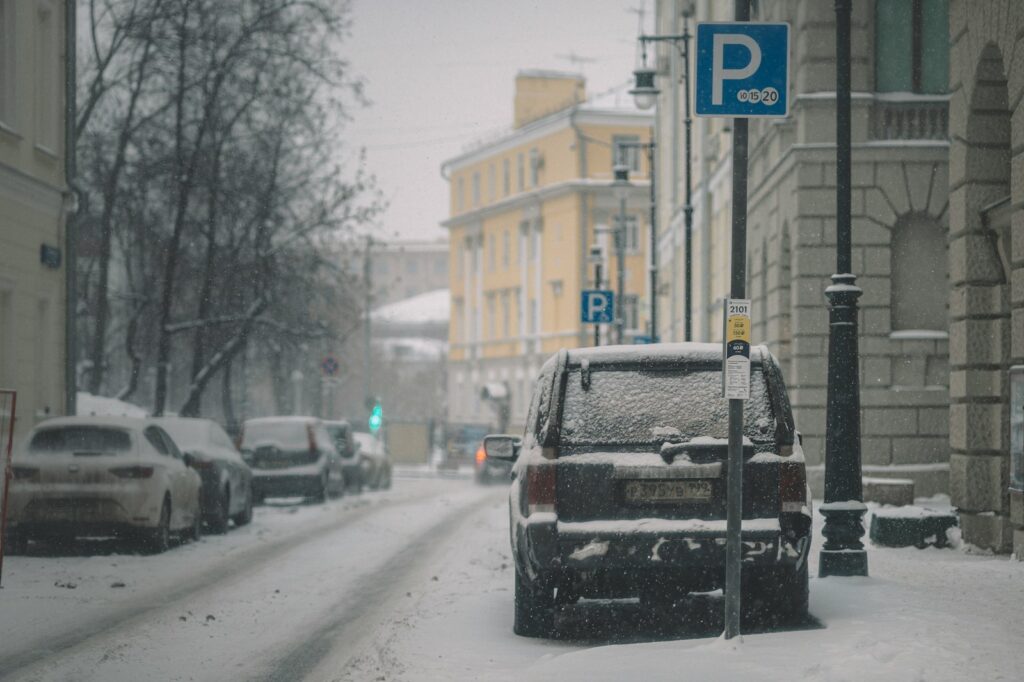
Local police and public works departments issue tickets so plows can clear streets efficiently. You can be fined for leaving your car on a designated snow route or in a no-parking zone even if the vehicle is immobilized by snow. Some municipalities set specific periods when parking is restricted after a snowfall; violations often carry flat fines or escalating penalties.
Agencies sometimes tow vehicles that obstruct plows or emergency access. In places where statutes allow it, enforcement officers treat a snowed-in car the same as any other illegally parked vehicle to keep roads passable for everyone.
Real-Life Cases and Public Reactions
Media reports have highlighted incidents where motorists received fines despite being unable to move their cars. Local coverage shows frustration from stranded drivers who argue they had no safe way to comply during heavy storms. Officials respond that rules exist to prevent longer-term blockages and hazards, and that enforcement encourages quicker removal when conditions allow.
Public reaction varies; some call for leniency or clearer guidance, while others back strict enforcement to avoid blocked arterials and delayed emergency services. You’ll find debates often reference specific local policies and notable examples of damaged property or stalled traffic caused by unremoved vehicles.
Responsibility and Challenges for Stranded Motorists
You bear responsibility to avoid leaving vehicles where they’ll obstruct snow removal or emergency routes. That can mean moving your car before a forecasted storm, parking in designated lots, or arranging alternative transport. If you become stranded, contact local police or highway patrol—agencies like the Virginia State Police provide guidance and sometimes assistance during severe weather.
Practical challenges include lack of safe alternative parking, quick-onset storms, and physical inability to clear heavy accumulations yourself. Documentation helps: take timestamps and photos, note communications with authorities, and keep receipts if you hire a tow or snow service—those records can support appeals or requests for leniency.
When Moving Your Car Is Physically Impossible
You may face situations where your vehicle cannot be moved no matter what you try. The next parts explain the common physical barriers, how major accidents make roads impassable, how cold and packed snow act like glue, and what authorities typically do and communicate.
Impact of Treacherous Road Conditions
Black ice, packed snow, and drifting create surfaces that steal traction instantly. You can lose steering or braking control within seconds, making it unsafe or impossible to drive even at slow speeds. On grades or curves, ice can hold your tires captive; on flat ground, deep ruts and snowbanks can trap a two-wheel-drive car.
Local agencies like the Virginia Department of Transportation (VDOT) treat these stretches as non-traversable until plows and abrasives arrive. If you’re stuck, stay in the car with the exhaust clear, run the heater intermittently, and display a visible distress signal. Photograph road conditions and your odometer — those details matter if a ticket is issued while you genuinely couldn’t move.
Role of Major Accidents Like Tractor-Trailer Collisions
A tractor-trailer collision can block all lanes for hours, creating a hard barrier you cannot drive around. These accidents often scatter cargo and debris across the roadway, and jackknifed rigs can span multiple lanes. Emergency responders will close the road to clear hazardous materials and free trapped vehicles.
If you stop near such a scene, follow official directions and don’t attempt to cross barriers. Note the incident location and time; agencies record road closures and clearance times. That documentation helps if enforcement cites you for a parked or obstructing vehicle when the blockage was caused by a commercial-vehicle crash.
Snow and Freezing Temperatures as Barriers
When temperature drops below freezing, melted snow refreezes into sheets that bond to the pavement and wheel wells. Wind-driven snow can accumulate faster than plows can move it, burying low-clearance cars in minutes. You can try rocking a car, but deep drifts and frozen ruts often render that ineffective.
Hypothermia and carbon-monoxide risk rise if you try prolonged engine running. Keep survival items: blankets, food, water, phone charger, and a shovel. If enforcement cites vehicles, a clear note explaining physical immobility and photos of surrounding conditions strengthen your case.
Authorities’ Response and Communication
Departments like VDOT coordinate plowing, towing, and road closures and post updates on websites and social feeds. They issue travel advisories specifying which routes are closed and when reopening is anticipated. You should check VDOT alerts or county emergency pages for real-time status before leaving shelter.
Law enforcement balances public safety with enforcement; some jurisdictions issue warnings instead of fines when vehicles are demonstrably immobile. Still, policies vary — officials sometimes fine vehicles that block plow operations or emergency access. Keep records of agency announcements and, when possible, obtain a written confirmation or incident number to contest unjust penalties.
More from Steel Horse Rides: