
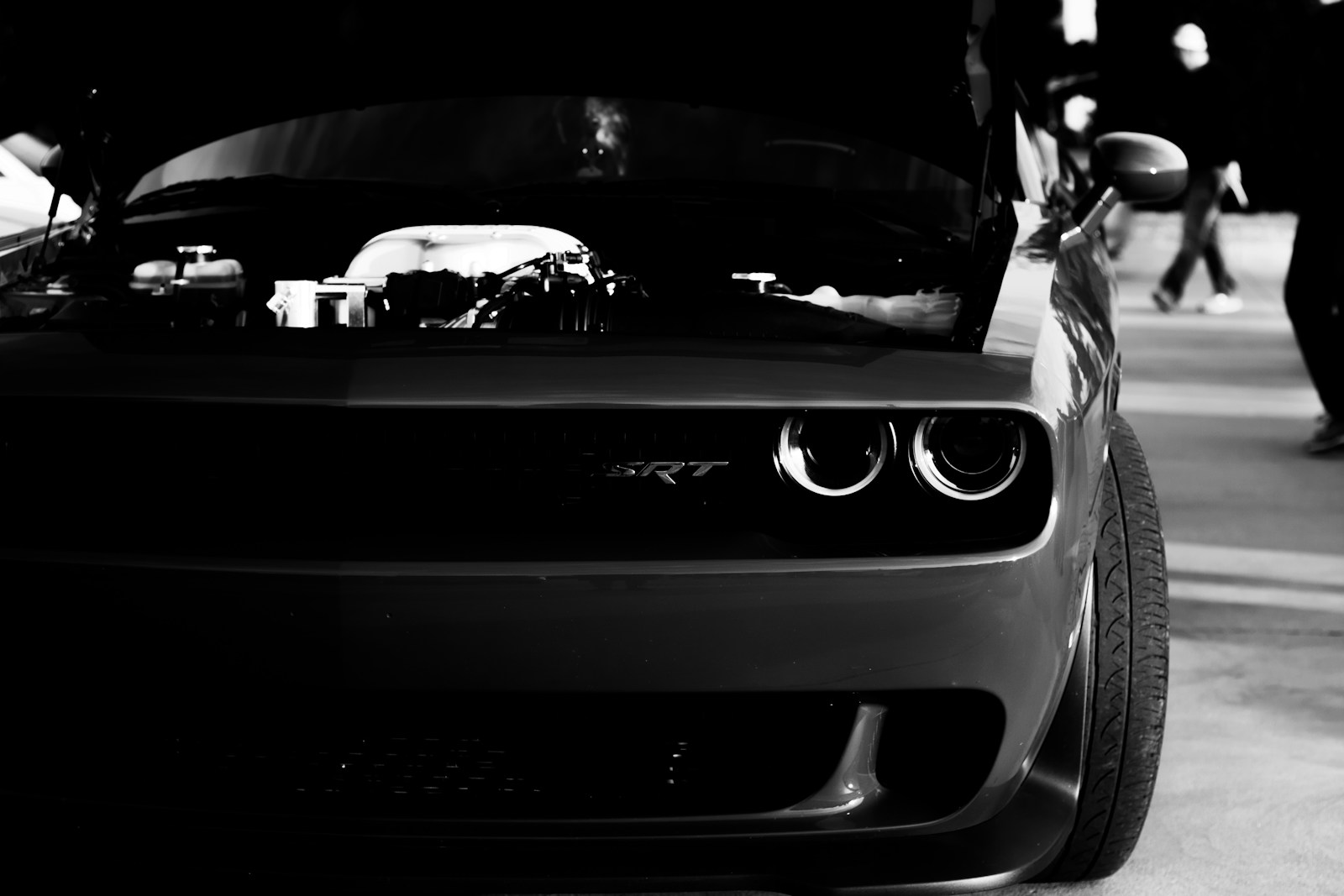

Not every car that rolls off the assembly line becomes a legend for the right reasons. Some vehicles earn their place in automotive history through spectacular failures, whether from questionable design choices, mechanical disasters, or safety scandals that made headlines. These infamous automobiles didn’t just fail—they became cultural touchstones that car enthusiasts and casual drivers still debate decades later.
The automotive industry has produced its share of vehicles that became famous for all the wrong reasons, from explosion-prone gas tanks to styling so polarizing it sparked endless mockery. Yet something fascinating happens when a car fails this dramatically. Instead of fading into obscurity, these models become the stuff of legend, with their stories passed down through generations of drivers who either owned one, knew someone who did, or simply couldn’t stop talking about them.
What makes these automotive disasters so memorable isn’t just their flaws. It’s the human stories attached to them—the executives who bet everything on a doomed concept, the owners who defended their purchases against relentless ridicule, and the cultural moments that transformed cars so bad they nearly killed their brand into unlikely icons. Some even found redemption through pop culture, proving that in the car world, being spectacularly bad can be more memorable than being merely good.
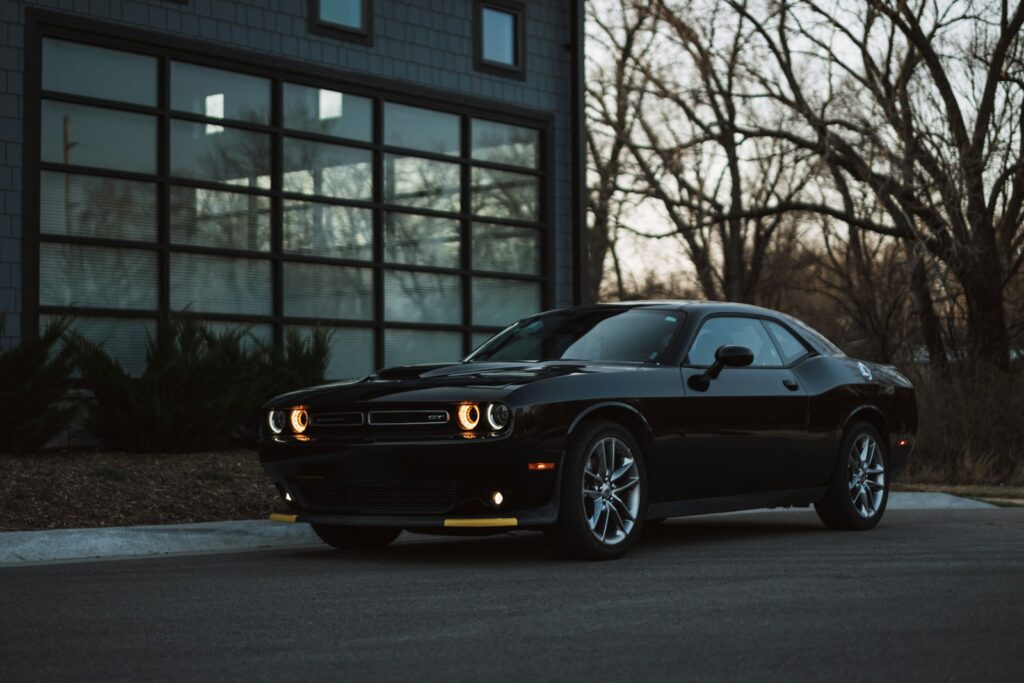
Infamous Cars That Became Icons
Some vehicles earned their place in history not through engineering excellence but through their starring roles in entertainment and culture. The Dodge Charger became synonymous with rebellious TV heroes, while a humble Volkswagen Beetle transformed into a racing legend with a mind of its own.
General Lee and the Dodge Charger’s Wild Ride
The 1969 Dodge Charger became one of television’s most recognizable vehicles thanks to The Dukes of Hazzard. Painted bright orange with a Confederate flag on the roof and the number 01 on the doors, the General Lee spent seven seasons jumping over obstacles and outrunning the law.
The show’s producers destroyed an estimated 300 Dodge Chargers during filming. Each jump, crash, and chase required multiple cars, making authentic General Lee replicas increasingly rare and valuable. The Charger itself was already a muscle car icon, but the show elevated it to legendary status among automotive enthusiasts.
Today, the General Lee remains controversial due to its Confederate imagery. Despite this, it continues to appear at car shows and auctions, where fans debate its cultural significance versus its problematic symbolism.
The Volkswagen Beetle and Herbie’s Unexpected Fame
The Volkswagen Beetle starring as Herbie in Disney’s The Love Bug franchise transformed a practical economy car into a personality. Starting in 1968, the pearl white Bug with red and blue racing stripes and the number 53 became a character that could think, feel, and win races on its own.
Herbie’s defining features:
- Racing number 53 painted on doors and hood
- Red and blue striping along the sides
- Apparent ability to drive itself
- Wins against more powerful sports cars
The films spawned sequels, a TV series, and countless replica builds. Herbie proved that a car designed for affordability and efficiency could capture hearts through charm rather than horsepower. The Beetle’s already quirky reputation made it perfect for this anthropomorphic role.
Pink Cadillac: Style Over Substance
Elvis Presley’s pink 1955 Cadillac Fleetwood became as iconic as the King himself. He bought the car for his mother, Gladys, though she never learned to drive it. The custom pink paint job matched the era’s love of bold colors and excess.
The pink Cadillac symbolized success and flashy American style. Mary Kay Cosmetics later adopted pink Cadillacs as rewards for top salespeople, cementing the connection between the color and aspirational luxury. The car appeared in songs, films, and became shorthand for 1950s rock and roll culture.
Elvis owned the vehicle until 1955, and it now resides at Graceland. The pink Cadillac represents an era when cars were statement pieces rather than mere transportation.
Further: The Bus That Drove Into Pop Culture
Ken Kesey and the Merry Pranksters turned a 1939 International Harvester school bus into a cultural icon. Painted in psychedelic colors and named Further, the bus carried Kesey’s group across America in 1964, documenting their journey and spreading countercultural ideas.
The bus represented freedom, experimentation, and rejection of mainstream values. Neal Cassady, inspiration for Jack Kerouac’s On the Road, drove the bus during its most famous cross-country trip. Tom Wolfe later chronicled the journey in The Electric Kool-Aid Acid Test.
Further spawned countless imitations as hippies and travelers converted buses into mobile homes. The original bus underwent restoration and now sits in a museum, preserved as a symbol of 1960s counterculture and the idea that the journey matters more than the destination.
The Drivers and Legends Behind the Wheel
Some cars earned their fame through the people who drove them. Racing icons, Hollywood stars, and daredevil stunt drivers who became legends turned ordinary vehicles into cultural touchstones through sheer charisma and skill.
Steve McQueen and His Legendary Stunts
Steve McQueen didn’t just act cool—he actually was cool behind the wheel. The actor performed many of his own stunts and owned an impressive collection of cars and motorcycles. His 1968 Highland Green Mustang GT from Bullitt became one of cinema’s most iconic vehicles after that legendary San Francisco chase scene.
McQueen raced competitively too. He drove a Porsche 908 at the 1970 12 Hours of Sebring and nearly competed at Le Mans before insurance companies intervened. His passion for speed wasn’t manufactured for the cameras.
Off-screen, he collected Ferraris, Jaguars, and custom motorcycles. He even had Ed Pink, a legendary engine builder, work on some of his race cars. McQueen’s genuine love for motorsports made him more than just another celebrity gearhead—he was the real deal.
Elvis Presley: The King and His Cars
Elvis Presley‘s car collection reflected his larger-than-life personality. He owned over 100 vehicles during his lifetime, including multiple Cadillacs, a Rolls-Royce, and his famous pink 1955 Cadillac Fleetwood. That pink Cadillac became almost as recognizable as Elvis himself.
The King didn’t just buy cars for show. He frequently gave them away to friends, family, and even strangers who caught his eye. He once bought a woman a Cadillac in a showroom simply because she admired it.
His 1973 Stutz Blackhawk and his Mercedes-Benz 600 were among his favorites. Elvis treated cars like toys, customizing them with wild colors and luxury features. His automotive extravagance became part of his legend.
Hollywood and Racing: Famous Drivers in the Spotlight
Hollywood’s relationship with racing created stars on both sides of the camera. Paul Newman became a serious racing driver later in life, competing professionally into his 70s. He won races at Lime Rock and Daytona, proving actors could genuinely compete.
James Dean died in his Porsche 550 Spyder on his way to a racing event in 1955. His death cemented the connection between Hollywood danger and automotive speed. Patrick Dempsey continues that tradition today, racing professionally at events like the 24 Hours of Le Mans while maintaining his acting career.
Motorsport Madness: NASCAR, Daytona, Charlotte, and Indy
NASCAR transformed drivers into legends through circuits like Daytona and Charlotte. Dale Earnhardt’s aggressive driving style at tracks like Talladega and Charlotte Motor Speedway earned him the nickname “The Intimidator.” His black No. 3 Chevrolet became synonymous with fearless racing.
Richard Petty dominated with 200 career wins, many at Daytona. His Plymouth Superbirds and Dodge Chargers became as famous as the driver himself. At Indianapolis, A.J. Foyt won the Indy 500 four times between 1961 and 1977.
Mario Andretti conquered everything from Indy to Formula One. He won at Daytona, Indianapolis, and circuits worldwide. These drivers didn’t just race—they created legacies that outlasted their careers.
More from Steel Horse Rides: