


There is something undeniably thrilling about sports cars. The allure of raw horsepower under a sleek, aerodynamic shell can make hearts pound and adrenaline surge. However, not all sports cars are destined for glory. Some, despite their stunning designs and impressive stats, are doomed to fail.
These automotive tragedies often result from a series of costly mistakes, offering lessons for car manufacturers and enthusiasts alike. Let’s embark on a journey through some sports cars that, tragically, were destined to fail and discover the errors that sealed their fate.
DeLorean DMC-12

The DeLorean DMC-12, familiar to many from the ‘Back to the Future’ franchise, was a commercial disappointment. This iconic sports car had a futuristic design but was plagued by performance issues. The DMC-12 was powered by a weak V6 engine incapable of delivering the expected supercar performance.
Additionally, the car’s high price tag, combined with its underwhelming performance, led to poor sales and ultimately the DeLorean company going bankrupt. Although the DMC-12 has gained cult status due to its movie appearances, it serves as a stark reminder that a sports car needs more than just an eye-catching design to be successful.
Vector W8
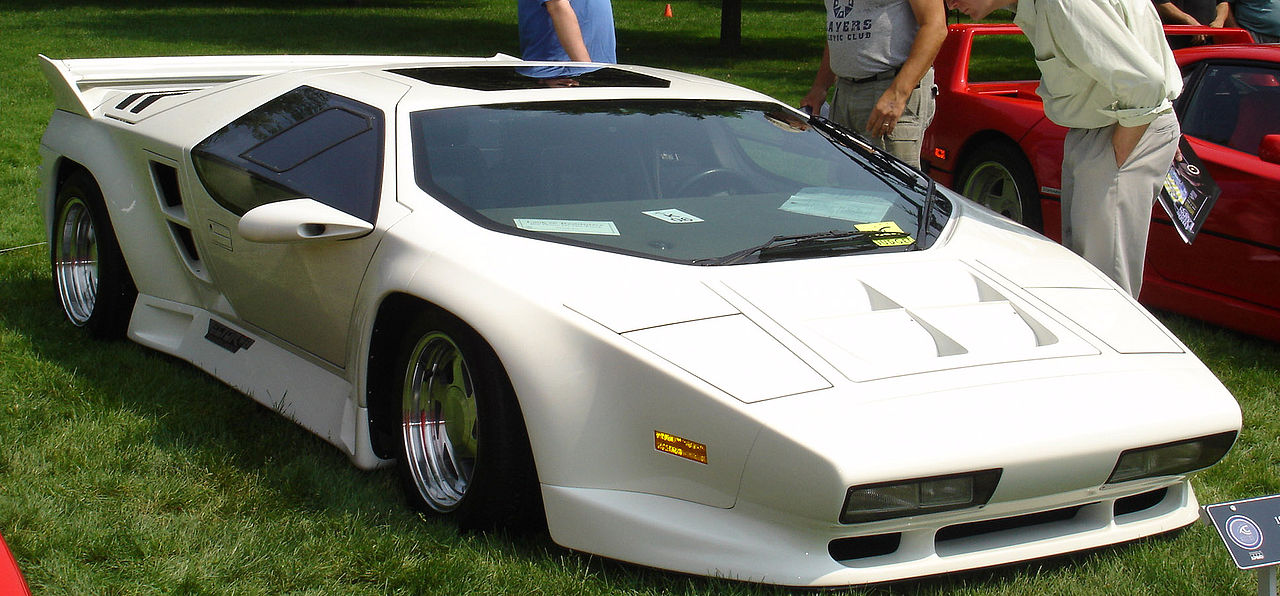
The Vector W8, an American supercar from the 1980s, promised to rival the likes of Ferrari and Lamborghini. Despite its aggressive design and a powerful twin-turbocharged V8 engine, the Vector W8 quickly fell into obscurity.
The car suffered from numerous reliability issues and poor build quality, which was unacceptable given its high price tag. Furthermore, the company behind the W8, Vector Aeromotive Corporation, faced numerous financial and legal problems, further tarnishing the car’s reputation and leading to its downfall.
Jaguar XJ220
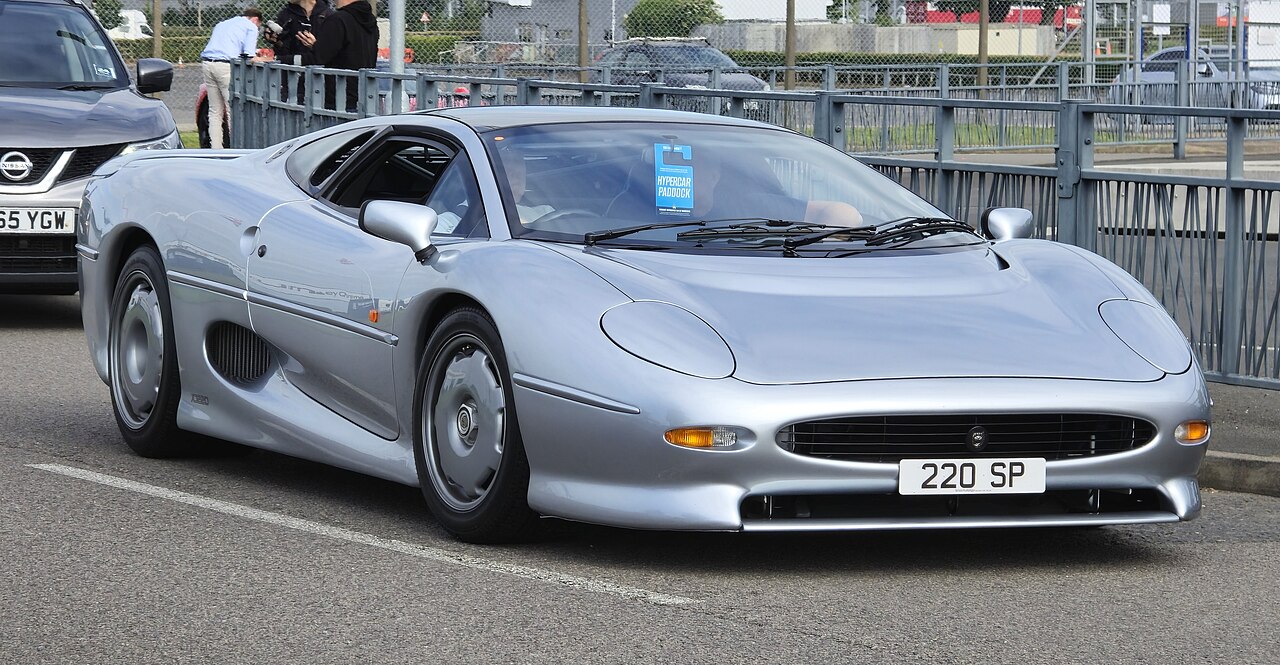
Originally envisaged with a V12 engine and four-wheel drive, the Jaguar XJ220 hit the market with a V6 and rear-wheel drive, disappointing many prospective buyers. Moreover, its exorbitant price tag didn’t help its cause.
The 1990s economic recession led to a dip in the luxury car market, and many customers pulled out of their purchases. Despite being the fastest production car in the world at the time, the XJ220 couldn’t attract enough buyers, ultimately becoming a financial disaster for Jaguar.
Bugatti EB110
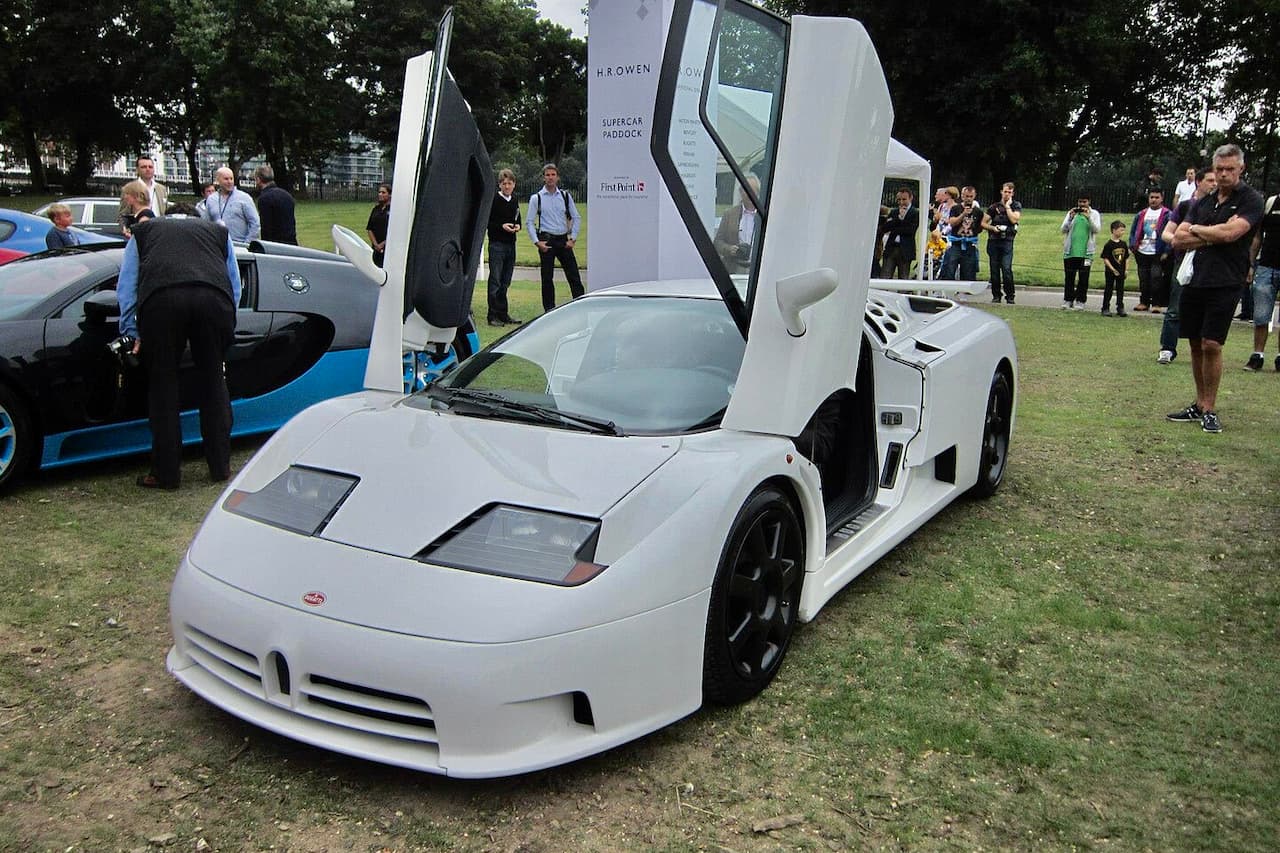
The Bugatti EB110 was a technologically advanced supercar that was unfortunately launched at the wrong time. This Bugatti model came onto the scene during the early 90s, a period of economic slump, which made it difficult to find buyers who could afford such an extravagant machine.
Additionally, the car faced stiff competition from the McLaren F1, which was not only faster but also more desirable. The EB110, despite its impressive specs and luxurious features, was unable to compete successfully in the market, leading to Bugatti’s bankruptcy in 1995.
Mosler MT900
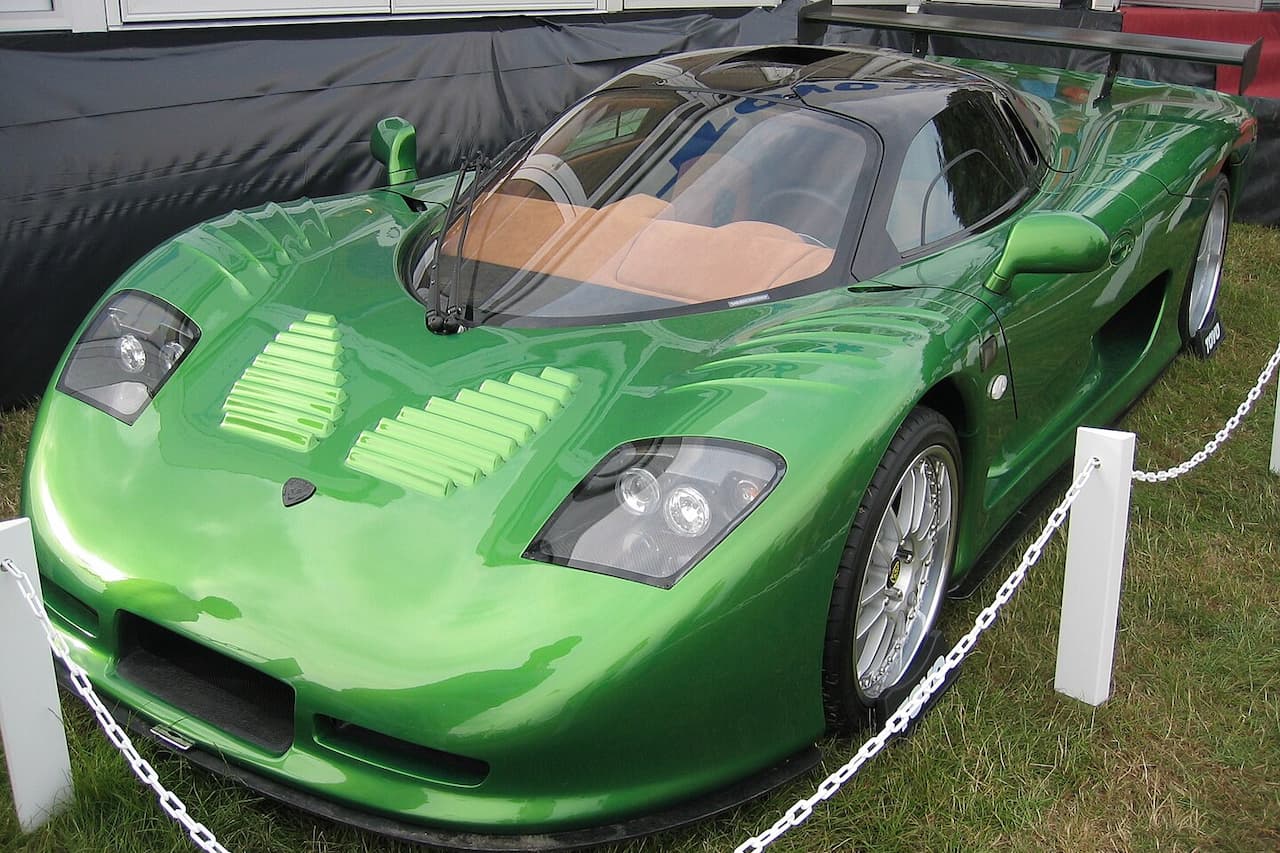
The Mosler MT900 was an American supercar that failed to make a mark despite its impressive performance figures. The car was powered by a Corvette-sourced V8 engine, and its lightweight construction allowed for excellent performance.
However, the Mosler lacked the brand cachet of its European rivals. Despite being faster and cheaper than many of its contemporaries, the MT900 couldn’t break into the market dominated by established brands, leading to its obscurity.
Cizeta V16T
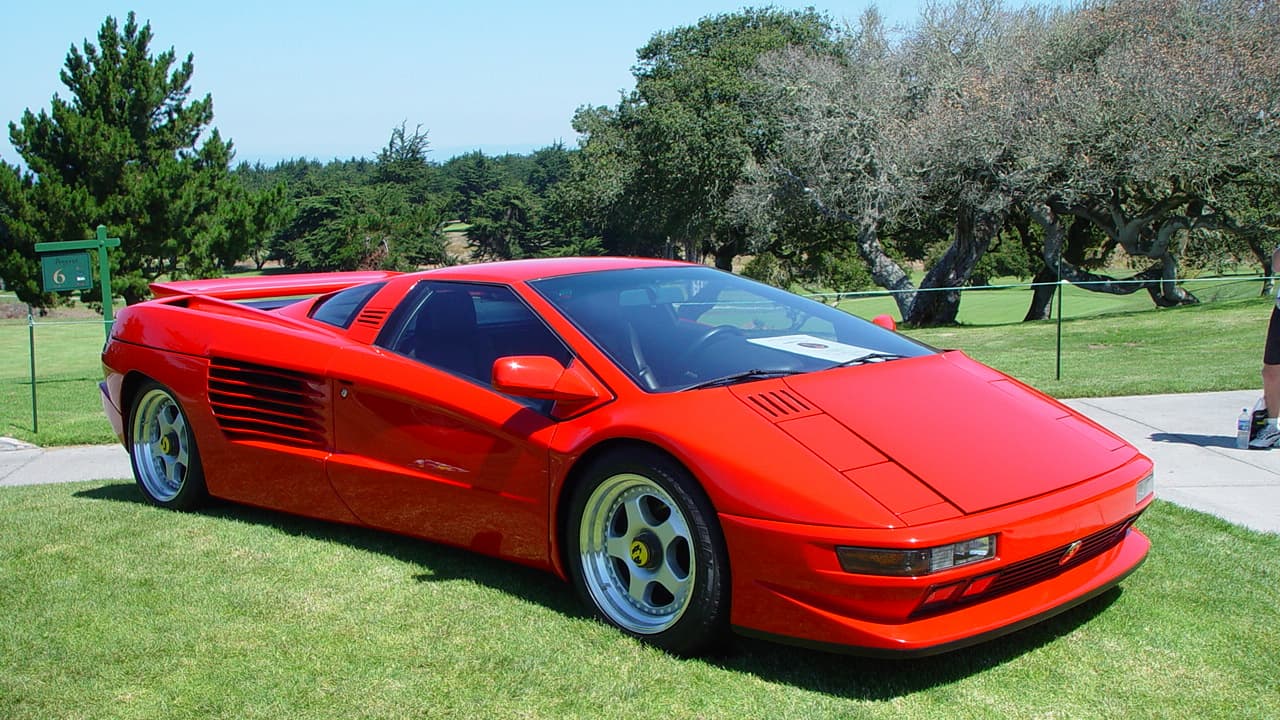
The Cizeta V16T was an ambitious project, boasting a 16-cylinder engine – a rarity in the supercar world. However, the car was incredibly expensive, and its unconventional design didn’t appeal to everyone.
Moreover, the company behind the Cizeta, Cizeta-Moroder, was a new player in the supercar market, and it struggled to establish a reputation amid stiff competition. As a result, only a handful of V16Ts were ever produced, making it a commercial failure.
Bristol Fighter
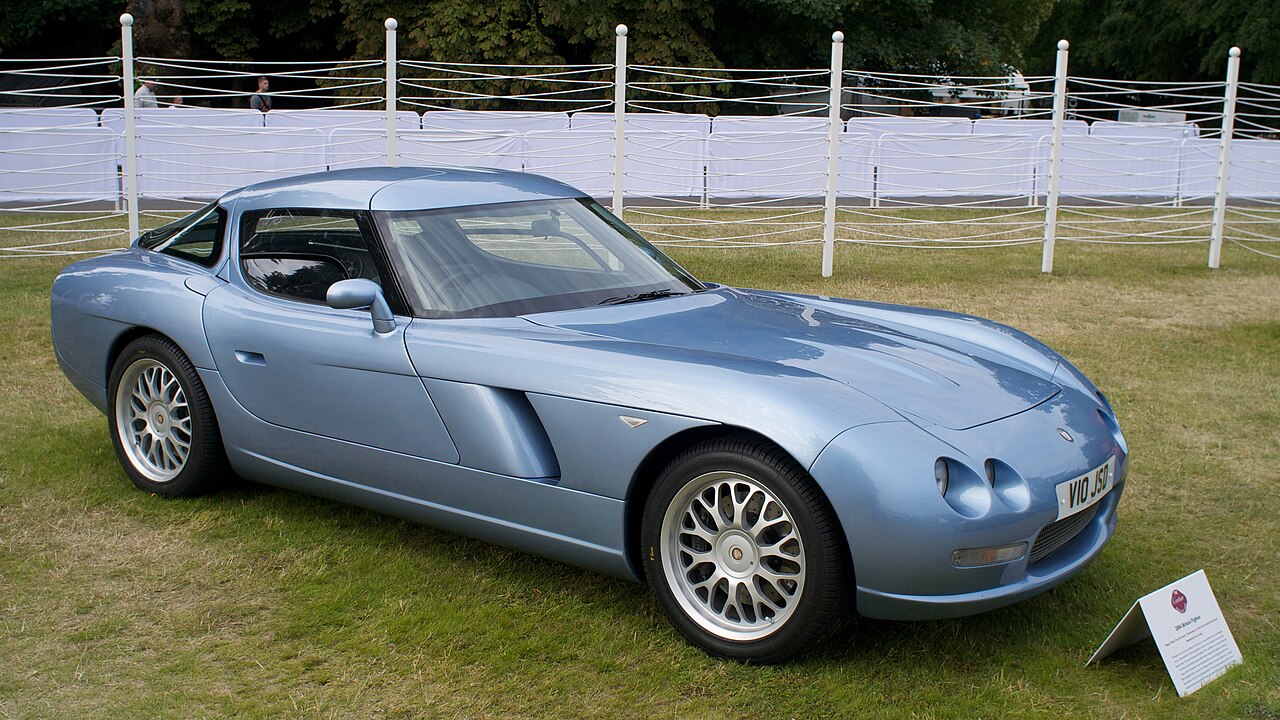
The Bristol Fighter was a British supercar with a unique design and a powerful V10 engine. However, the Fighter suffered from Bristol Cars’ traditional business model, which involved selling cars directly to customers without any dealers or advertising.
This approach, combined with the Fighter’s unconventional styling, failed to attract enough customers. Despite having the potential to be a great supercar, the Bristol Fighter’s lack of visibility in the market led to its downfall.
Weber Faster One
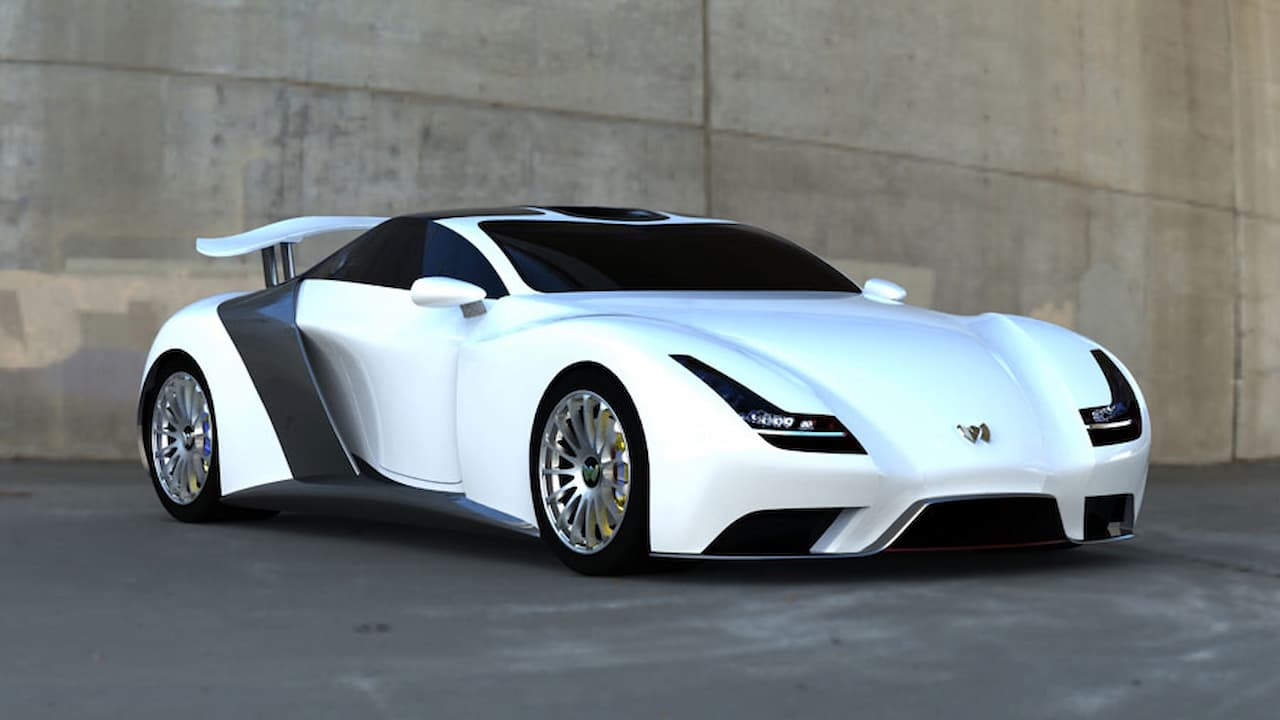
The Weber Faster One was a Swiss supercar that promised to be the fastest in the world. Despite its bold claims and powerful specs, the Faster One couldn’t make a mark in the supercar world.
The car suffered from a lack of brand recognition, and its design was considered too extreme by many. Despite its impressive performance figures, the Weber Faster One failed to attract buyers, resulting in its commercial failure.
Gumpert Apollo
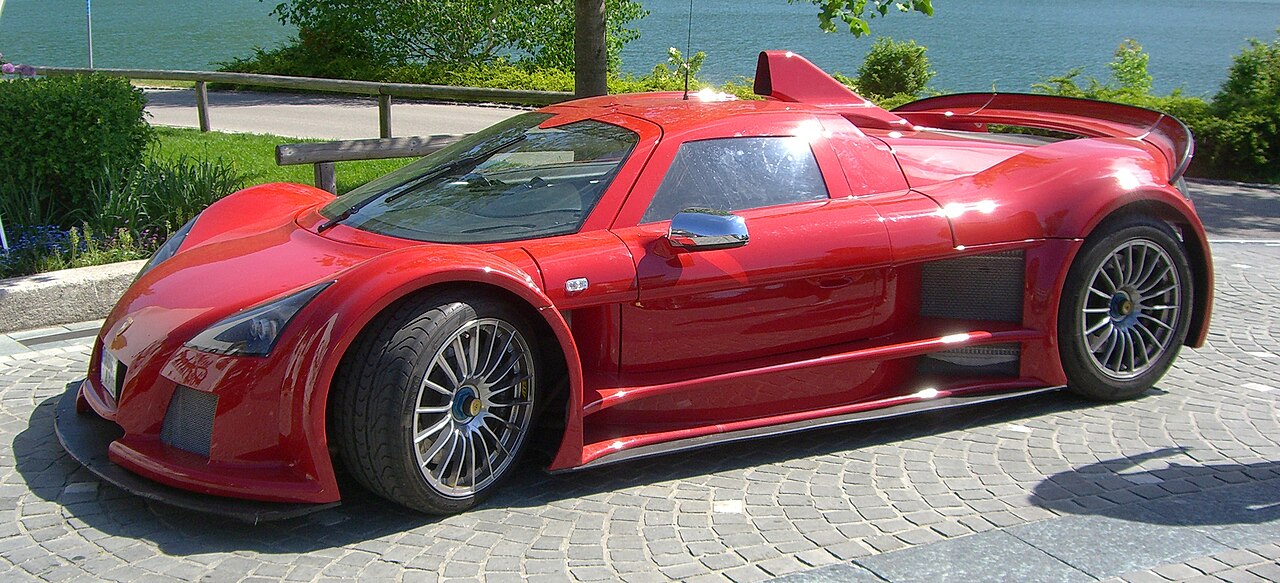
The Gumpert Apollo was a German supercar that was renowned for its track performance. However, the Apollo’s extreme focus on performance resulted in a car that was uncomfortable and impractical for daily use.
Furthermore, the car’s unconventional design was polarizing, and many potential buyers were put off by its looks. Despite its impressive track credentials, the Apollo’s lack of practicality and divisive looks led to its downfall.
Qvale Mangusta
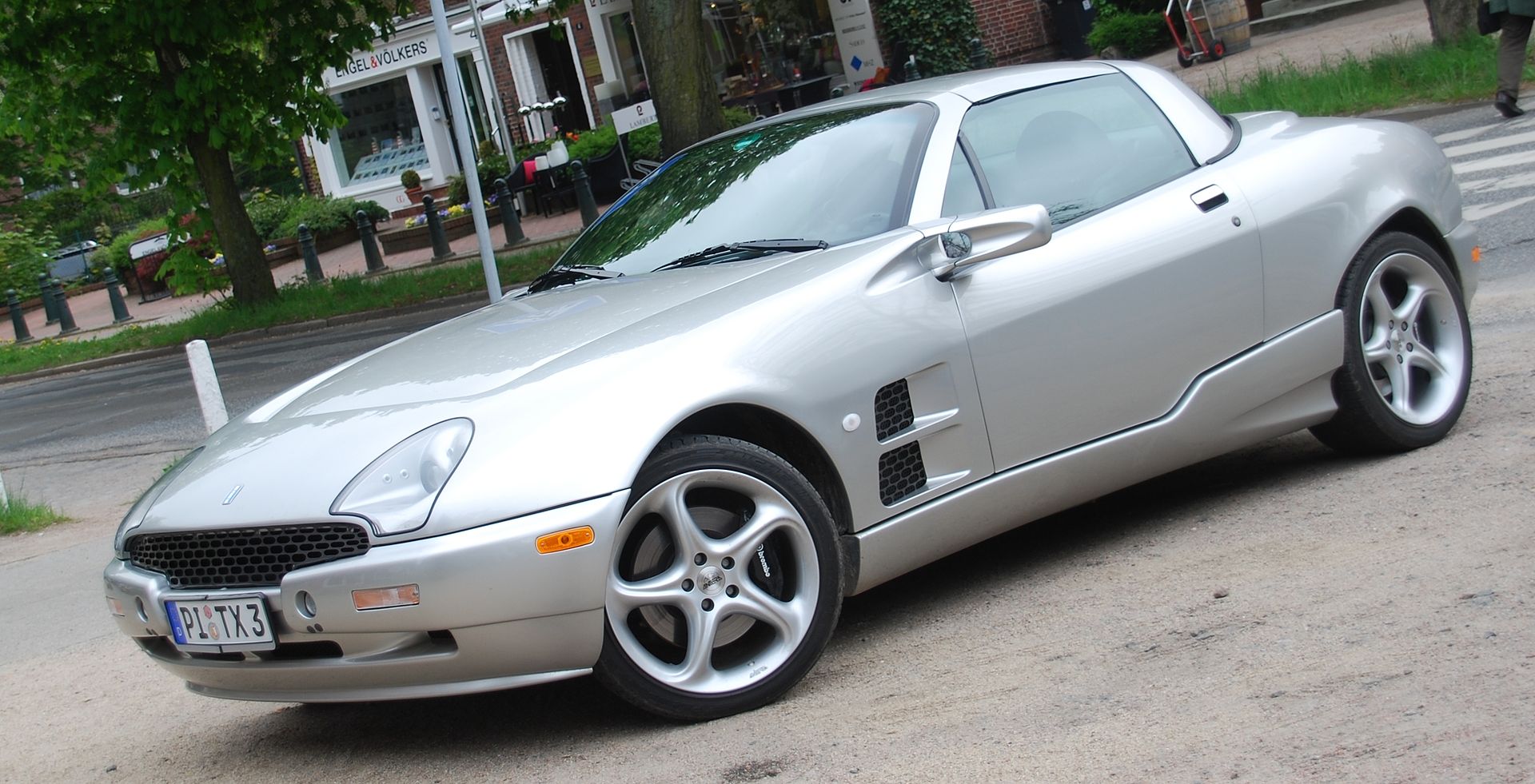
The Qvale Mangusta was an Italian-American sports car that failed to resonate with buyers. The car was powered by a Ford V8 engine and had a unique design, but it couldn’t compete with established supercar brands.
Additionally, the Mangusta suffered from quality issues, and its design was considered outdated compared to its rivals. Despite its unique features, the Qvale Mangusta couldn’t break into the competitive supercar market, leading to its obscurity.
Arash AF10
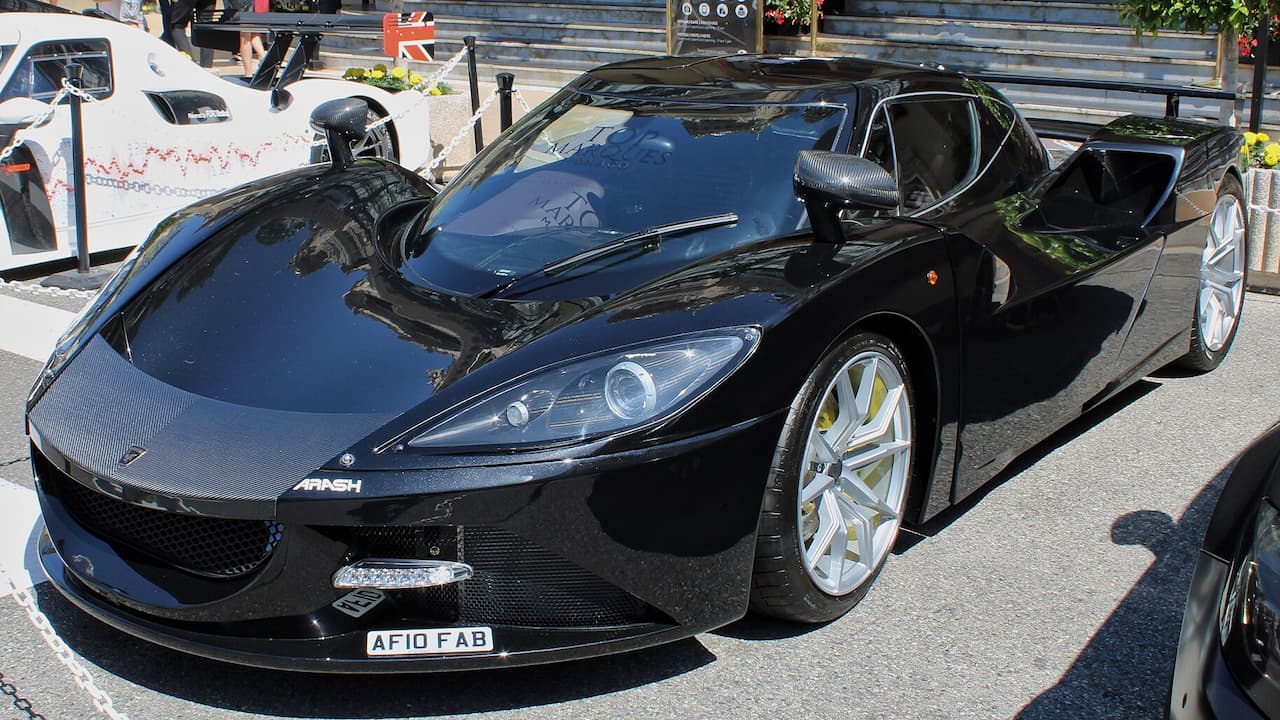
The Arash AF10 was a British supercar with a hybrid powertrain that promised mind-boggling performance. However, the car’s high price tag and the company’s lack of reputation in the supercar market led to its downfall.
Furthermore, the AF10’s design was considered too radical by some, and it failed to attract enough buyers. Despite its impressive specs, the Arash AF10 couldn’t compete with established supercar brands, leading to its commercial failure.
Mitsuoka Orochi
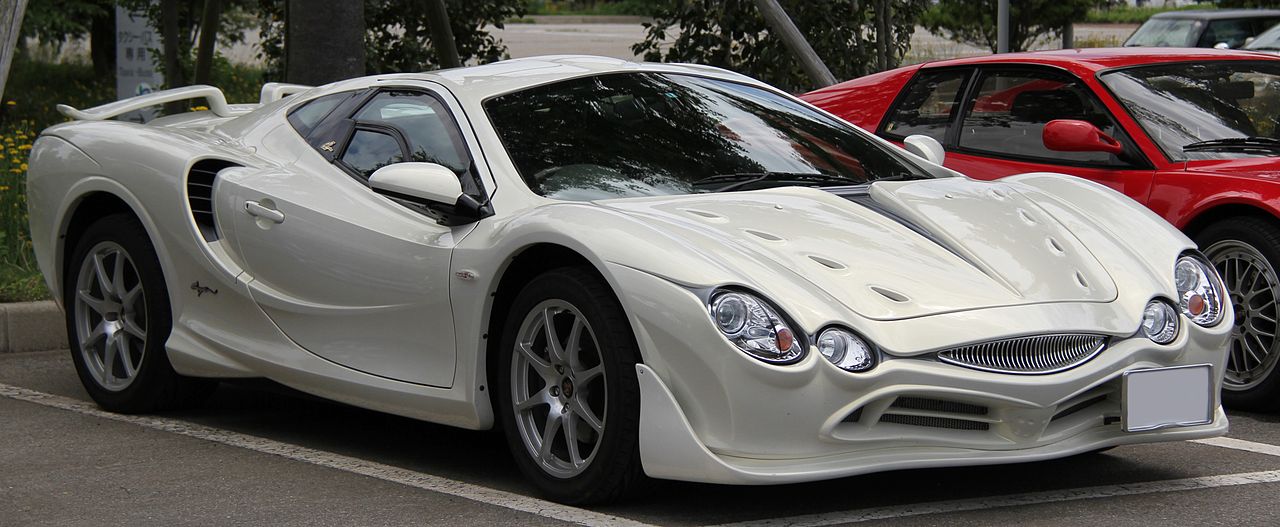
The Mitsuoka Orochi from Japan was arguably one of the strangest-looking sports cars ever made. Its design was polarizing, to say the least, and its performance didn’t live up to supercar standards.
The Orochi was powered by a relatively weak V6 engine from a Toyota Camry, and its performance was underwhelming compared to its rivals. Despite its unique looks, the Mitsuoka Orochi failed to make a mark in the sports car world, leading to its eventual discontinuation.
Marussia B2
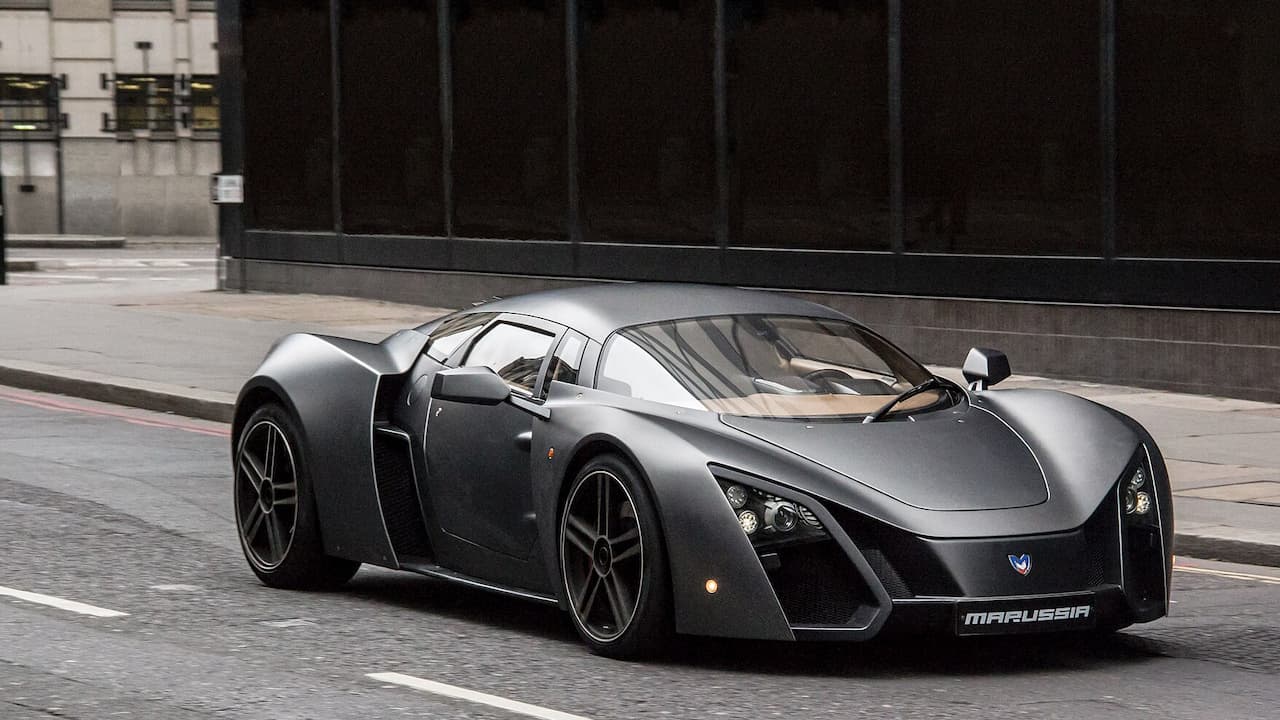
The Marussia B2 was Russia’s attempt at a supercar, but it failed to make an impact. The B2 suffered from reliability issues, and its performance wasn’t up to par with other supercars.
Moreover, the company behind the B2, Marussia Motors, faced financial difficulties that eventually led to its bankruptcy. Despite its aggressive design, the Marussia B2 couldn’t compete in the supercar market, leading to its downfall.
Spyker C8
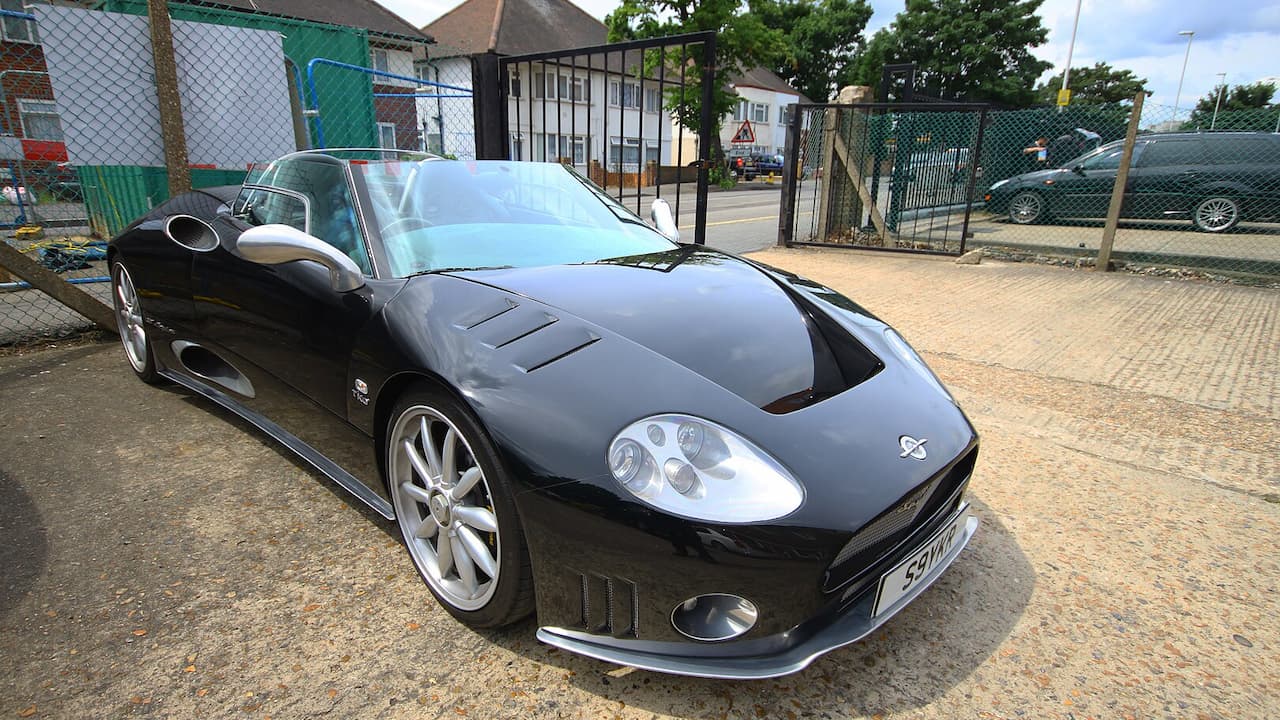
The Spyker C8 was a Dutch supercar that combined retro styling with modern performance. However, the C8 failed to resonate with buyers, and its high price tag didn’t help its cause.
Moreover, the company behind the C8, Spyker Cars, faced numerous financial difficulties that tarnished the car’s reputation. Despite its unique design and impressive performance, the Spyker C8 couldn’t compete in the supercar market, leading to its downfall.