
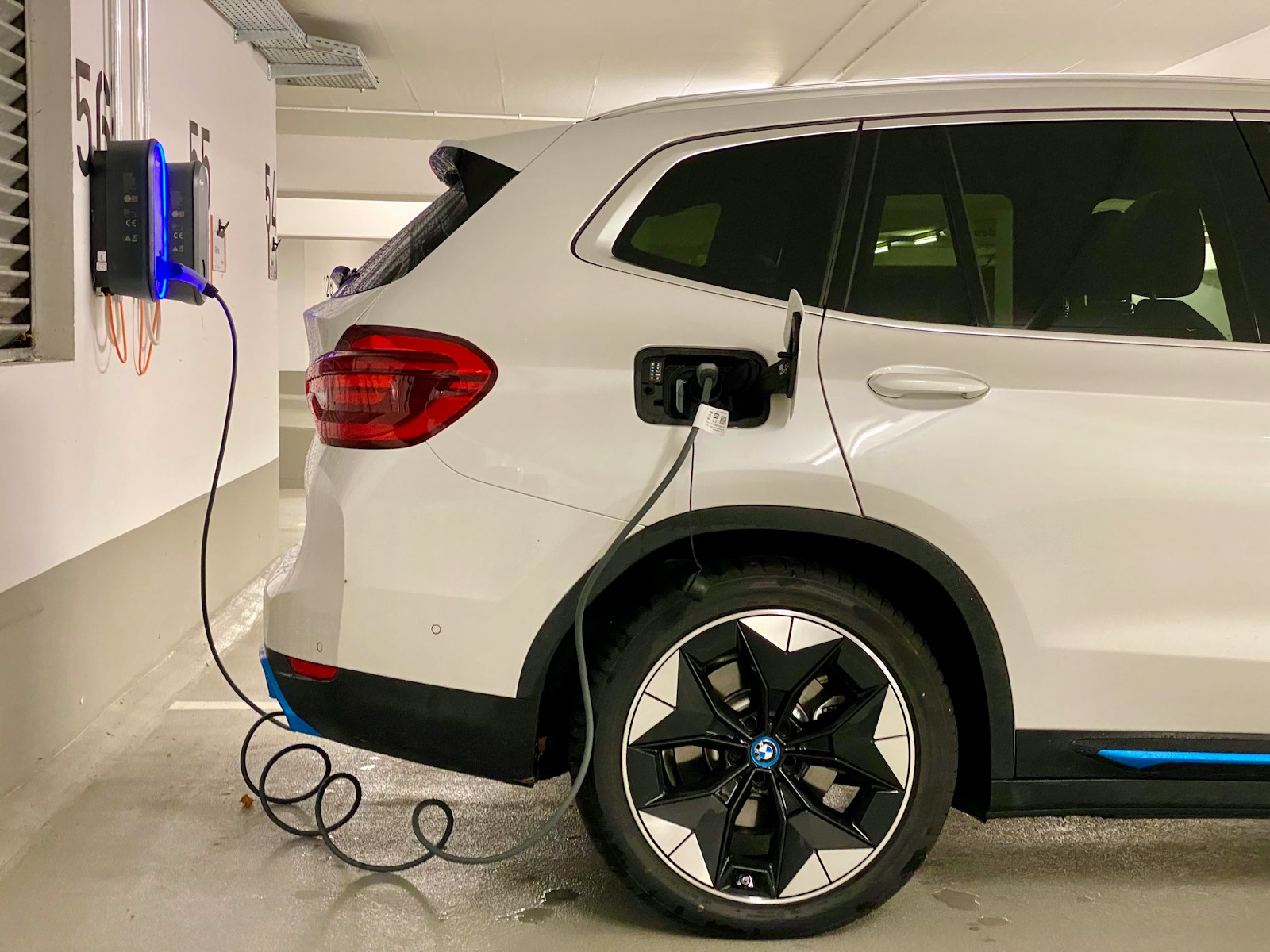

The battle over electric vehicle policy has moved from Washington to state capitals, where Democratic-led governments are mounting an aggressive legal fight to preserve EV infrastructure funding and incentives. Sixteen states and the District of Columbia sued the Trump administration in December 2025 for withholding over $2 billion in EV charging infrastructure funding that was allocated by Congress under the previous administration. This lawsuit represents just the latest clash in an escalating war between pro-EV states and federal authorities over the future of electric transportation.
The conflict extends beyond just charging infrastructure. California and ten other states have filed separate legal challenges against the federal rollback of EV mandates, arguing they have legal rights under the Clean Air Act to set tougher emission standards. The administration halted spending on EV charging programs in February 2025, forcing states to either fight back through the courts or watch billions in promised funding evaporate.
What makes this fight particularly complex is that even some Democratic-led states are reconsidering their own EV incentives as budgets tighten. The combination of federal policy reversals, state legal battles, and shifting economic realities is creating uncertainty about whether the nationwide charging network and EV adoption goals can survive the political turbulence.
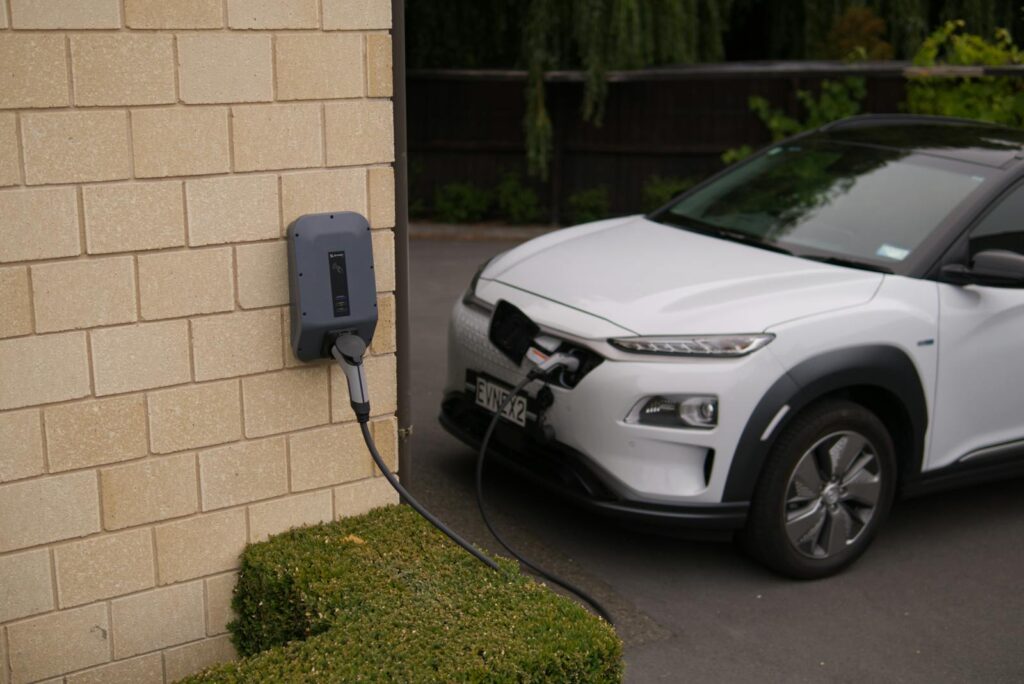
How States Are Reacting to Shifting EV Incentives
Federal EV support has been systematically dismantled under the Trump administration, prompting states to launch legal challenges and scramble to protect charging infrastructure funding. Minnesota tripled its annual EV surcharge from $75 to $200 while eliminating rebates, and Colorado slashed its tax credit from $5,000 to $3,500.
The Rollback of Federal EV Support and the Trump Administration’s Role
The Trump administration has targeted multiple layers of EV incentives through executive orders and congressional action. Language in recent orders indicates the administration seeks to repeal the $7,500 tax credit for new EV purchases that Congress approved in Biden’s 2022 climate law.
The White House is also moving to cancel funding for a $5 billion EV charging station grant program. Federal waivers for California were undone by congressional vote, removing the state’s ability to set stricter emission standards.
Trump issued executive orders to roll back Biden-era Environmental Protection Agency rules that tightened limits on greenhouse gas emissions from passenger and commercial vehicles. The administration’s “Unleash American Energy” order specifically takes aim at renewable energy sources and financial incentives attached to EV purchases.
Legislative Pushback: State Action and Legal Battles
Minnesota’s Democratic Attorney General Keith Ellison joined a multi-state coalition of attorneys general suing the Trump administration over federal EV policy changes. Ellison drew a distinction between state and federal actions, saying the legislative changes in Minnesota were disagreeable but constitutional, while the president’s actions were “unconstitutional and illegal.”
Democratic Representative Larry Kraft expressed disappointment that Minnesota lawmakers couldn’t make more progress on climate policy. He noted that “the climate doesn’t give us a pause” and emphasized renewed commitment to work on the issue despite political obstacles.
Governor Tim Walz defended the EV surcharge increase, arguing that EVs use roads and should pay their fair share since the gas tax funds road maintenance. The Minnesota House, tied between Republicans and Democrats, has limited the state’s ability to advance climate initiatives.
Bipartisan Infrastructure Law and Charger Funding Fights
States are working to preserve charging infrastructure as the Trump administration threatens funding streams established under the Bipartisan Infrastructure Law. The $5 billion charging station grant program faces cancellation, forcing states to adapt their zero-emission vehicle strategies.
A total of 46 states plus DC and Puerto Rico took actions related to EVs and charging infrastructure during 2024, according to quarterly tracking data. States are focusing on grid integration and expanding charging networks even as federal support erodes.
Some states are offering their own rebates and Level 2 charger incentives to compensate for lost federal credits. The rollback puts states back in the driver’s seat on encouraging the transition to electric vehicles, though budgets remain constrained.
State-Level Impacts on EV Adoption and Charging Networks
States are responding to federal changes with varied strategies that directly affect both charging infrastructure rollouts and consumer access to electric vehicles. The political landscape is shifting rapidly as some states double down on electrification goals while others pull back.
Changes in State Incentive Programs and Local Politics
States are stepping up with new rebates and incentives following the rollback of the $7,500 federal EV tax credit under the Trump administration. California, led by Governor Gavin Newsom, has maintained aggressive support for electric vehicles despite federal pushback. The state faces pressure as federal efforts attempt to rescind California’s Clean Air Act exemption that has allowed it and other states to set stricter vehicle standards.
Illinois utilities are moving forward with substantial commitments. ComEd is pushing ahead with $100 million in rebates for EV charger installations across homes, businesses, and public locations around Chicago. New Jersey utilities filed Medium- and Heavy-Duty Electric Vehicle Plans during the first quarter of 2025.
Virginia lawmakers passed legislation regulating utility ownership of charging infrastructure and transportation electrification plans. Illinois regulators approved utilities’ Beneficial Electrification Plans. However, not all states are expanding programs—some policymakers are pursuing restrictions and retractions on electric vehicle policies.
Challenges and Consequences for Charging Station Expansion
The infrastructure buildout faces mounting obstacles as federal funding becomes uncertain. Federal actions include revoking funding for charging infrastructure and eliminating key tax credits that had supported station development.
States and utilities are picking up the slack. During Q1 2025, 35 states plus the District of Columbia and Puerto Rico took actions related to electric vehicles and charging infrastructure. The most common actions involved:
- Rate design for commercial, public, and residential charging
- Rebate and grant programs
- Managed charging programs
- Charging infrastructure planning activities
- Registration or charging fees for electric vehicles
Almost every state offers incentives or rebates for EV charging equipment through state or utility programs. All states still participate in the bipartisan National Electric Vehicle Infrastructure (NEVI) program to build a national fast-charging network, though the program’s future remains uncertain.
EV Adoption Trends in Major States
Electric vehicle adoption varies significantly across the U.S., with California and Washington leading while Mississippi lags behind. The most active states during Q1 2025 were New Jersey, Maryland, California, Massachusetts, Michigan, Virginia, Hawaii, and Illinois.
A total of 170 electric vehicle actions were taken during the first quarter of 2025. Eight states had enacted legislation related to transportation electrification by mid-April 2025. Massachusetts launched a statewide Vehicle-to-Everything pilot through the Clean Energy Center.
The federal government suspended the National Electric Vehicle Incentive Program for review during Q1 2025, creating uncertainty for consumers. Regulators in several states approved programs specifically designed to incentivize electric school buses as utilities shift focus toward vehicle-grid integration programs that treat electric vehicles as grid resources rather than just load sources.
More from Steel Horse Rides: