

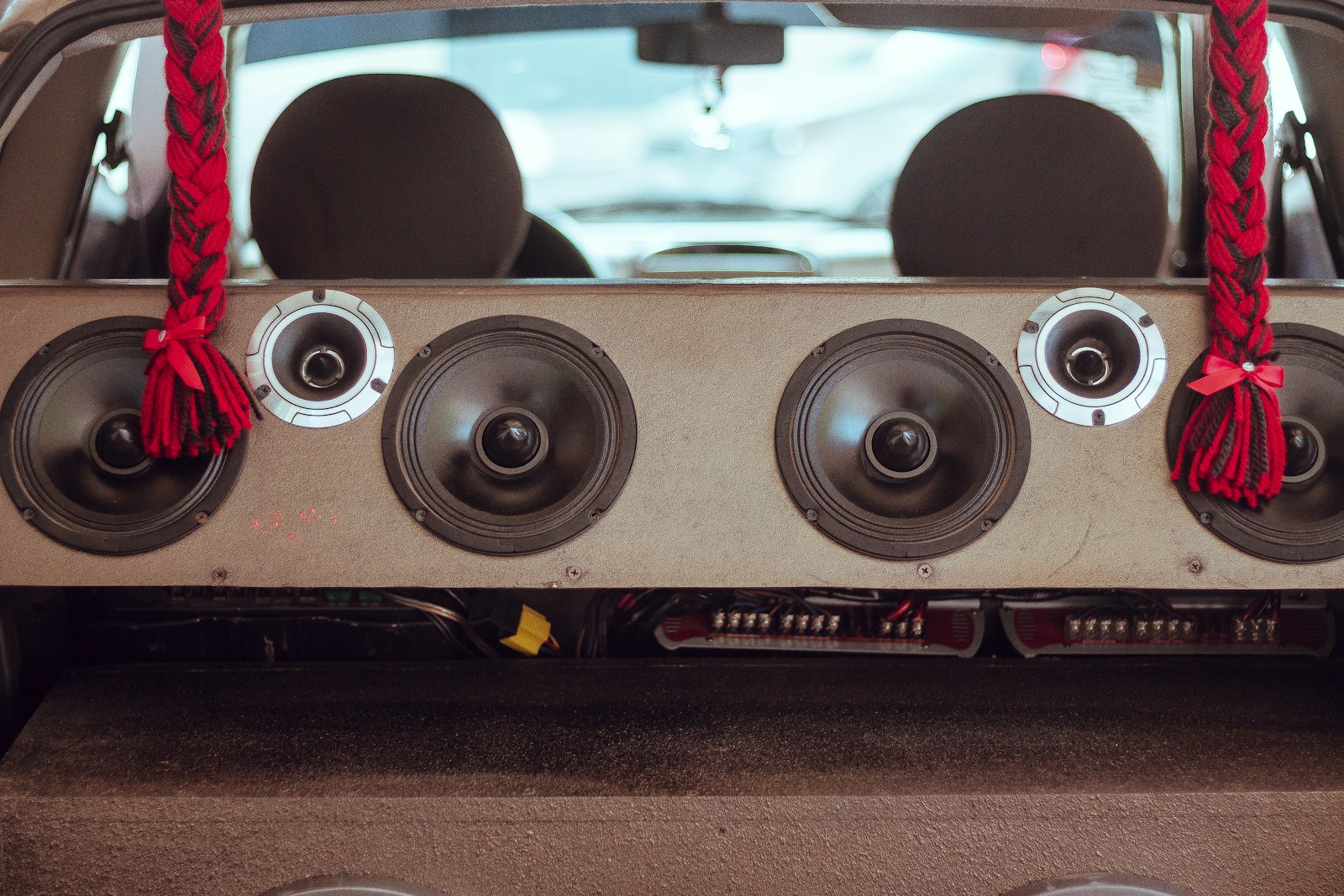
Several states across the U.S. have initiated enforcement measures targeting drivers who play excessively loud music while driving, with fines reaching up to $1,000 in some areas. This crackdown, aimed at reducing noise pollution and improving public safety, affects countless drivers, especially younger individuals who often engage in the practice. The new laws and regulations are now in effect in states like California, Florida, and Texas, raising concerns among motorists about compliance and penalties.
Why the Crackdown on Loud Music?
Noise pollution has long been an issue in urban areas, where loud music from vehicles can disrupt neighborhoods and pose safety risks. Authorities argue that loud music can distract drivers and impede their ability to hear important sounds around them, such as emergency vehicle sirens or pedestrians. The recent uptick in complaints about noise levels has prompted lawmakers to take action, with many citing the need for more peaceful living environments.
Details on New Legislation
In California, the law now permits police officers to issue fines to drivers playing music that can be heard from more than 50 feet away. First-time offenders may face a fine of $100, while repeat offenders could see fines increase to $300 or more. Florida has enacted similar laws, with fines ranging from $60 for a first offense to $250 for repeat violations. Texas has joined the ranks, where cities like Austin have begun implementing stricter noise ordinances that allow for ticketing based on decibel levels.
Where Is It Happening?
California, Florida, and Texas are the states leading the charge, but various cities across the nation are considering similar measures. In California, cities like Los Angeles and San Francisco, known for their bustling nightlife, have seen significant public outcry over noise disturbances. In Florida, Miami-Dade County has reported an increase in noise complaints, prompting local authorities to introduce stricter enforcement of noise regulations. Meanwhile, Austin, Texas, has been proactive in addressing noise issues, particularly around music venues and festivals.
Public Reaction to the Laws
The public response to these new laws has been mixed. While some residents applaud the initiative as a necessary step toward reducing noise pollution, others view it as government overreach infringing on personal freedoms. Young drivers, who are often the target demographic for these fines, have expressed frustration, arguing that music is a form of self-expression. A recent survey conducted in California found that 62% of respondents supported noise ordinances, while 38% felt they were overly restrictive.
Challenges in Enforcement
Enforcing these laws poses challenges for law enforcement agencies. Officers must determine whether the music volume exceeds the legal threshold, which can be subjective. Additionally, there are concerns about racial profiling, as young drivers of color may be disproportionately affected by these regulations. Police departments are being trained to enforce these laws fairly, but the potential for bias remains a concern among community advocates.
Impact on Drivers and Vehicle Modifications
This crackdown may also impact the aftermarket industry, particularly businesses that specialize in audio upgrades for vehicles. Many drivers have invested in high-quality sound systems, such as the popular 2020–2022 Ford F-150 models, which can produce powerful sound outputs. With the new laws in place, these drivers may reconsider their audio modifications or face hefty fines. Industry experts predict a decline in sales for high-powered audio systems if the enforcement continues.
Looking Ahead: Future of Noise Regulations
As states continue to implement and enforce these laws, discussions about noise pollution’s impact on public health and safety are expected to intensify. Advocacy groups are calling for a balanced approach that addresses noise concerns while respecting individual rights. Legislative bodies may consider fine-tuning these regulations to establish clearer guidelines that promote public well-being without stifling personal freedoms.
What Drivers Need to Know
For drivers, it is essential to stay informed about local noise ordinances and adjust their behavior accordingly. Motorists should be aware of the potential fines and legal consequences associated with playing loud music while driving. Checking local guidelines can prevent costly tickets and contribute to a more peaceful community environment.
Urgent Call to Action
With noise regulations now in effect, drivers must adapt to these changes to avoid penalties. Stay informed about your state’s laws and be mindful of your vehicle’s volume while on the road. Engage with local community forums and consider advocating for balanced noise regulations that respect both public peace and personal expression. Your actions can contribute to a more harmonious environment for everyone.