
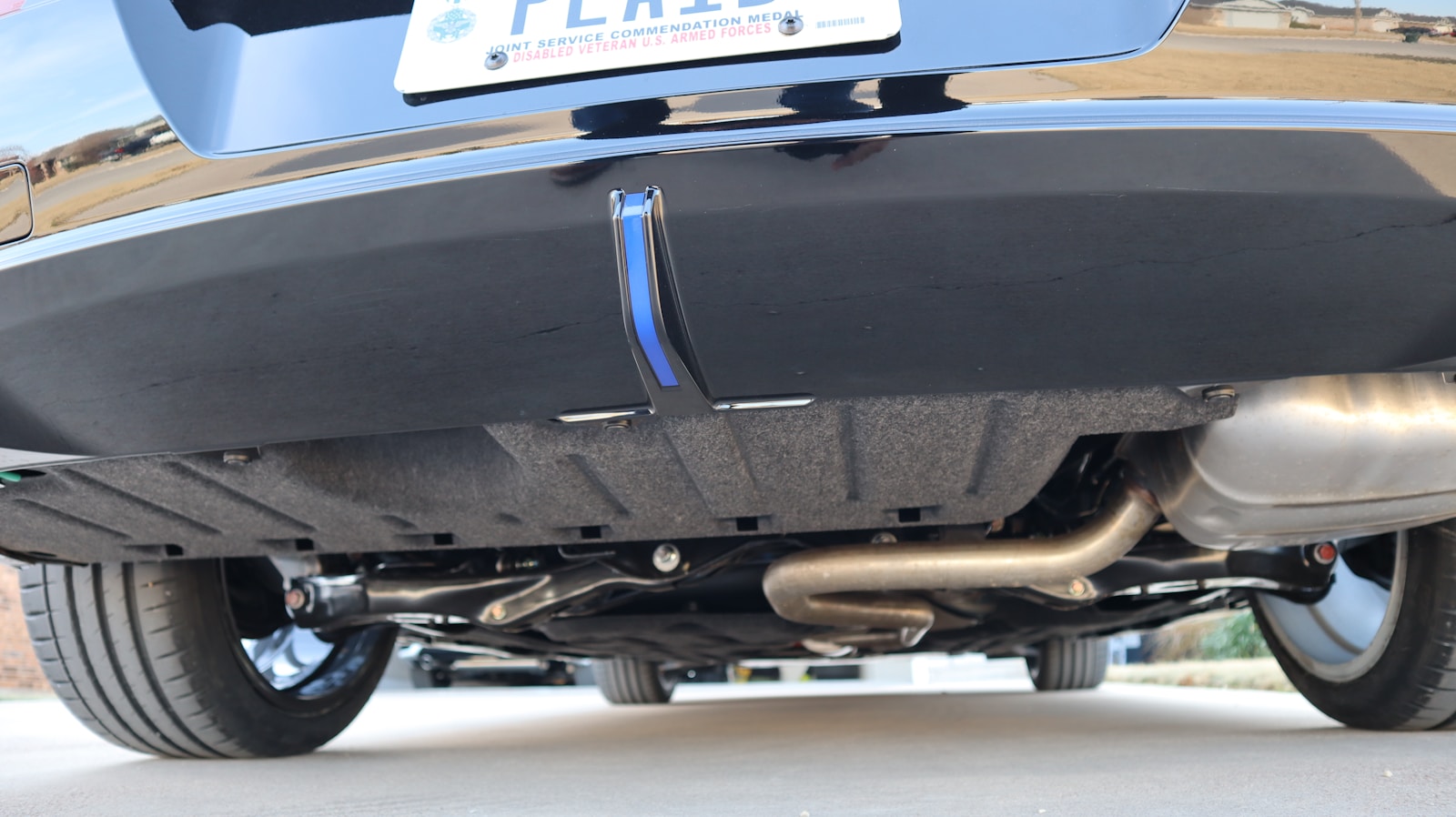

Straight-piping promises raw sound and a shot of performance, but it also drags you into a thicket of legal, financial, and everyday usability problems. When you strip your exhaust down to bare pipe, you are not just changing the tone of your car, you are removing emissions hardware, altering how the engine breathes, and inviting attention from police, inspectors, and neighbors. Before you cut the mufflers off your daily driver, you need a clear view of what you gain and what you give up.
On a track-only build, a Straight Pipe Exhaust System can make sense as a focused tool. On a Street Car that has to pass inspections, survive long commutes, and coexist with Local Ordinances In busy neighborhoods, the same setup can turn into a constant headache. The tradeoffs are serious enough that you should weigh them like any other major modification, not just as a quick route to louder noise.
What “straight-piping” actually does to your exhaust
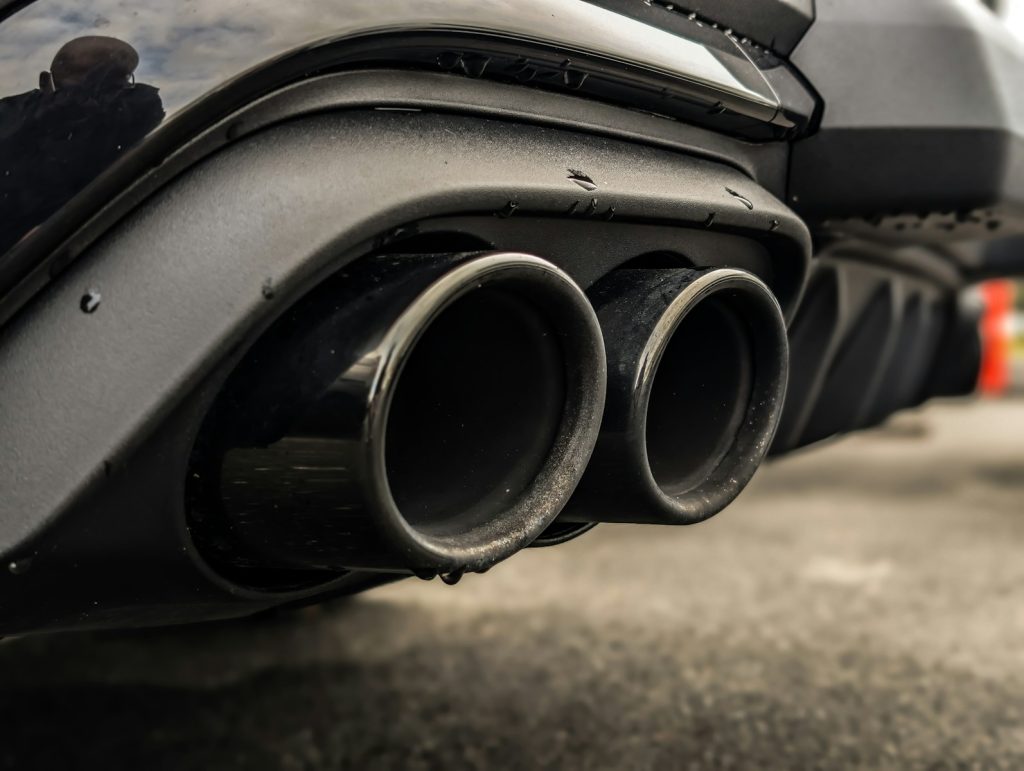
When you straight-pipe a car, you are replacing the factory exhaust with a continuous, hollow tube that runs from the exhaust manifold or headers to the tailpipe, usually without catalytic converters, resonators, or mufflers. A detailed guide explains that a straight pipe exhaust is exactly what the name suggests, a custom-made pipe that lets gases flow freely from the engine to the tail. That simplicity is the appeal, but it also means you are removing the engineered restrictions and sound control that manufacturers build in for a reason.
On modern engines, the exhaust is part of a tightly calibrated system that includes oxygen sensors, catalytic converters, and sometimes active valves. When you delete those pieces, you change backpressure, alter exhaust gas velocity, and potentially confuse the sensors that feed data to the engine control unit. Technical explainers on Straight Pipe Exhaust System setups note that even a simple muffler delete can affect how sensors and emissions equipment work, and a full straight pipe goes further by removing more of that hardware entirely.
Why race cars run Straight Pipe Exhausts and street cars usually should not
On a closed circuit, the priorities are different. Straight Pipes in Race Cars are common because teams want maximum flow, minimal weight, and a clear way to hear what the engine is doing at the limit. Guides to Straight Pipe Exhausts point out that Race Cars are the natural home for these systems, while Street Cars are designed around emissions rules, noise caps, and long-term durability. Some racing venues still impose noise regulations, but they are usually more tolerant of aggressive exhausts than public roads.
On the street, you have to live with the car every day, not just for a 20 minute session. A European overview of Straight Pipes notes that Race Cars can accept an aggressive sound and harsher manners because they are not commuting through traffic or idling in school zones. When you bolt the same kind of Straight Pipe Exhaust System onto a Street Car, you import all the compromises of a race setup into a world of speed limits, neighbors, and police patrols that are not impressed by track-style theatrics.
The sound: thrilling on throttle, exhausting everywhere else
The main reason you might consider straight-piping is the sound. Removing mufflers and resonators unleashes a sharper, more aggressive exhaust note that many enthusiasts crave, especially on Modern muscle and sports cars that already have strong engines. A shop that regularly sees straight pipe exhaust and muffler deletes reports that Modern V8 coupes, turbocharged imports, and lifted trucks are frequent candidates, precisely because owners want that raw bark every time they hit the throttle.
That same volume quickly becomes a liability when you are not in the mood. A detailed breakdown of straight-piping warns that, besides attracting fines and legal penalties, a loud car is not exactly daily-driver material, and that Besides the legal risk, the constant drone can be tiring. Over longer drives, the booming resonance inside the cabin can cause headaches, make conversations difficult, and turn what should be a relaxed highway cruise into something you endure rather than enjoy.
Performance gains are real, but not always the way you expect
From a pure airflow perspective, a straight pipe can reduce backpressure and help an engine breathe more freely at high rpm. Tuning specialists note that While the straight pipes reduce backpressure and can unlock horsepower, the gains depend heavily on whether the rest of the setup, including the tune, is tailored to specific vehicle dynamics. On a turbocharged engine, freeing up the exhaust can help the turbo spool more efficiently, but only if the fueling and ignition maps are adjusted to match.
There is also a point where less backpressure does not equal better performance. A performance analysis notes that the straight pipe exhaust system can reach the highest horsepower in ideal conditions, but that Overall the excessive emissions and noise make it impractical for most street use. Other coverage warns that straight pipes are durable and simple, yet they can also lead to worse fuel economy and poor overall performance if the engine loses low-end torque or the tune is not corrected, which is why some drivers start missing their stock mufflers after the novelty wears off.
Legal and environmental consequences you cannot ignore
Once you remove catalytic converters, you are not just making a style choice, you are breaking federal law in the United States. A detailed explainer notes that The EPA strictly prohibits removing catalytic converters under the Clean Air Act, which classifies that kind of tampering as illegal regardless of state inspection rules. That means a straight-piped car that vents exhaust through a single, unfiltered pipe is not just loud, it is emitting more pollutants than the law allows.
State and local rules layer on top of that federal baseline. A U.S. exhaust law guide that asks Is Straight Pipe Legal in different regions points out that some areas of Texas, especially rural counties or smaller cities, do not mandate emissions testing, but that does not override the federal ban on removing catalytic converters. Another tuning overview flags Legal and Environmental Concerns, noting that while straight pipes reduce backpressure, they also increase noise and emissions in ways that can trigger fines, inspection failures, and environmental penalties.
Noise tickets, inspections, and how cities actually enforce the rules
Even if you manage to pass an emissions check, the sound alone can get you pulled over. Traffic attorneys in New York explain that Local Ordinances In addition to state laws set specific decibel limits and time-of-day restrictions, and violations can lead to both fines and equipment citations that require you to fix the exhaust. Similar patterns show up in other dense cities, where police respond to noise complaints from residents who are tired of straight-piped cars echoing through residential streets late at night.
Manufacturers and dealers are aware of these constraints. One dealership information sheet explicitly warns, in all caps, do not use certain exhaust options for vehicles that will be registered in California, Colorado, Connecticut, Delaware, Maryland, Massachusetts, and that the same package is not available in Maine or Vermont because of emissions requirements, a restriction spelled out in a California, Colorado, Connecticut, Delaware, Maryland, Massachusetts notice. If factory performance exhausts are limited in those states, a home-built straight pipe that deletes catalytic converters and mufflers is almost guaranteed to run afoul of local enforcement.
Daily drivability: drone, fumes, and the reality of living with it
On paper, a straight pipe looks like a simple, durable solution with fewer parts to fail. In practice, the day-to-day experience can be rough. Commentaries on straight-piping stress that loud exhausts might sound good on a short blast, but over time the constant volume, harsh tone, and cabin drone make the car feel less refined and more fatiguing, especially on long commutes. One analysis notes that Loud exhausts can also draw unwanted attention from law enforcement and neighbors, which adds stress every time you start the engine early in the morning.
There is also the issue of fumes and smell. With emissions equipment removed or reduced, more unfiltered exhaust can linger around the car at idle, especially in garages or tight parking structures. Australian coverage of straight pipes notes that the cons range from noise concerns to potential legal and environmental issues, and that Let the possible performance compromise and comfort issues sink in before you commit. If you regularly carry passengers or children, the combination of extra noise and stronger exhaust smell can be a significant quality-of-life downgrade.
Cost, resale value, and the risk of doing it wrong
Straight-piping is often marketed as a cheap way to unlock performance, but the full cost picture is more complicated. If you want a properly fabricated system with quality welds, correct pipe diameter, and safe routing around suspension and fuel lines, you are paying for skilled labor as well as materials. If the car then needs a custom tune to avoid check-engine lights or drivability issues, that adds another layer of expense, and any future emissions inspection that you fail can lead to additional repair bills to reinstall compliant hardware.
Resale value is another hidden tradeoff. Many buyers are wary of heavily modified exhausts, especially if they suspect that catalytic converters were removed or that the car has been driven hard. Australian mod guides caution that If you crave the raw power and sound of a high-performance vehicle and are willing to navigate the potential drawbacks, a straight pipe can be a thrilling upgrade, but it is not for everyone. That mismatch means you may have to discount the car or spend money returning it to stock when it is time to sell.
Smarter alternatives if you still want more sound and power
If you are chasing a stronger exhaust note and a bit more performance, there are middle-ground options that avoid the harshest downsides of a full straight pipe. Cat-back systems, axle-back kits, and valved exhausts keep the catalytic converters in place while opening up flow and sound downstream, which helps you stay on the right side of emissions rules. Performance specialists highlight that However loud and powerful a straight pipe might be, a well designed cat-back can deliver a satisfying tone and real gains without the same legal and comfort penalties.
Even within the world of deletes, there are more measured steps. A muffler delete is unlikely to cause the same emissions issues as a full straight pipe, and technical notes on What happens when you remove only the muffler emphasize that sensors and catalytic converters still need to work properly. Australian tuners also warn that there is a possible performance compromise, and that Possible performance compromise can show up if the rest of the system is not designed to accommodate this type of exhaust. If you want the drama of a race car without sacrificing legality and livability, a carefully chosen aftermarket system is usually a better bet than a bare, unfiltered pipe.
More from Wilder Media Group: